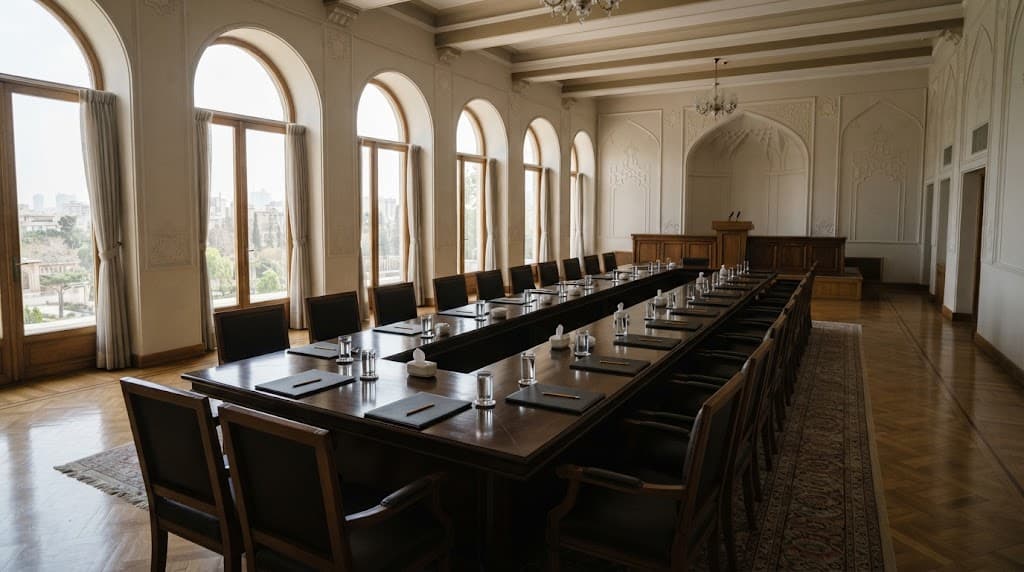
Saudi Arabia’s Council of Ministers on Tuesday reiterated the Kingdom’s commitment to regional de-escalation and voiced firm support for mediation efforts led by Qatar and Pakistan. Crown Prince and Prime Minister Mohammed bin Salman chaired the Cabinet meeting in Riyadh.
Ministers reviewed Monday’s discussions between states party to the Makkah Joint Defense Agreement—Saudi Arabia, Turkiye and Pakistan—and senior Iranian officials. The Cabinet underlined Saudi Arabia’s interest in regional and international security and the role of Makkah Agreement partners in that work, while backing peace initiatives aimed at lowering tensions.
What the Riyadh Cabinet emphasised
After the session, Minister of Media Salman Al-Dossary said the Cabinet welcomed the performance of Saudi air defence systems and their success in stopping repeated Houthi militia attempts to strike Makkah, Madinah and other cities and facilities. Ministers condemned those attacks as aggression against the Kingdom’s sovereignty and the sanctity of Islamic holy sites, and as a provocation to Muslims worldwide.
The Council affirmed Saudi Arabia’s right to defend the Two Holy Mosques and their visitors, as well as citizens and residents. At the start of the meeting, the Crown Prince briefed ministers on letters King Salman received from Egyptian President Abdel Fattah El-Sisi and that he himself received from Kazakh President Kassym-Jomart Tokayev.
Other decisions from the session
The Cabinet approved the Commercial Transactions Law. It also endorsed a draft agreement under which holders of diplomatic, special or similar passports could be exempt from entry visas with partner governments, and authorised the foreign minister or a deputy to negotiate and sign such deals.
Iran meeting after the trilateral talks
In Iran, Supreme Leader Mojtaba Khamenei on Tuesday again set out Tehran’s conditions for ending the war with the United States while meeting Supreme National Security Council Secretary Mohsen Rezaee. The encounter—publicly announced as their first—came a day after Rezaee held talks in Iran with senior officials from Saudi Arabia, Turkiye and Pakistan, part of an effort by the three countries to reduce tensions and avert further US-Israeli strikes.
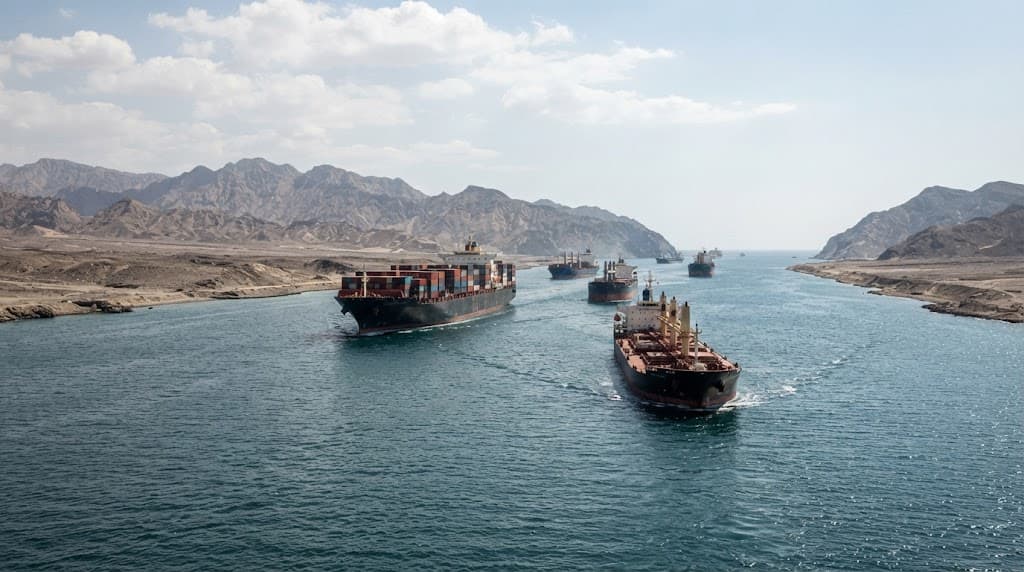
According to a statement from the leader’s office, they discussed strengthening ties with neighbouring states and protecting national and regional security through management of the Strait of Hormuz—the narrow waterway through which much Gulf oil shipping passes. Khamenei stressed safeguarding Iranian interests and what Tehran calls the “resistance front” by meeting conditions Iranian officials have set for ending the conflict. Rezaee briefed him on the domestic situation and steps underway to manage ongoing challenges.
Mojtaba Khamenei was chosen in March to succeed his father, Ayatollah Ali Khamenei, who was killed in US-Israeli strikes on 28 February in central Tehran along with senior military commanders; Mojtaba was said to have been injured in the same attack. He has largely communicated through written messages since taking office, though some Iranian officials have recently reported rare in-person meetings.
Timeline: what has happened so far
- 28 February: Ayatollah Ali Khamenei was killed in US-Israeli strikes in central Tehran; Mojtaba Khamenei was said to have been injured in the same attack.
- March: Mojtaba Khamenei was chosen as supreme leader and has since communicated mainly through written messages.
- Monday: Senior officials from Saudi Arabia, Turkiye and Pakistan—partners under the Makkah Joint Defense Agreement—held talks with Iranian officials.
- Tuesday: Saudi Arabia’s Cabinet, chaired by Mohammed bin Salman, backed Qatar and Pakistan mediation and reviewed those talks; Mojtaba Khamenei met Mohsen Rezaee and restated conditions for ending the war with the United States.
Aasan alfaaz mein
Saudi Arab ki Cabinet ne Qatar aur Pakistan ki sulah ki koshishon ka saath diya hai. Is se pehle Saudi Arab, Turkiye aur Pakistan ke numaindon ne Iran ke saath baat cheet ki. Riyadh ne kaha ke ilaqe mein tanao kam hona chahiye. Aam logon ke liye yeh is liye ahim hai ke Gulf ki surakhi aur Hormuz jaise raston ka amn Pakistan ki energy aur Safar dono se judta hai.