OpenAI is considering calling its large computing facilities AI compute campuses instead of data centers, a shift its chief global affairs officer, Chris Lehane, has discussed as part of a wider effort to reshape how the public talks about artificial intelligence infrastructure.
Lehane framed the idea within a planned public-affairs drive after the US midterm elections. He described those contests as “a bit of a movie trailer for what you’re going to see in 2028,” when he expects AI to be “the issue” in the US presidential race. For readers in Pakistan, the debate matters because naming, local consent and global rules around AI infrastructure increasingly travel with the technology itself.
Why OpenAI wants a new label
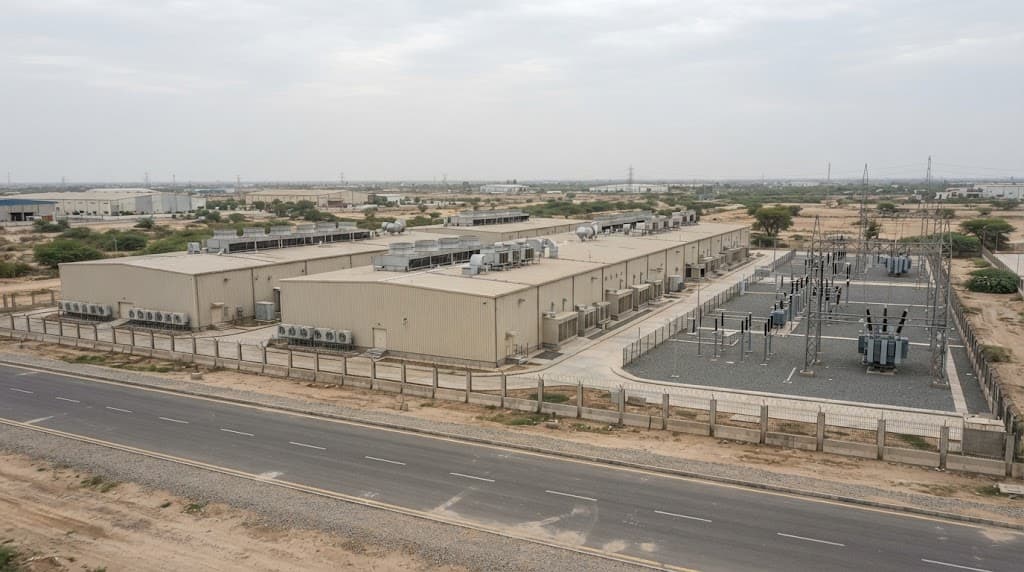
Data centers—the warehouses of servers that train and run AI models—have become politically sensitive in many places where they are proposed. Lehane treated the renaming as one tool among several to influence that conversation. The phrase AI compute campuses is meant to sound less like an industrial shed and more like a place of productive technology work, though the underlying facilities would still house dense computing hardware.
He also talked about developing AI “speed limits”—rules or norms that would slow or govern how fast certain AI capabilities roll out—and about helping people experience AI as something that strengthens their everyday work and life. He argued the United States should take a leading role in writing global standards for the sector.
Local pushback and company accountability
Lehane called the public argument over data centers “good and healthy.” He said communities should hold companies “responsible and accountable so they really and truly get a transformative benefit from these projects.” That stance sits alongside a wider industry shift: Amazon and Microsoft have said they will stop using nondisclosure agreements (NDAs)—secrecy clauses—when they negotiate such projects with local governments, after similar community debates.
None of those points amounts to a finished building plan or a confirmed new brand across every OpenAI site. What is clear from Lehane’s remarks is that OpenAI wants the politics of AI, not only the products, on its agenda after the midterms and into the next US election cycle.
What to watch next
If OpenAI proceeds, expect more messaging that packages facilities as AI compute campuses and more talk of guardrails such as “speed limits” and international standards. Pakistani policymakers, students and tech workers should watch whether those frames—and the demand for local benefit—shape how AI infrastructure is pitched in South Asia as global AI computing companies expand.
Aasan alfaaz mein
OpenAI apne bade computer centers ko ab “AI compute campuses” kehne ka soch raha hai. Company ka maqsad yeh hai ke log in projects ko kam dar aur zyada faida-mand samjhein. America ke midterm elections ke baad yeh message tez hone wala hai. Pakistan mein bhi AI ke bade centers ki baat aaye to naam ke peeche asl sawal yehi rahega: bijli, paani, jobs aur local faida kya mil raha hai.