Tehran thanks Islamabad and Doha
Iranian Foreign Minister Seyed Abbas Araghchi has publicly thanked Pakistan and Qatar for trying to calm the confrontation with Washington that began in February. Speaking on Saturday, he said Tehran had reviewed a message from US Vice President JD Vance and spelled out what must happen before serious bargaining can restart.
Iranian negotiators met Qatari facilitators in Doha the same day. Pakistan’s military chief also made two trips to Tehran within the month to discuss regional calm with Iranian and other defence officials. Regional capitals are pressing for a pause after US midterm voting that will decide whether Republicans keep slim control of both houses of Congress.
What Tehran wants before talks widen
Araghchi tied progress to several steps: remove sanctions, unlock frozen Iranian funds, shrink the American military footprint nearby, and stop fighting on every front, Lebanon included. He framed a Hormuz waterway plan as the only full proposal now under discussion, arguing that safer shipping could open the door to broader talks with the United States.
Washington, by contrast, wants Iran’s nuclear file on the table from day one. Tehran says the first phase should secure the waterway and only then move to nuclear ideas that mediators have already tabled and that Iranian officials say they are studying.
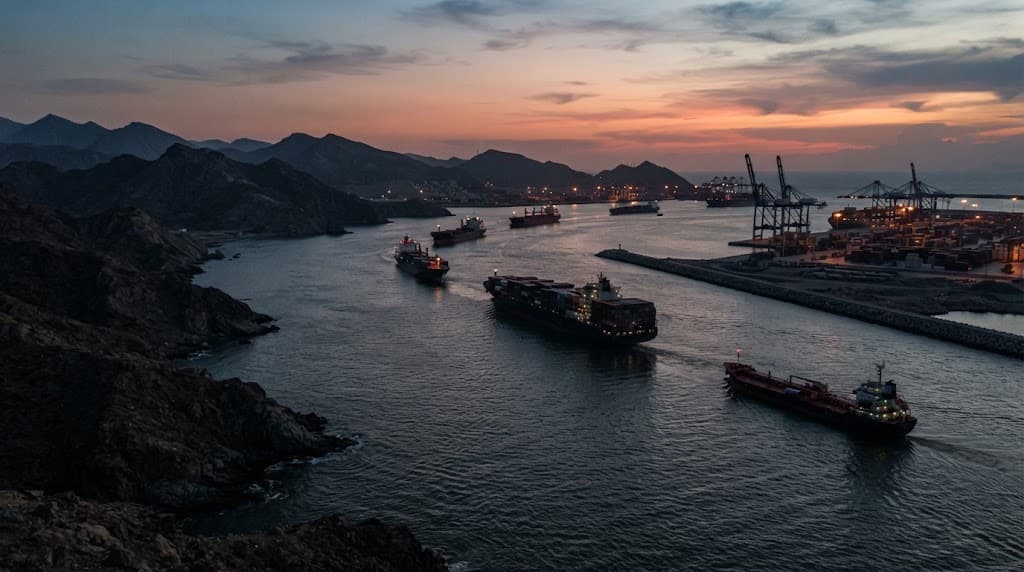
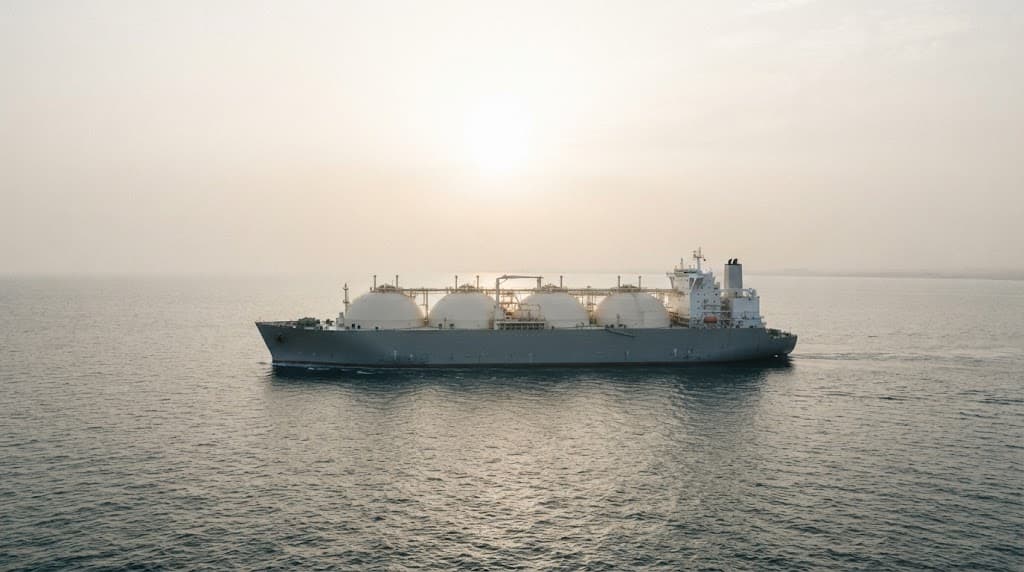
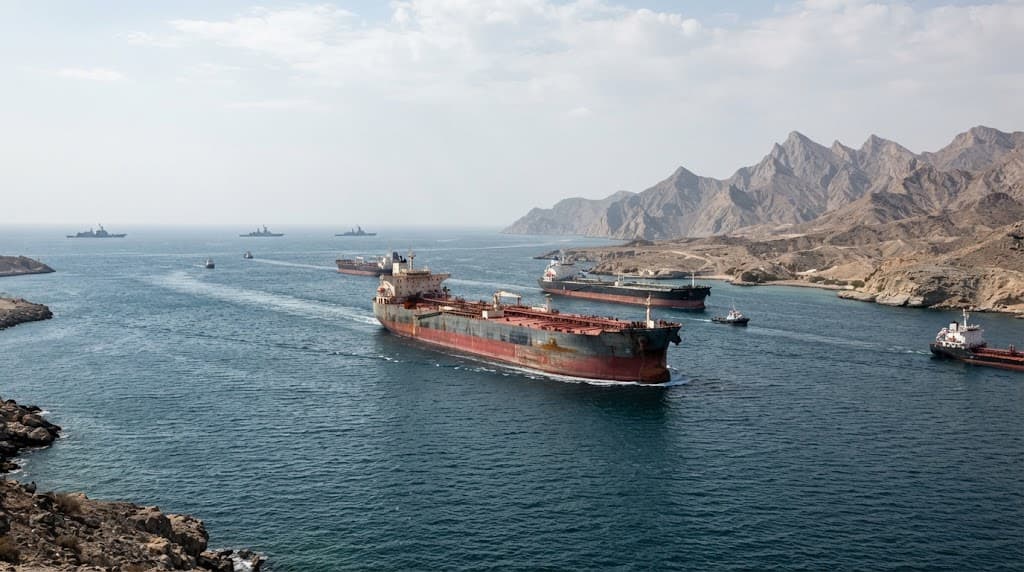
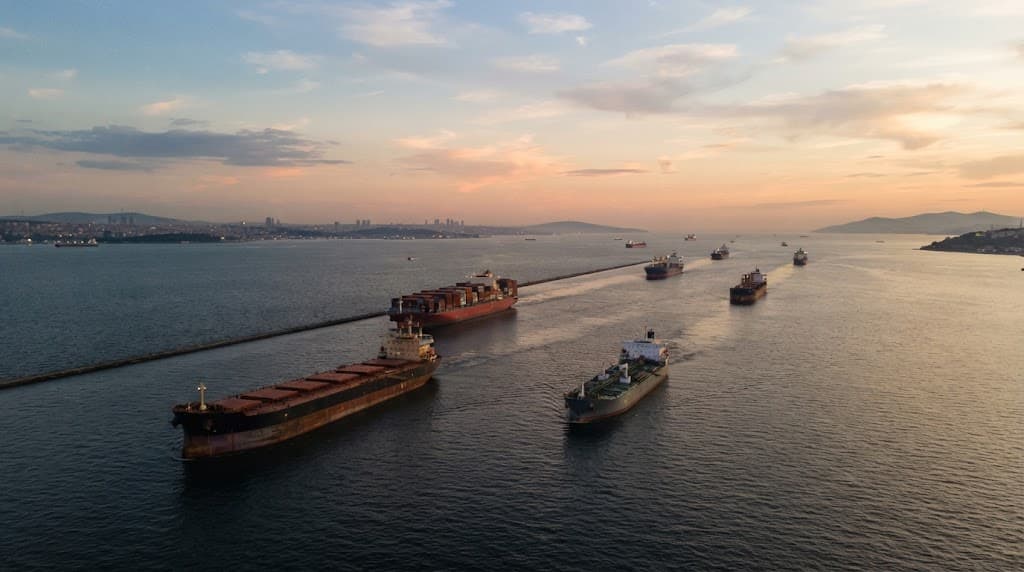
On shipping, Araghchi said Iran wants formal recognition of a new lane developed with Oman inside the strait, with other lanes closed. Before the fighting, that passage moved roughly a fifth of the world’s oil and LNG trade, so any lasting closure or clash there hits energy markets far beyond the Gulf. Iran has targeted commercial ships in the waterway since February, sharply limiting traffic.
Force posture and the US choice
US Secretary of State Marco Rubio said on Saturday that President Donald Trump has still not chosen whether to order new strikes, though he favours a diplomatic path. Trump has held off further attacks in recent weeks while midterm campaigns ran.
Araghchi did not dismiss another round of war. He said Iran has modernised arms, trialled new systems and keeps its forces on a high war footing. Supreme Leader Ayatollah Mojtaba Khamenei ordered the military on Saturday to stay ready to answer any assault; the armed forces then said they were tightening combat posture. Tehran has previously warned that a fresh attack would draw replies against US and Israeli sites in neighbouring states. Gulf governments worry such a cycle could restart once American voting ends.
Timeline: what has happened so far
- February: The US–Iran confrontation began; Iran started firing on commercial ships in the Hormuz waterway, and Pakistan and Qatar moved into mediation.
- This month: Pakistan’s military chief travelled to Tehran twice for peace-related talks with Iranian and regional defence officials.
- Saturday: Araghchi spoke publicly after reviewing Vance’s letter; Iranian negotiators met Qatari mediators in Doha; Khamenei ordered readiness; Rubio said Trump still prefers talks but has not decided on strikes.
- This week: US midterm elections decide whether Republicans keep narrow majorities in both chambers of Congress.
Aasan alfaaz mein
Iran ke foreign minister ne Pakistan aur Qatar ka shukriya ada kiya ke woh America ke saath fasad suljhane ki koshish kar rahe hain. Tehran kehti hai pehle sanctions hatain, paise azad hon aur Hormuz ka naya shipping rasta manzoor ho. America abhi faisla nahi kar raha ke dobara hamla kare ya baat cheet chalaye. Is se petrol, gas aur Gulf ki security Pakistan ke liye bhi mehengi ya sasti ho sakti hai.