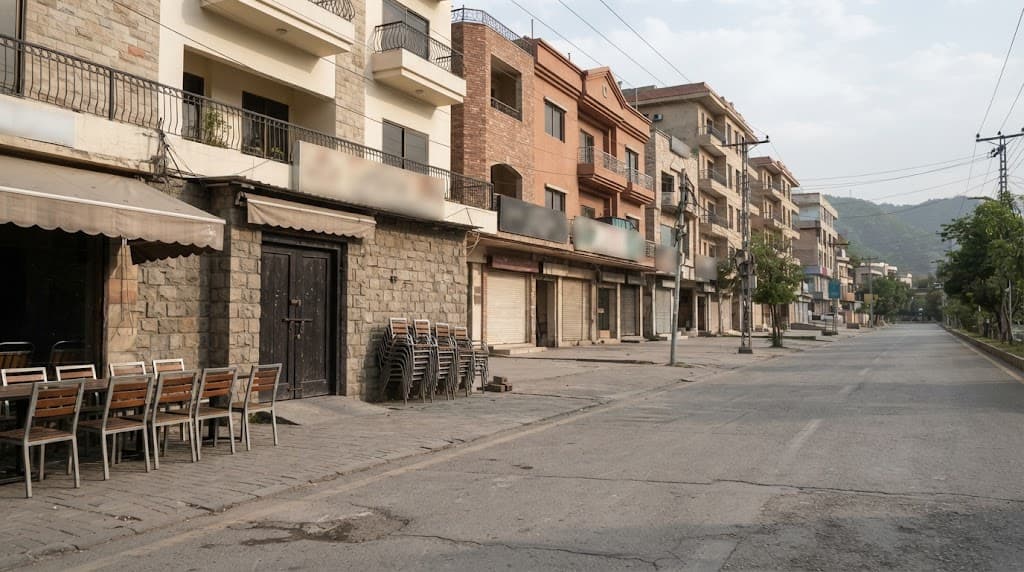
Parliament has sharply raised Islamabad hotel fines for hotels and restaurants in the capital. The National Assembly has passed the Pakistan Hotels and Restaurants (Amendment) Bill, 2026, after the Senate approved the same measure on 10 June 2026. The changes amend the Pakistan Hotels and Restaurants Act, 1976 only for the Islamabad Capital Territory (ICT), the federal capital zone, and do not apply to the rest of the country.
Lawmakers framed the update as a way to modernise a decades-old statute, strengthen the regulator’s hand and make non-compliance more costly for the hospitality trade.
How much the penalties rise
The steepest jump hits owners who miss the deadline to seek registration. The maximum fine for that offence moves from Rs5,000 to Rs250,000—fifty times the previous ceiling. If the failure continues, the daily fine climbs from Rs1,000 to Rs10,000.
Other Islamabad hotel fines are also lifted. Serving harmful or contaminated food, or using contaminated utensils, now carries a maximum of Rs10,000 instead of Rs1,000. The same new ceiling applies to ignoring an order or direction under the law, and to charging above approved fair rates on a first offence. A later overcharging offence can draw up to Rs20,000, up from Rs2,000.
An unregistered restaurant that fails to follow a directive faces up to Rs125,000, versus Rs5,000 before. Improper advertising or misuse of a star sign by an unlicensed hotel or restaurant rises from Rs1,000 to Rs10,000, with a continuing daily fine of up to Rs2,000 instead of Rs200. Future increases may be tied to the Consumer Price Index (CPI)—a standard measure of inflation—under rules still to be prescribed.
Who now comes under the law
The bill also rewrites who counts as a hotel. The old threshold was at least ten lettable bedrooms; that now falls to five. Smaller guesthouses and lodging businesses in Islamabad that sat outside the old definition may therefore need registration and will face the higher Islamabad hotel charges regime if they breach the rules.
Registration checks will also weigh environmental hazards and earthquake risk alongside existing factors. The statement of objects and reasons says the aim is to refresh regulatory authority and reset penalties. The Senate Standing Committee had earlier argued that tougher fines would strengthen deterrence and compliance in tourism and hospitality.
Enforcement and what comes next
Enforcers gain an explicit power to seal premises through departmental staff, backed by the local administration and police. Operators in the capital will need to check registration status, food-safety practice, advertised star ratings and any approved rate lists. Outside Islamabad, the 1976 Act’s previous penalty levels remain unless provincial or other laws are changed separately.
Aasan alfaaz mein
Islamabad ke hotels aur restaurants par jurmane bohot barha diye gaye hain. Registration na karane par ab pachas hazaar ke bajaye dhai lakh rupay tak jurmana ho sakta hai. Paanch kamron wale chhote hotels bhi ab qanoon ke daire mein aa sakte hain. Yeh tabdeeli sirf Islamabad Capital Territory ke liye hai, poore Pakistan ke liye nahi.