What LPG prices in Pakistan today look like
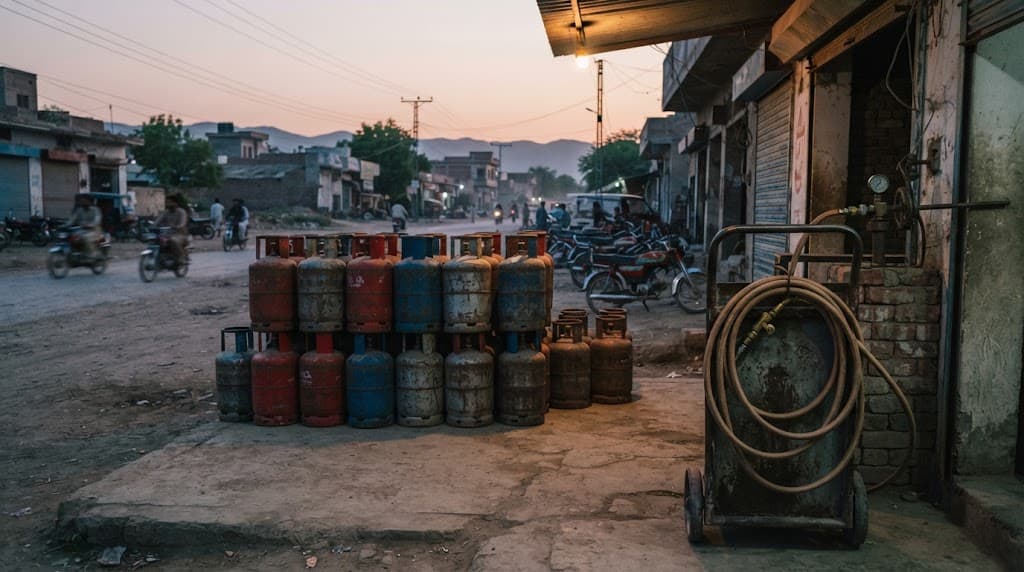
LPG prices in Pakistan today sit under fresh strain after Iranian financier Babak Zanjani claimed on X on the evening of 25 October that liquefied petroleum gas once bound for the country had been redirected and that cylinder rates could climb by about 30%. He said an 11.8kg bottle would move from Rs10,000 to Rs13,000 (roughly $47) the following day, so households would “feel the power of Iranian traders” and Islamabad would think twice before sealing the frontier again.
He framed the step as pushback against what he called “months of harassment and pressure” under an “American military government.” Market actors still quote lower street levels than his starting figure, but the warning lands on a market already short of Iranian volume.
Supply diversion and the Oman cargoes
Zanjani said large numbers of LPG tank containers linked to his Dot One network had been steered toward Tajikistan, Afghanistan, China, Uzbekistan, Kazakhstan and Turkey. He tied that shift to Pakistan’s message that a pair of loads purchased in Oman had reached port and were expected to ease the market.
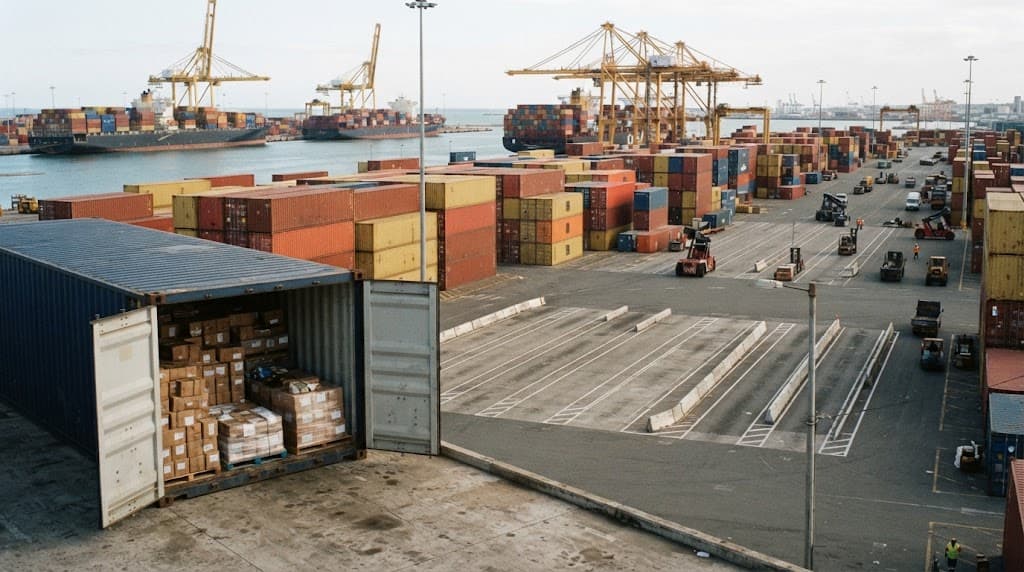
Those Oman-origin consignments at Port Qasim held roughly 7,333 tonnes, market sources say—about equal to one day’s Iranian inflow. The Pakistan LPG Association puts daily imports from Iran near 7,000 tonnes, so any sustained cut in that stream would matter quickly for LPG prices in Pakistan.
Independent confirmation of the diversion claims was not available, and what share of border LPG commerce his firms control remains unclear.
Border closure and early price moves
On 17 October, authorities shut Gabd-Rimdan and Taftan, the land routes linking Balochistan with Iran, after American urging to curb commerce with Tehran. Balochistan officials pointed to security concerns and illicit trade; Iran’s foreign ministry spoke of technical problems.
Within days, traders said a 12kg bottle in Balochistan moved from about Rs4,500 to near Rs7,000, while Skardu quotes sat near Rs8,200—still under the Rs10,000 floor Zanjani used. Islamabad has also treated Iranian territory as a path north for Central Asian transit, which adds weight to any prolonged frontier disruption.
Washington has pressed his network this year. On 24 July the US State Department listed four people and nine firms tied to him, accusing the group of aiding sanctions evasion and funding for Iran’s Islamic Revolutionary Guard Corps. He replied that rivals were united only in attacking Dot One.
Timeline: what has happened so far
- 24 July: The US State Department lists four individuals and nine entities linked to Zanjani’s network.
- 17 October: Pakistan closes the Gabd-Rimdan and Taftan crossings with Iran.
- Mid-to-late October: Traders report sharp rises for 12kg cylinders in Balochistan and Skardu; Oman-origin cargoes of about 7,333 tonnes reach Port Qasim.
- 25 October (evening): Zanjani posts that Dot One LPG tankers were redirected and forecasts a roughly 30% cylinder-price jump to Rs13,000 for 11.8kg.
Aasan alfaaz mein
Iran ke ek trader ne kaha hai ke Pakistan ke liye LPG ke tankers doosri mulkon ko bhej diye gaye hain. Woh kehta hai ke 11.8kg cylinder kal Rs13,000 tak ja sakta hai—lagbhag 30% zyada. Border band hone ke baad Balochistan aur Skardu mein rates pehle hi upar ja chuke hain. Ghar mein cylinder use karne walon ko yeh mehngai seedha bill par asar de sakti hai.