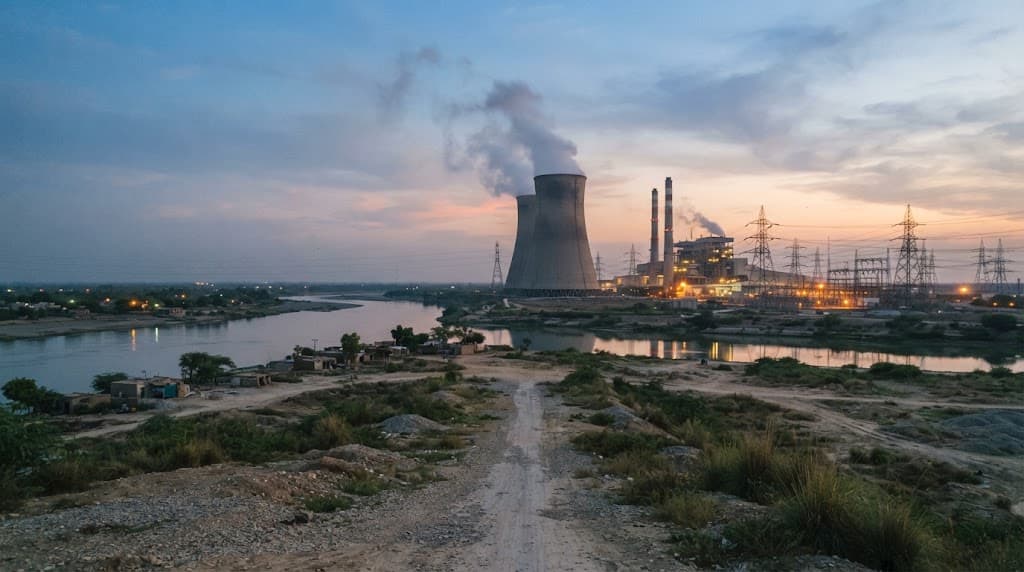
The rising cost of power generation in Pakistan is outpacing the recovery in electricity output. In September, the system generated 12.76 billion units—up 4.4 percent from a year earlier—yet a nearly 44 percent jump in overall fuel cost pushed the month’s fuel cost adjustment (FCA) request to Rs2.56 per unit, the highest sought since June 2024.
On a 12-month rolling basis, generation growth remains only about 3 percent. Much of the fresh demand is believed to come from industry drawing on the government’s incremental consumption package, while many households are still shifting daytime use toward rooftop solar, even as that uptake appears to be slowing.
Costly shift in the fuel mix
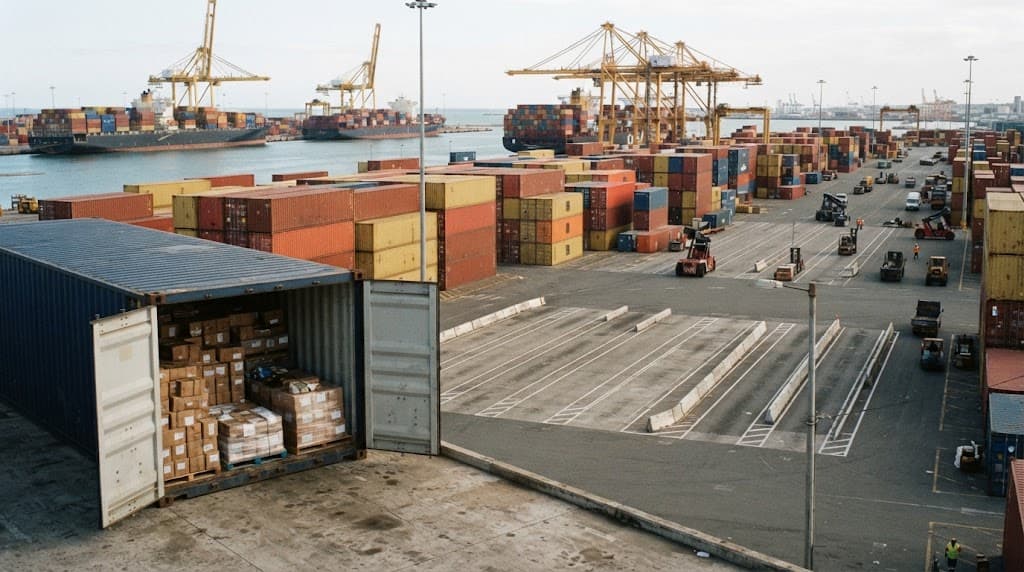
The Pakistan power generation mix in September leaned more heavily on expensive thermal options. Imported coal produced 2.15 billion units—more than twice the level a year earlier—at around Rs17.2 per unit. That remains far cheaper than oil-based power, but the volume points to growing reliance on imported coal when other fuels fall short.
RLNG-based generation more than halved year on year to 800 million units. Power from RLNG cost about Rs40 per unit, almost double the rate a year earlier, as limited cargoes and high international prices constrained a fuel that usually gives the grid flexibility. Nuclear plants also stayed below potential because of delays and technical problems at individual sites, so the system turned more often to other thermal sources even as hydel offered seasonal support.
Diesel returns at the margin
September’s sharpest signal was high-speed diesel (HSD) generation, which reached its highest level since February 2022. At about Rs62 per unit, HSD was the most expensive fuel source in the recorded data. Total generation was broadly in line with the reference level, but imported coal ran well above that benchmark while RLNG stayed sharply below it—so meeting roughly the expected volume of demand still came at a much higher cost.
The FCA request of Rs2.56 per unit reflects that gap. The regulator’s final allowance is expected to be lower, though it could still approach Rs2 per unit. For bill payers, that adjustment sits on top of base tariffs and feeds directly into the monthly Pakistan electricity bill when it is applied.
Winter may not fix the fuel problem
Cooling demand usually eases in winter, which should reduce pressure on the grid. It will not automatically restore a cheap fuel stack: domestic gas will face competing uses, expensive imported fuel may still be needed, and nuclear availability plus the timing of hydel inflows will matter. Solar continues to cut daytime grid use, but the system must still balance evenings and seasons with thermal plants when sunlight fades.
The rising cost of power generation in Pakistan therefore matters even when total units grow only modestly. September shows how a thin supply of lower-cost fuels can turn a small recovery in output into a disproportionately large rise in fuel charges.
Timeline: what has happened so far
- February 2022: Last previous peak in HSD-based generation before September’s surge.
- June 2024: Benchmark month for the last FCA request as high as September’s Rs2.56 per unit ask.
- September (latest data): Generation at 12.76 billion units (+4.4% year on year); imported coal at 2.15 billion units; RLNG at 800 million units; overall fuel cost up nearly 44%; FCA request Rs2.56 per unit.
- Coming winter: Lower cooling load expected, but fuel constraints, gas competition, and nuclear and hydel timing may keep costs elevated.
Aasan alfaaz mein
Pakistan mein bijli ki production thori barhi hai, lekin usay banane ka kharcha bohot tez barh gaya hai. September mein mehangi imported coal aur diesel zyada istemal hui, aur sasti RLNG kam mili. Is wajah se fuel cost adjustment ki darkhwast Rs2.56 per unit tak pohonch gai. Bill par asar tab hoga jab regulator final rate tay kare—mumkin hai yeh Rs2 ke qareeb rahe.