Local supply share
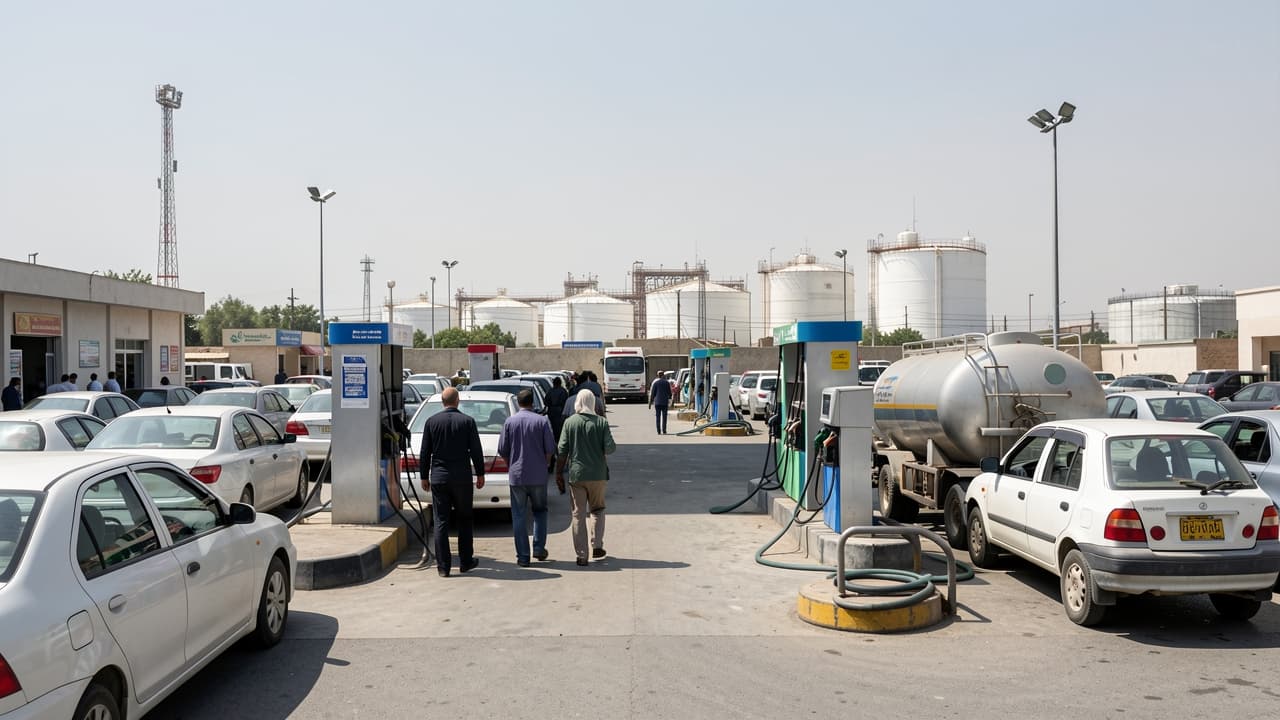
Petrol demand in Pakistan is filled at home only in part. Petroleum Minister Ali Pervez Malik told the Senate on Thursday that plants operating inside the country cover roughly three to four litres in every ten of national petrol needs, while overseas cargoes close the gap.
He was answering questions in the upper house. The minister framed the mix as routine: domestic refining matters, yet imports remain essential for the volumes households and transporters burn each day.
Crude output and plant capacity
Homegrown crude extraction, he said, runs at about sixty thousand to seventy thousand barrels a day. Processing hardware can take far more—around four hundred and fifty thousand to five hundred thousand barrels daily—so plants also run on crude bought abroad.
That imported feedstock, Malik explained, helps local units keep diesel flowing for the domestic market. He said finished fuels have grown costly and neighbouring plants face their own limits, so bringing in crude for local processing is part of how the government tries to steady supply.
At times of heavy use, he added, some finished product can still arrive via Pakistan State Oil (PSO), the state fuel marketer. The Oil and Gas Regulatory Authority (OGRA)—the body that watches fuel pricing and volumes—checks balance twice each month and buys through open tenders. A full split of pump prices, including taxes and charges, sits on OGRA’s site, he noted.
Levies, policy and Balochistan gas
Under Pakistan’s programme with the International Monetary Fund (IMF)—the global lender that sets fiscal targets—the minister said an Rs80 charge on every litre of petrol and diesel applies as a petroleum levy, with a further Rs5 a litre labelled as climate support. Those receipts go into the federal consolidated fund; he pointed senators to the Finance Ministry for how the money is then allocated.
On modernising plants, he said the refinery policy is being rewritten. Separately, he announced a planned meeting in Quetta the following week with Balochistan’s chief minister on gas availability and slab rules. The province, he said, has about three hundred thousand gas links, of which roughly two hundred and fifty thousand are in Quetta.
Petrol demand in Pakistan therefore sits at the centre of a wider picture: limited local crude, large refining space that needs imported feedstock, and fixed per-litre federal charges that already sit inside every pump price.
Aasan alfaaz mein
Senate mein petroleum minister ne bataya ke desi refineries petrol ki zarurat ka sirf 30 se 40 percent hissa poora karti hain. Baqi petrol bahir se aata hai. Diesel ke liye bhi crude import kiya jata hai taake local plants chalti rahen. Petrol aur diesel par Rs80 petroleum levy aur Rs5 climate charge lagta hai, jo pump price ka hissa hai.