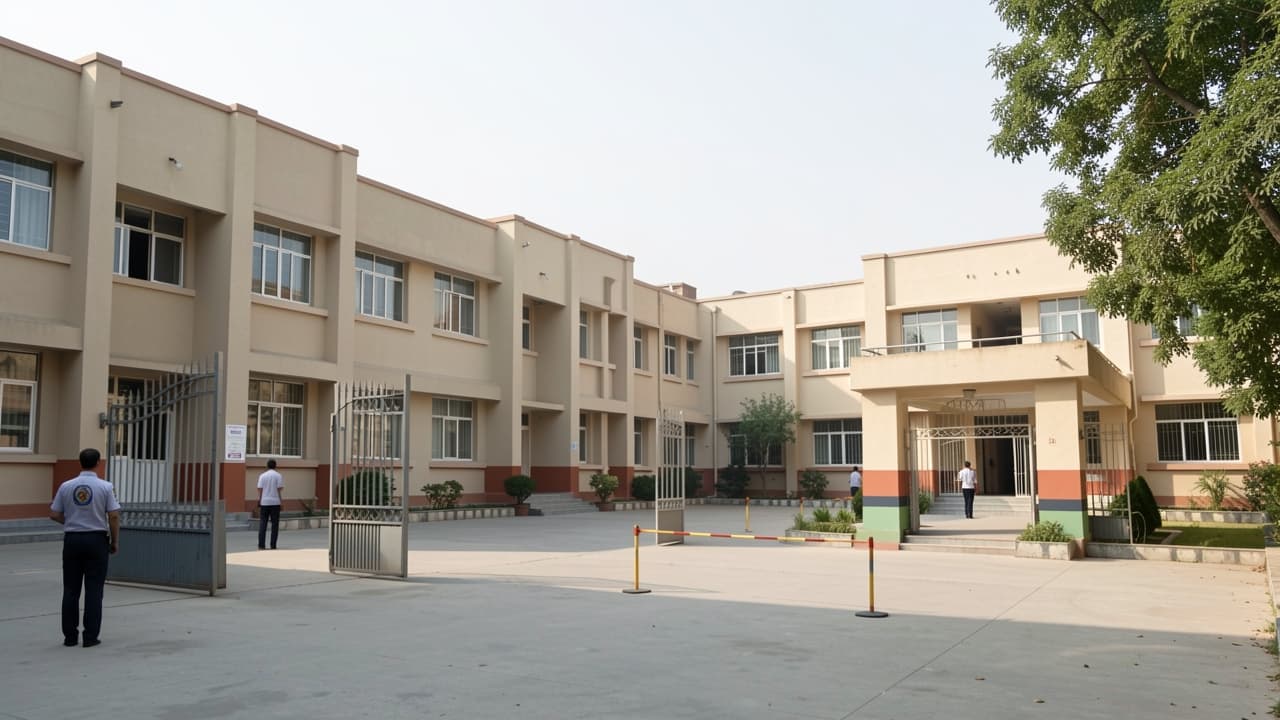
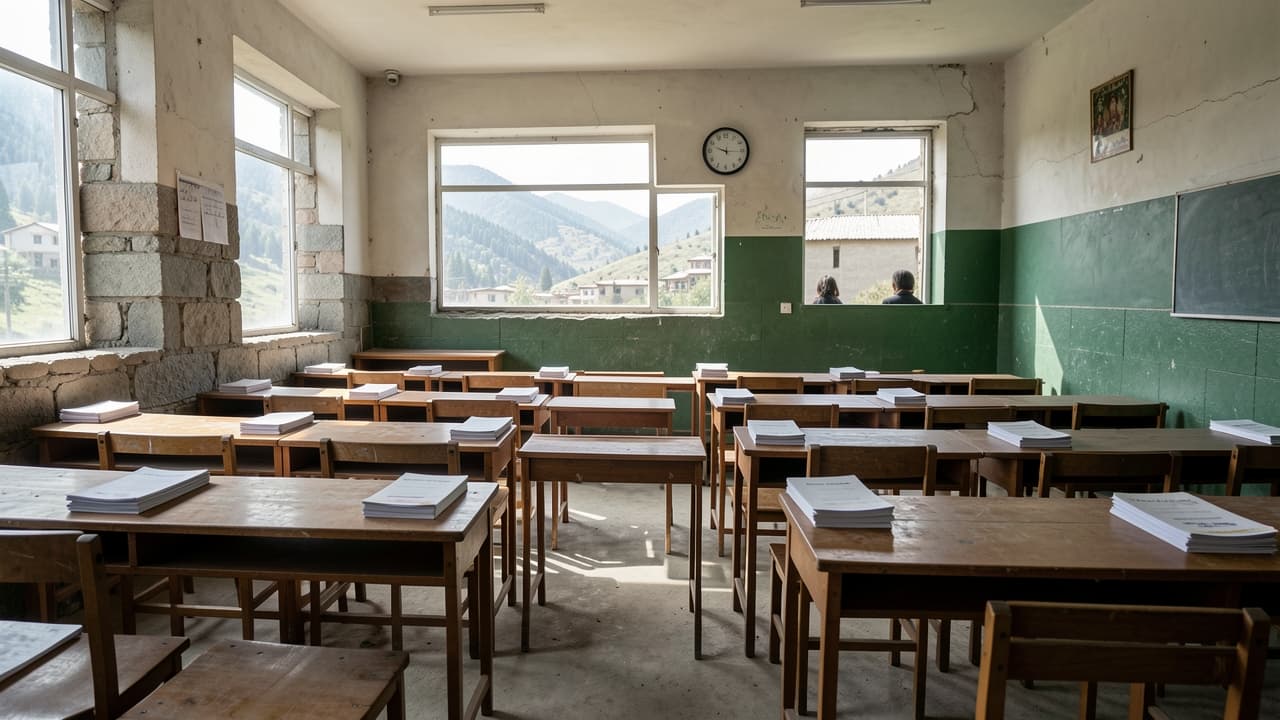
A school on the outskirts of Mirpur, funded largely by donations, is teaching visually impaired children in Azad Jammu and Kashmir without charging fees. AKAB School for the Blind stands on a 100-kanal campus, a kanal being a local unit of land, outside the southern lakeside city. It has 150 boys and girls on its rolls. Prof Mohammad Ilyas Ayub, who received his early education at a school for blind children in Lahore, later opened the region's first school of this kind.
The school provides education, a hostel, food, transport, technology and training. Philanthropists, including members of the Pakistani and Kashmiri diaspora, meet much of the cost. More than 300 children have studied there, and many have gone on to higher education and to work, including teaching.
From one room to a 100-kanal campus
Ayub, now 56, was born blind into an educated Mirpur family and teaches English literature at the town's Government College. In 1994 he and Tariq Awan, a visually impaired educationist from Muzaffarabad, founded the Azad Kashmir Association of the Blind (AKAB) so that people who cannot see could find education, employment and a dignified place in society.
He had studied at a school for blind children in Lahore, graduated from Government College Lahore, and earned master's degrees in English and special education from Punjab University and in Islamic Studies from the University of AJK. He joined the AJK education department as a lecturer in 1997. Three years later he started visually impaired education in the region with one teacher and one student, in a rented room in a commercial plaza in Mirpur.
Government land grants in 2004 and 2008 gave the project land of its own. Philanthropists and the Kashmiri diaspora then paid for purpose-built hostels, classrooms, a library and a computer lab. The campus today is that project, begun in a single room about two and a half decades ago.
What pupils learn, and where they go next
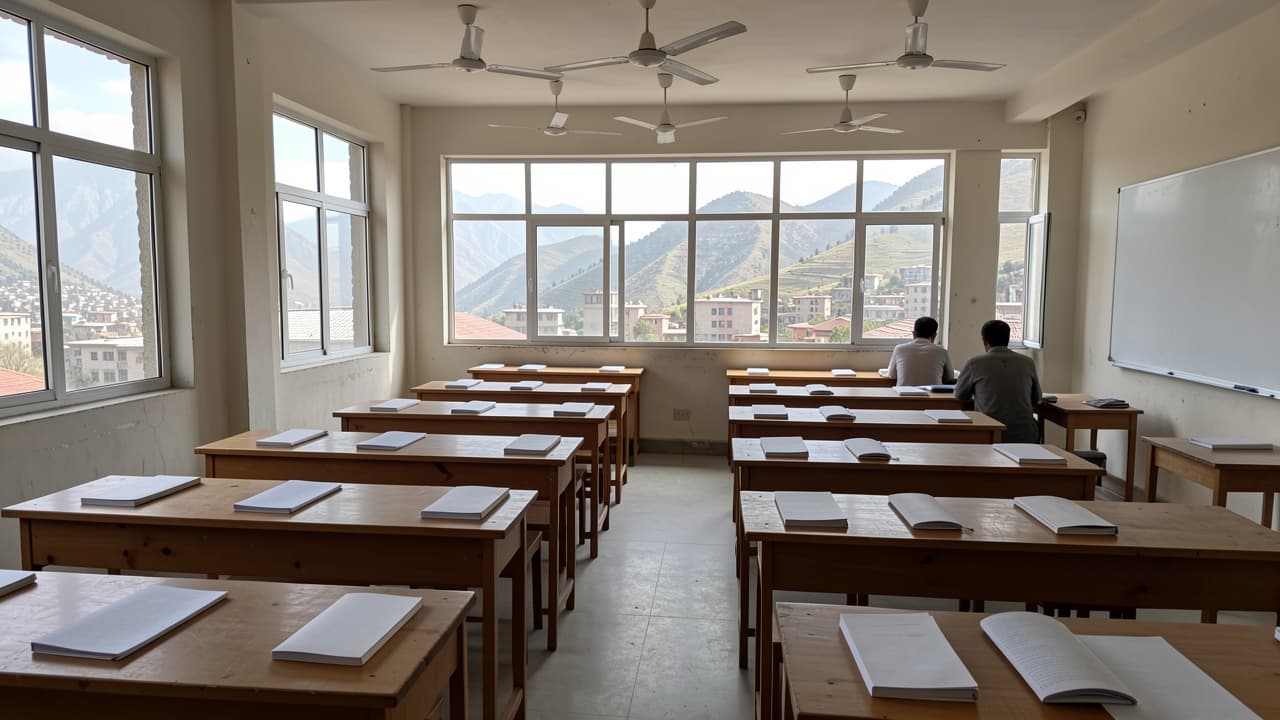
Students learn Braille, a script of raised dots read by touch, and computers. The campus also has modern teaching technology, assistive devices, a Braille printing press, a library, sports facilities and a standard-sized cricket ground. Fifty of the 150 pupils are day scholars. Another 50 former students, now in higher education, still live in the hostel.
Ayub, who received the Tamgha-i-Imtiaz, a national civil award, for his work with the visually impaired community, says the aim is dignity rather than charity. "We want our students to move beyond dependence and become confident, self-reliant and active members of society," he says. The school, he adds, seeks "equal opportunities rather than sympathy".
Former pupils have posted strong results. Junaid Ahmed took the top position in the intermediate board examination, won a scholarship to a US university, and later returned for postgraduate studies at the University of Gujrat. In recent intermediate examinations, two female students scored above 1,000 marks.
Last month the AJK Board of Intermediate and Secondary Education (BISE), which conducts the region's school exams, announced a 100 percent result for the school's 9th grade. Seven alumni have passed Public Service Commission examinations, the tests used to hire for government posts, and took posts as university and college lecturers.
Cricket that reaches the national team
Classes are only part of campus life, and the cricket ground is the heart of sport. Ayub, vice chairman of the Pakistan Blind Cricket Council, has encouraged a sports culture that now reaches the national side. The reigning world champion Pakistan national blind men's cricket team has an AKAB connection through its captain, its head coach and three core players.
Aasan alfaaz mein
Mirpur ke bahar AKAB school mein 150 bachay, jinhen nazar nahi, muft parh rahe hain. Unhein hostel, khana, sawari aur training bhi milti hai. School ke bani ne Lahore mein parhai ki thi aur yahan ek kamre se shuruat ki. Ghar walon ko fees nahi deni parti, aur bachay parhai, naukri aur cricket ki taraf ja sakte hain.