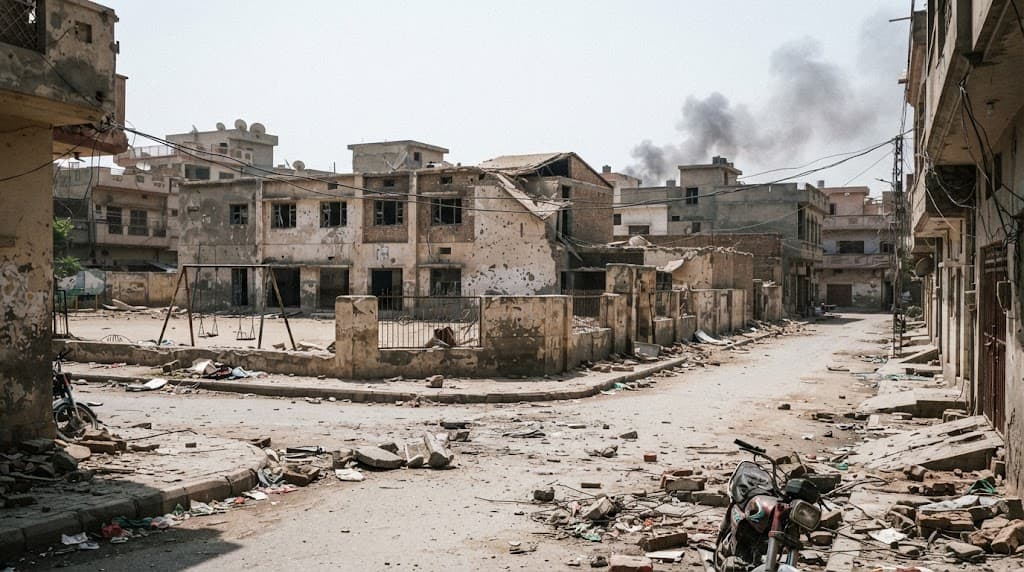
Iran has submitted documents and photographic material to the International Maritime Organisation (IMO) — the United Nations agency that sets global shipping rules — claiming the material shows United States and Israeli attacks on Iranian ports, civilian vessels and other maritime infrastructure. Iranian state media said Tehran also warned that the damage creates serious risks to safe navigation in the Persian Gulf, the Strait of Hormuz and the Sea of Oman.
The filing frames the issue as a regional safety problem, not only a bilateral dispute. Iran argues that harm to the systems that guide ships, and to facilities used for rescue work, could affect crews of many nationalities who sail those waters.
What Iran says is at risk
According to the Iranian account, damage to maritime traffic-control systems could make vessel collisions and secondary accidents more likely. Those systems help ships move safely through busy sea lanes; if they fail or are impaired, the chance of mishaps rises, especially where traffic is dense.
Iran also says the destruction of rescue facilities could weaken emergency response. In practice, that would mean slower or less capable help if a ship is in distress — a risk it says could endanger the lives of foreign seafarers as well as local crews.
Why the Hormuz corridor matters
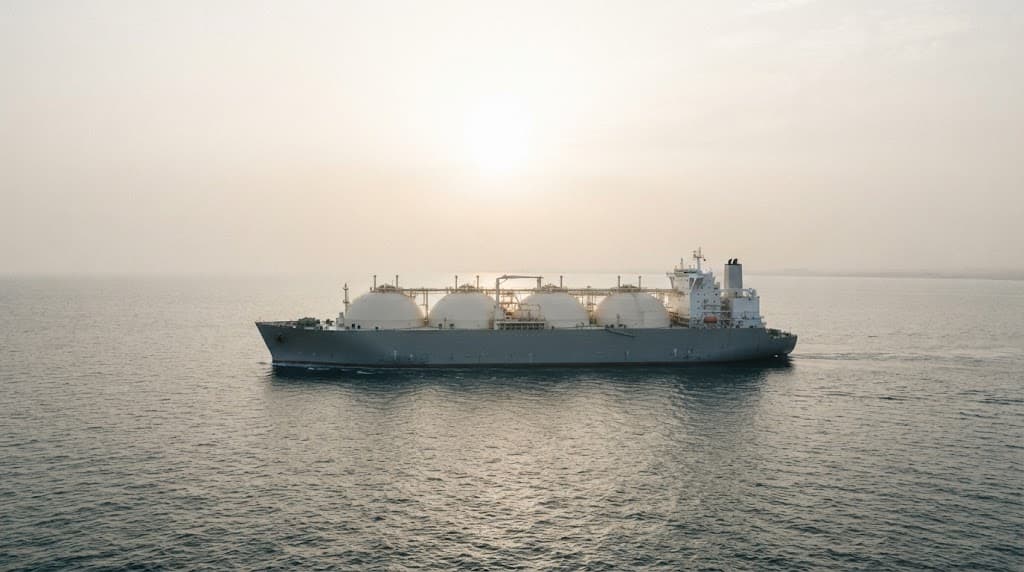
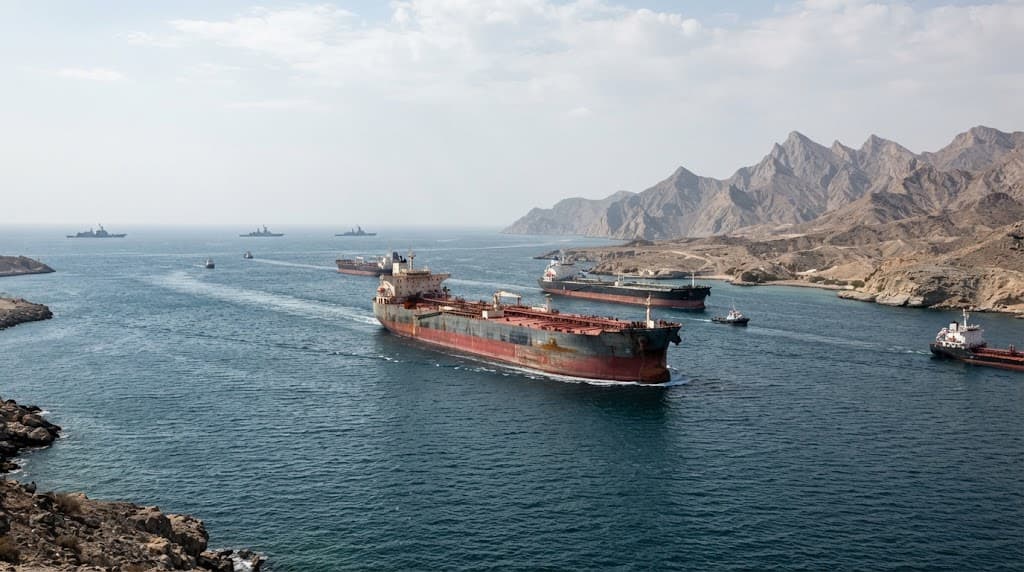
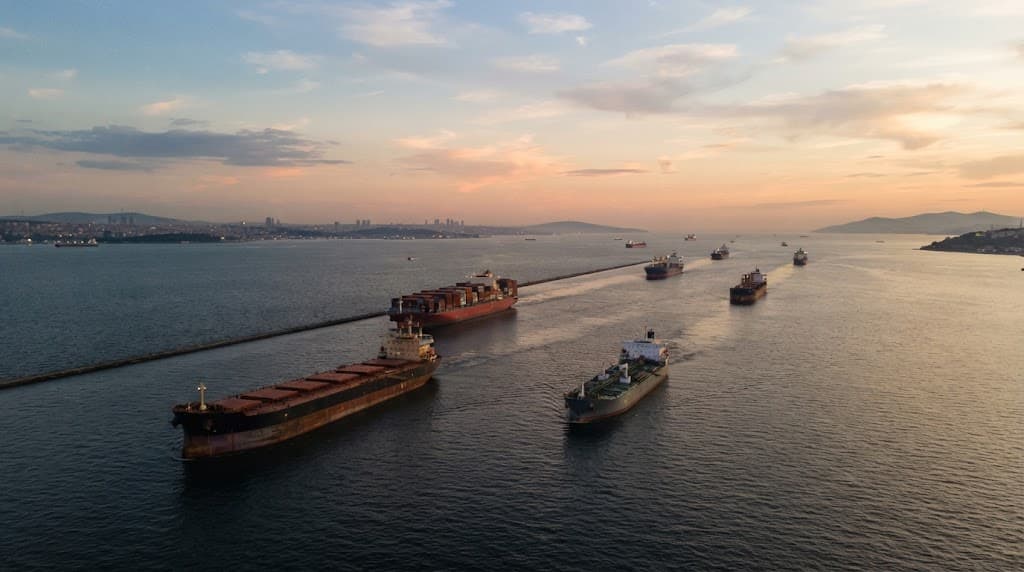
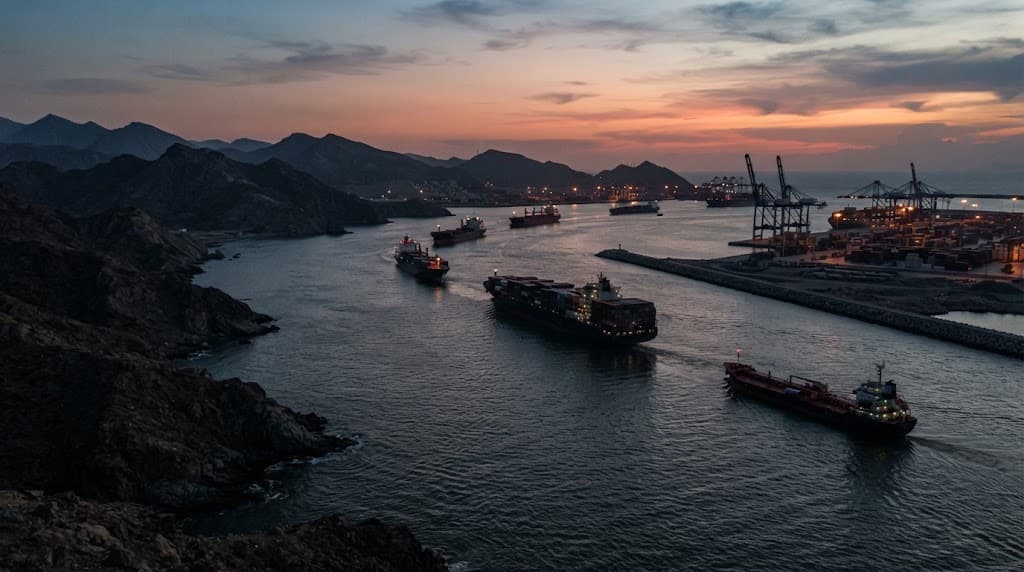
The Persian Gulf, the Strait of Hormuz and the Sea of Oman form one of the world’s main energy and cargo corridors. Pakistan and many other countries depend on ships that pass through or near these waters for fuel and trade. Iran’s warning to the IMO is therefore aimed at an audience of shipping states and operators that monitor safety standards in those lanes.
The claims of US and Israeli attacks are Iran’s position as presented through its state media. Independent confirmation of each alleged strike is not set out in the available account; what is clear is that Tehran has taken the matter to the IMO and is pressing the safety argument in that forum.
What may come next
By lodging evidence with the IMO, Iran is seeking institutional attention to navigation and rescue risks it links to the alleged damage. Any further steps — reviews, statements or technical assessments — would depend on how the organisation and member states respond. For now, the public record centres on Iran’s submission and its caution about collisions, secondary accidents and weaker rescue capacity in Gulf and Hormuz waters.
Aasan alfaaz mein
Iran ne IMO ko documents aur tasveerein bheji hain, jin mein woh kehta hai ke Amreeka aur Israel ne us ke ports aur jahazon par hamle kiye. Tehran ka kehna hai ke is se Persian Gulf, Hormuz aur Oman Sea mein jahazon ke takraane ka khatra barh sakta hai. Rescue facilities kharab hone se madad der se pahunch sakti hai, jisse foreign sailors bhi khatre mein aa sakte hain. Pakistan ke liye yeh is liye ahem hai ke yeh samandari raaste fuel aur tijarat ke liye istemal hote hain.