Pakistan has told a United Nations rights forum that militants still find shelter across the border in Afghanistan, while a UN investigator pressed governments to withhold recognition of Kabul until rights abuses end.
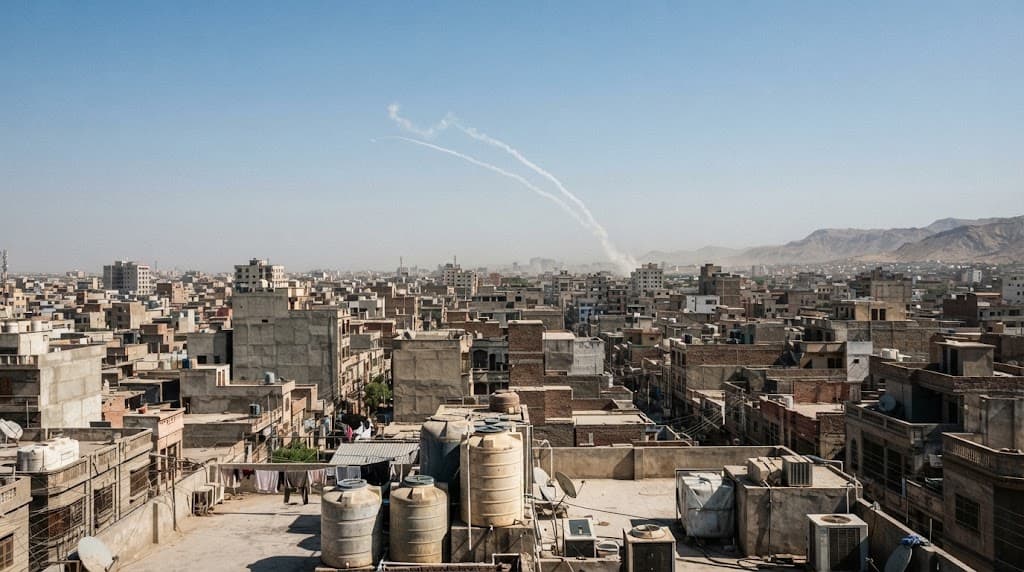
Speaking during Thursday night’s interactive session on Afghanistan at the UN Human Rights Council, diplomat Muhammad Jawad Ajmal said strikes launched from Afghan territory had claimed the lives of over 4,700 Pakistani citizens across three years.
In a parallel address to the General Assembly, Special Rapporteur Richard Bennett—an independent UN investigator on Afghanistan—argued that half a decade into Taliban rule, the movement has offered no sign it will undo entrenched rights abuses. He said controls have only grown tighter, above all for females.
Security concerns raised in Geneva
Ajmal linked the worsening rights climate to the Taliban’s refusal to meet duties under international law. He argued that bans denying women and girls core liberties clash with Islamic teaching and Muslim custom.
He pointed to a July gathering in Islamabad—the ninth Ministerial Conference on Women—where the Organisation of Islamic Cooperation (OIC, a bloc of Muslim-majority states) approved the Islamabad Declaration. That text flagged Taliban limits on women and girls as out of step with Islamic principles.
Pakistan’s intervention dwelt mainly on cross-border violence. Ajmal charged that the Taliban keep ties with militant outfits allowed to act freely inside Afghanistan, aided by outside forces that strike at Pakistan and nearby states. Silence instead of public condemnation, he argued, amounts to backing those groups.
UN expert presses for accountability
Bennett asked UN members to avoid treating the Taliban as a normal government until oppressive rules are rolled back. Fresh edicts, he reported, have weakened protections for women, opened the door to abuse, and left victims of domestic violence with almost no way out. He also said the authorities have allowed underage marriages.
His findings catalogued detention without due process, torture, sexual assault, forced disappearances and killings outside the law. The assessment further noted curbs on speech, the sidelining of people with disabilities, and bias or persecution aimed at ethnic, faith, language and other vulnerable communities.
Timeline: what has happened so far
- July: Pakistan hosts the ninth Ministerial Conference on Women in Islamabad; the OIC adopts the Islamabad Declaration on Taliban curbs affecting women and girls.
- Five years into Taliban rule: Bennett tells the General Assembly the movement has not moved to reverse entrenched rights abuses and has tightened controls further.
- Thursday evening: Ajmal addresses the UN Human Rights Council’s interactive session on Afghanistan, citing over 4,700 Pakistani deaths from Afghan-origin attacks in three years and alleging Taliban links to militants.
Aasan alfaaz mein
Pakistan ne UN mein kaha ke Afghanistan se aane wale hamlon mein teen saalon mein 4,700 se zyada Pakistani jaanain gayi hain. UN ke expert ne bataya ke Taliban ne auraton aur larkiyon par qaboo aur sakht kar diya hai. Unka kehna hai ke jab tak yeh zulum na rukain, dusre mulkon ko Taliban se aam rishta nahi banana chahiye. Is masle ka asar Pakistan ki security aur Afghan khawateen ki azadi dono par parta hai.