Gas supply disruption closes two urea plants
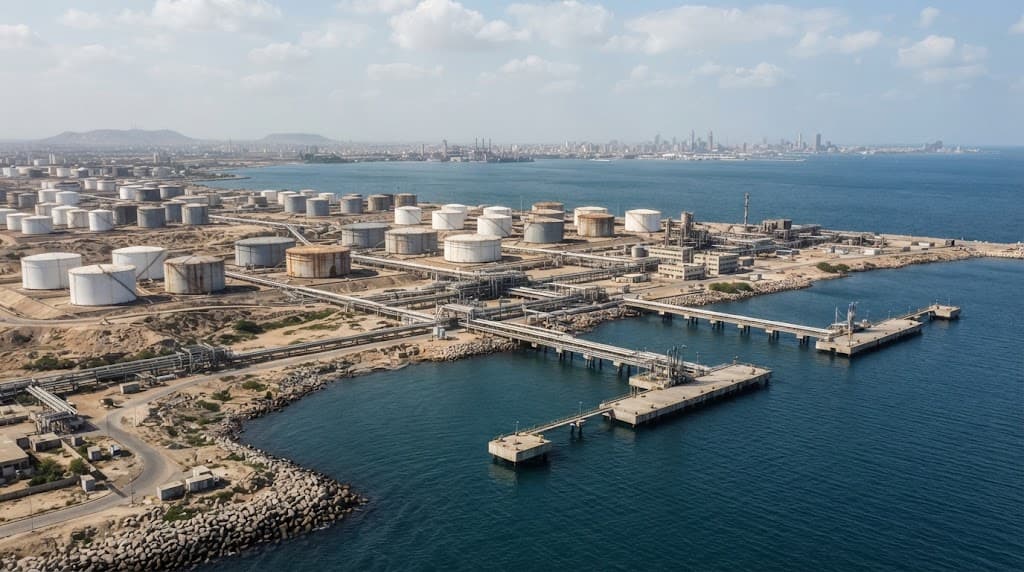
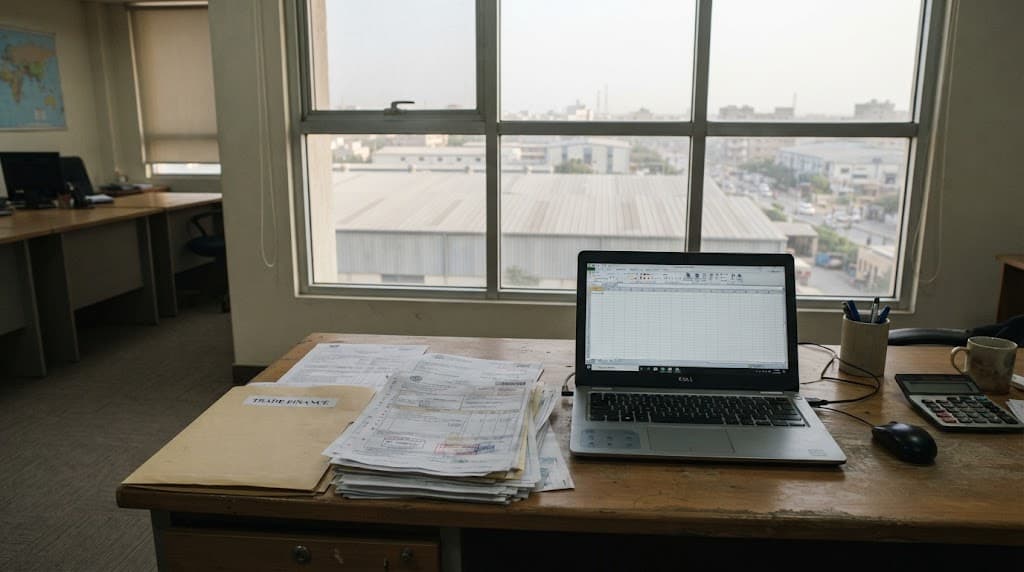
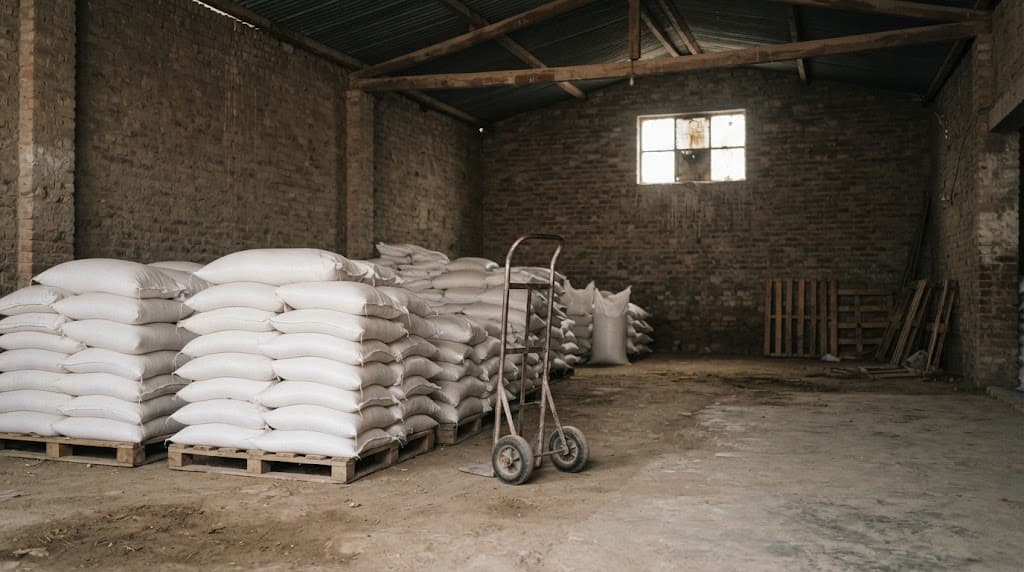
A fertilizer shortage in Pakistan has left the market short by more than 200,000 tons after gas supply was disrupted because of the Middle East situation, temporarily closing two urea plants in the country. Parliamentary Secretary Shaista Khan informed the National Assembly of this during Question Hour on Friday in Islamabad.
She told the House that the plant closures reduced fertilizer availability and created shortage issues in the market. Urea is a nitrogen-based crop nutrient produced with natural gas, so when gas flows are interrupted, plants can be forced offline and local stocks tighten quickly.
Imports, prices and farmer concerns
Shaista Khan said agricultural production depends on fertilizer availability, so any rise or fall in fertilizer prices and supply is a concern for the government. The government is also relying on imports to meet requirements, with about 50 percent of the country’s fertilizer needs met from abroad.
She linked the Middle East crisis to higher fertilizer prices in the international market as well. That mix of domestic plant downtime and dearer imports helps explain why a fertilizer shortage in Pakistan is now showing up as thinner availability for buyers.
What officials say is being done
According to the Parliamentary Secretary, the Ministry of National Food Security and Research—the federal ministry that handles farm policy and food security—is giving priority to farmers’ needs. She said various projects are being launched to address their problems, including easier loans so farmers can cover agricultural expenses.
She did not give a date for when the two urea plants would restart or when the more than 200,000-ton gap would be filled. Until gas supply recovers and plant output returns, growers will depend on remaining market stocks and on continued shipments from abroad.
Aasan alfaaz mein
Middle East ki soorat-e-haal ki wajah se Pakistan mein gas ki supply mutasir hui hai. Is wajah se do urea (khad) ke plants kuch waqt ke liye band padey hain. Is se bazaar mein 200,000 ton se zyada khad ki kami ho gayi hai. Sarkar kehte hain ke mulk ki qareeban aadhi zarurat bahar se aati hai, is liye kisaanon ko khad milne aur qeemat ka masla pehle se zyada mehsoos ho sakta hai.