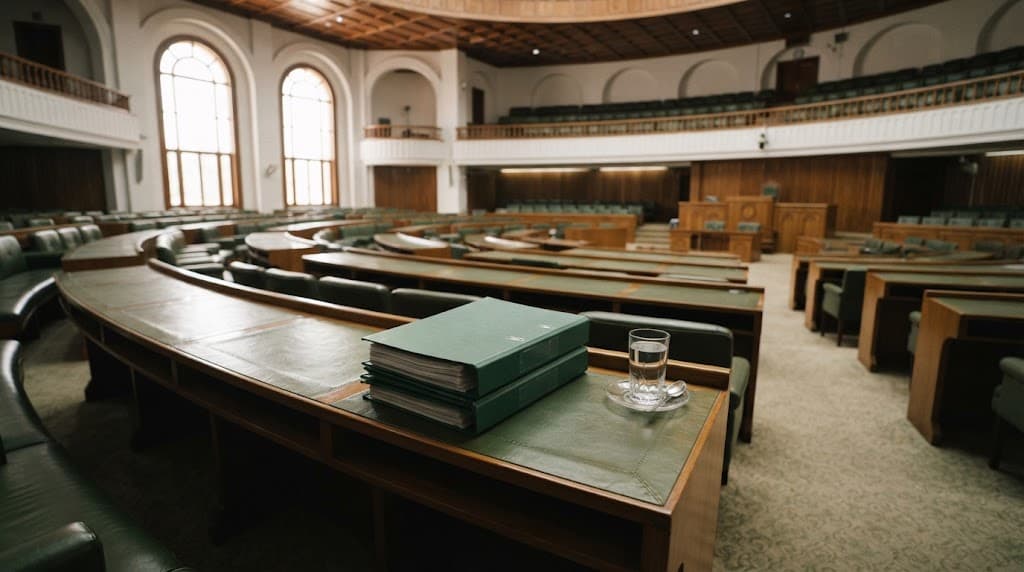
The government on Friday told the National Assembly that the devaluation of the Pakistani rupee had pushed up petroleum and construction material prices and added hundreds of billions of rupees to the estimated cost of major dam projects. That briefing is the clearest official link so far between the currency’s slide against the US dollar and the pressure on petrol prices in Pakistan today, as well as on diesel, cement, steel and hydropower budgets.
What the National Assembly was told
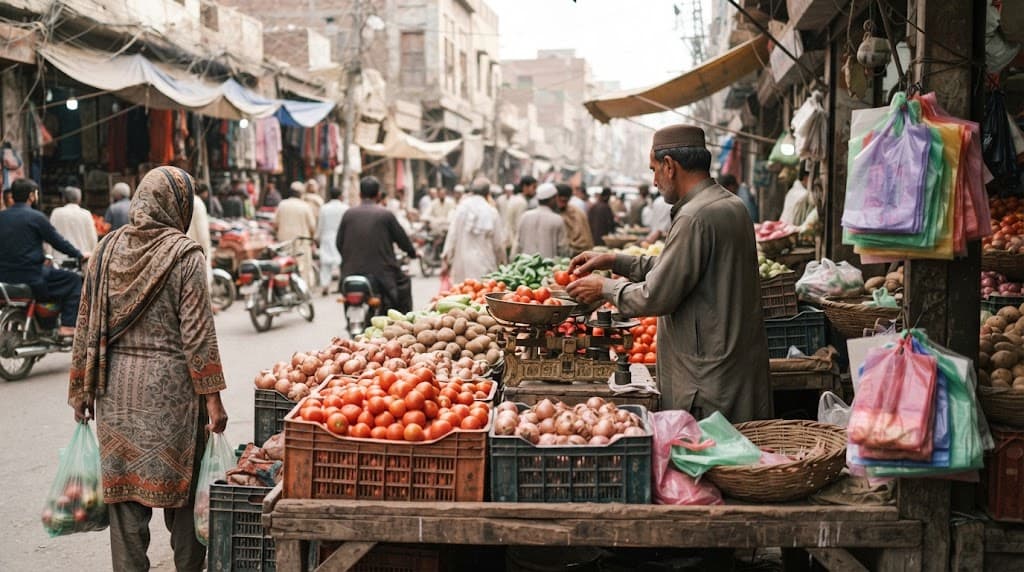
Members were informed that cement prices had risen by 204 percent, with a bag climbing from Rs530 to Rs1,610. High-speed diesel was put at Rs472 per litre after the currency slide. Steel and iron rod prices were said to have surged by 268 percent, from Rs72,000 to Rs265,000 per metric ton.
Officials framed the rises as a consequence of the rupee’s depreciation against the dollar, not as a one-off market quirk. For households and builders, that means the same bag of cement, steel tonnage and litre of diesel now carry a far heavier rupee price tag than before the slide.
Dam projects and exchange-rate overruns
The House was also told that currency devaluation had forced large upward revisions in project cost estimates. The Planning Commission Proforma-1 (PC-1)—the formal project cost document—for the Diamer Bhasha Dam rose from Rs479 billion to Rs1,121 billion. That is an increase of Rs642 billion, attributed primarily to exchange-rate fluctuations.
The estimated cost of the Dasu Hydropower Project rose from Rs486 billion to Rs1,740 billion, described as a 258 percent cost overrun. Together, the two revisions show how imported equipment, fuel and materials priced in foreign currency can swell public project bills when the rupee weakens.
Why this matters for fuel and building costs
By admitting that devaluation fed into petroleum and construction prices, the government placed petrol prices in Pakistan today inside a wider currency story. Diesel at Rs472 a litre and cement at Rs1,610 a bag are the clearest consumer-facing figures shared in the session. Builders face steel near Rs265,000 a ton, while taxpayers ultimately carry the higher dam estimates.
What happens next depends on budget and project reviews that were not detailed in the briefing. For now, the official record is that the rupee’s fall against the dollar helped drive the fuel price increase path and the jump in construction and dam costs presented to the Assembly.
Aasan alfaaz mein
Hakumat ne National Assembly mein kaha ke Pakistani rupay ki qeemat dollar ke muqable mein girne se petrol aur diesel mehnge hue. Cement ka thaila Rs530 se Rs1,610 tak pahuncha, aur diesel Rs472 litir bataya gaya. Dam projects ki laagat bhi kai arab rupay barh gayi. Matlab ordinary logon ke liye sawari, building aur bijli ke bare projects sab pe pehle se zyada kharcha pad sakta hai.