Why a new panel is meeting now
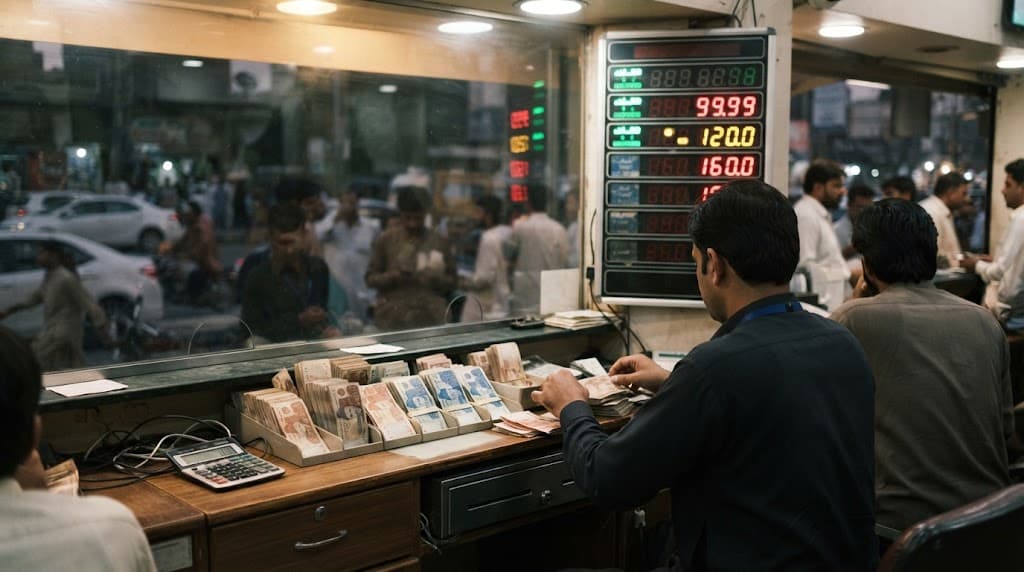
LPG prices in Pakistan today have climbed far above the official schedule after imports tightened, and the federal government is answering with a policy review rather than a one-off rate notice. Prime Minister Shehbaz Sharif has assembled a panel of eight senior officials to examine a draft overhaul of how liquefied petroleum gas—bottled cooking and heating fuel—is brought in, priced and sold. Market rates for a standard 11.57kg cylinder now sit between Rs6,000 and Rs7,200, while OGRA’s notified figure stands at Rs3,296.
The squeeze followed a halt to cross-border trade with Iran earlier this month and weaker seaborne arrivals. Stakeholders in marketing and retail had already objected when a new rulebook looked set to start within about a week without their input. The prime minister’s group is meant to settle that dispute and the wider reform package before anything is locked in.
What the draft reform would change
Under the cabinet summary now under study, state-owned enterprises would lead bulk imports and monthly price-setting that OGRA currently notifies for both domestic and imported product. Firms named in the plan include Pakistan State Oil (PSO), the Sui gas utilities, PARCO and Pakistan LNG. Monthly consumer-facing prices would still be issued, but on an import-parity path tied to Saudi Aramco free-on-board contract rates, plus recent premiums, freight, insurance, incidentals and taxes.
A Producer Price Differential Fund would collect the gap between local producer receipts and the PSO base, held in a public account and audited by the Auditor General. The federal government would tap that pot for targeted relief to lower-income users screened through the Benazir Income Support Programme scorecard. Ten percent of locally made LPG would go to state marketers at producer rates for Gilgit-Baltistan, the northern highlands and other hard-to-reach areas via cylinders and air-mix plants; the other ninety percent would go to prequalified bottlers in open monthly auctions, with a floor set at five percent of PSO’s import parity.
Company margins for marketers and importers would rise from Rs35,000 to at least Rs50,000 a tonne as an inflation catch-up after rates frozen since the 2016 LPG policy, though competition would still apply. The Competition Commission of Pakistan and OGRA would watch for collusion. The summary also seeks to keep bidder financial offers off the Public Procurement Regulatory Authority website, citing speed and a wish to draw larger players.
Who sits on the committee—and who objects
The petroleum minister chairs the group. Other seats go to the economic affairs and information ministers, the prime minister’s adviser on interprovincial coordination, the special assistant on energy, the petroleum secretary, the director general of liquefied gases and the head of the Government Relations Unit. They must also look at cylinder standards and the domestic market model, then send a full report to the prime minister within one month.
Industry voices say state firms have little track record running LPG cargo programmes and that a levy on local output could push retail costs higher still. Many also dislike Saudi contract-price linkage because cargoes often come from Iran and Oman rather than that Gulf benchmark. If state importers do not bring product in a given month, the draft would fall back on the prior month’s premiums, costs and taxes with the current contract price—closer to how petrol and diesel are already set.
Timeline: what has happened so far
- 2016: Marketing and import margins were set under the then LPG policy and have not been raised since.
- Earlier this month (October 2026): Cross-border operations at the Iran frontier were suspended and seaborne arrivals slowed, tightening supply.
- Recent market trading: Retail 11.57kg cylinders moved to Rs6,000–Rs7,200 against OGRA’s notified Rs3,296.
- Late October 2026: A reform package had been lined up to start within about a week; marketers and dealers protested over missing consultation.
- 31 October 2026: The prime minister constituted the eight-member ministerial panel to review the draft, standards and local model within one month.
Aasan alfaaz mein
Cooking gas ke cylinder ab bazaar mein Rs6,000 se Rs7,200 tak mil rahe hain, jab ke sarkari rate Rs3,296 hai. Wazir-e-Azam ne petroleum minister ki sarbaraahi mein 8-member committee bana di hai jo import aur pricing ke naye rules dekhegi. Agar yeh plan pass hua to sarkari companies import aur mahana rates zyada sambhalengi, aur gareeb gharanon ke liye BISP ke zariye subsidy ka fund banega. Aap ke kitchen bill tab tak mehnga rehne ka imkaan hai jab tak supply aur naya nizam settle na ho.