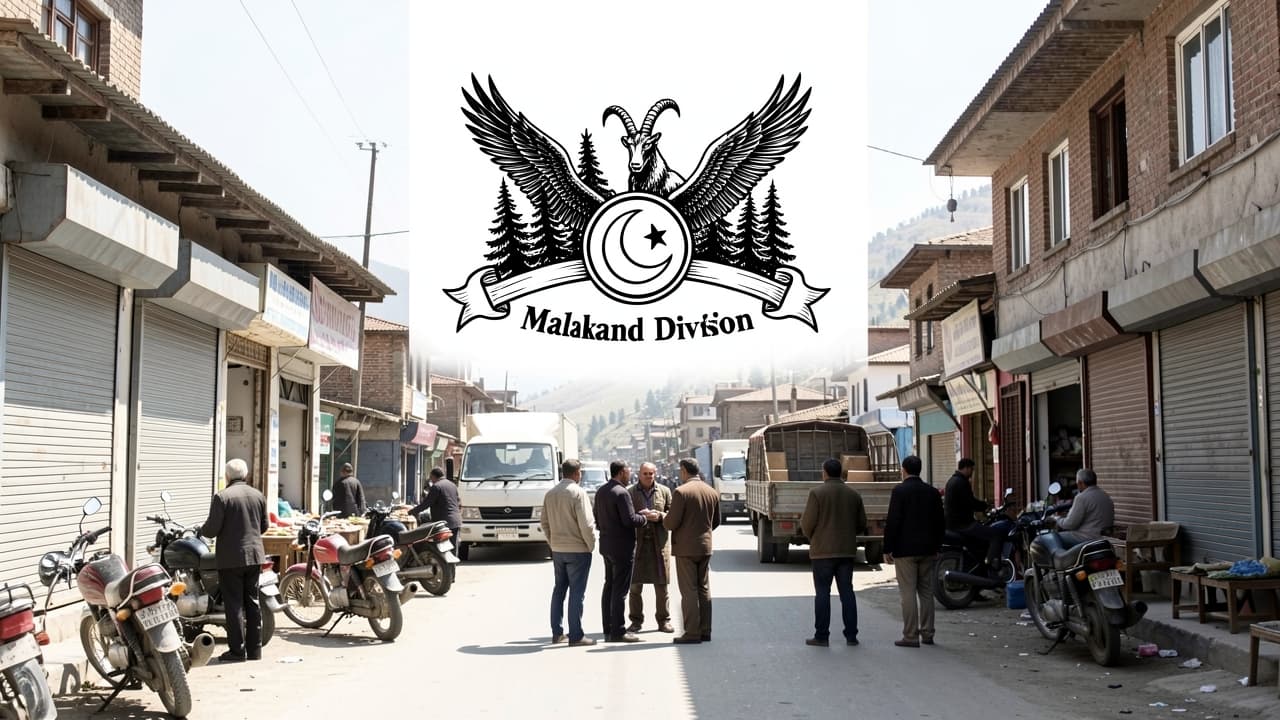
Concerns are growing across Malakand Division over the proposed imposition of taxes and the future of the division's special tax status. The Malakand Division tax question is now at the centre of public unrest, and a protest movement against taxation is reportedly gaining momentum across the division's districts. Local stakeholders warn that if public concerns are not addressed, the movement could take a more serious turn and disrupt business, economic activity and daily life.
The issue has been under discussion for several months. Residents are uncertain whether taxes will be enforced, or their scope widened, from July 1. Local stakeholders argue that any decision should take account of the division's historical status and the assurances reportedly given when the former Swat State acceded to Pakistan.
Demands from local groups
Political and social representatives have asked the government to clarify the division's present legal status and whether taxes apply to it. They want the Constitution of Pakistan, 1973, relevant legal provisions, and earlier administrative and taxation arrangements reviewed before a decision is taken. Stakeholders also call for a review of tax enforcement, implementation of past assurances, and meaningful consultation with all concerned parties. They believe a clear government position would ease public apprehensions.
The districts involved in the debate include Swat, Shangla, Buner, Malakand, Bajaur, Upper Dir, Lower Dir, Upper Chitral and Lower Chitral. Local stakeholders say that despite differences in geography and economic conditions, a coordinated approach based on consultation is needed. Traders, political workers, lawyers, transporters, industrialists and representatives of social organisations in Shangla and other areas insist that every affected district be represented before any final decision.
Business concerns
Traders' organisations warn that uncertainty over taxation could affect commercial activity, investment and employment. Business representatives say the issue extends beyond shops and markets, and could reach mining, marble processing, transportation, hotels and construction. They have asked for clarity on the nature of taxes, duties and levies imposed at federal and provincial levels. Given existing pressures such as inflation and unemployment, they argue that any additional financial burden must be carefully assessed.
Timeline: what has happened so far
- For several months: the taxation issue in Malakand Division has remained under discussion.
- July 1: the date from which, according to local stakeholders, taxes may be enforced or their scope expanded, creating uncertainty.
- Ongoing: a protest movement against taxation is reportedly gaining momentum across the districts, and stakeholders have warned of a more serious turn if concerns are ignored.
Aasan alfaaz mein
Malakand Division mein taxes ka masla kuch arse se chal raha hai. Local log aur tajir kehte hain ke July 1 se taxes ke nafaz ya daayre mein izafe par abhi wazeh position nahi hai. Is par protest tehreek ka zor barh raha hai, aur karobar aur roz marra ki zindagi mutasir ho sakti hai. Aap ke liye matlab yeh hai ke hukumat ki wazahat aane tak halaat par nazar rakhna zaroori hai.