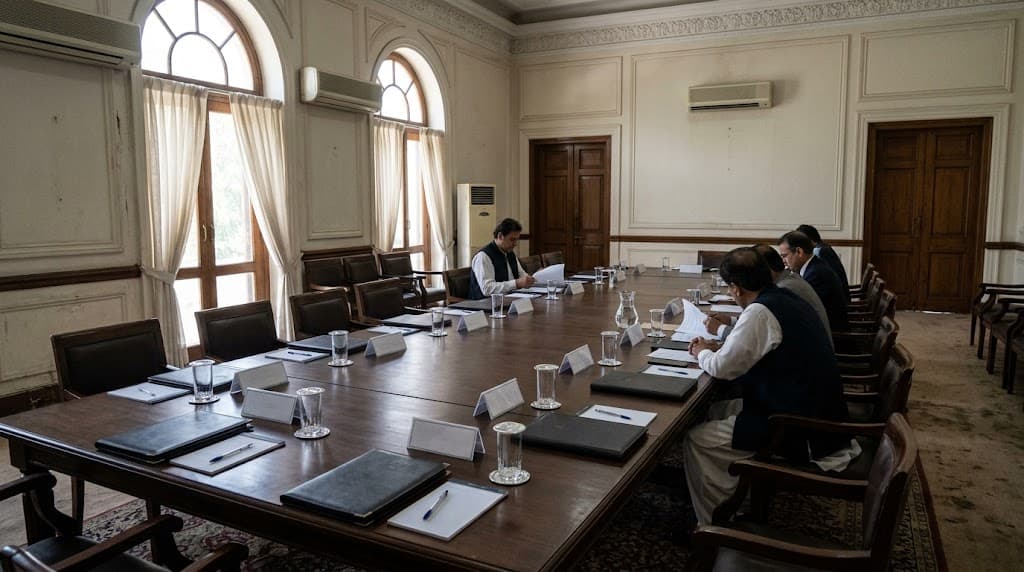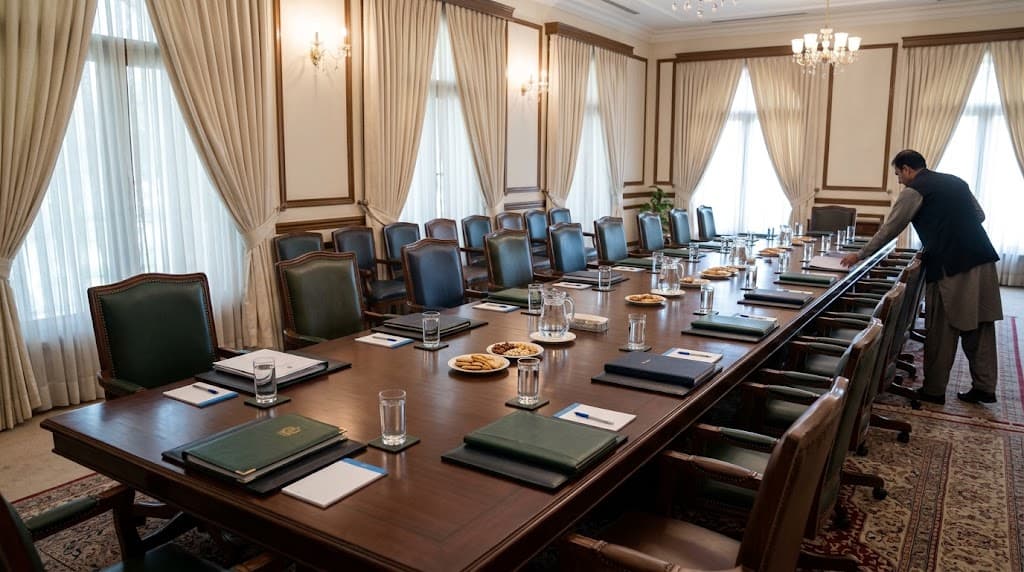
Pakistan fiscal reforms remain central to the government's economic agenda, President Asif Ali Zardari told a visiting International Monetary Fund (IMF) delegation on Tuesday, October 20. He said Pakistan is committed to fiscal sustainability, energy sector reforms, privatisation and social protection, while pursuing inclusive and green growth. The meeting took place at Aiwan-e-Sadr in Islamabad, and the details come from a news release issued by the Presidency.
Growth and deficit figures
The President met Jihad Azour, Director of the IMF's Middle East and Central Asia Department. The IMF delegation also included Iva Petrova, the Fund's mission chief for Pakistan, and Mahir Binici, its resident representative in the country. Federal Finance and Revenue Minister Muhammad Aurangzeb, Senators Sherry Rehman and Saleem Mandviwalla, MNA Syed Naveed Qamar and the Secretary Finance were also present.
According to the Presidency's account, the economy reached $452.1 billion in FY2026, and real GDP growth (economic growth after adjusting for inflation) rose to 3.7 per cent from 3.2 per cent in FY2025. The fiscal deficit, which is the gap between government spending and revenue, fell to 2.6 per cent of GDP in FY2025-26. A primary surplus, meaning revenue exceeded spending before interest payments, was recorded for the third consecutive year in FY2026.
Reforms the government says it will pursue
Zardari said the government is working to strengthen revenue collection, improve tax administration and reform public sector institutions. He described steps to widen tax documentation, digitise revenue collection and curb tax evasion. He also said the reform programme has the support of all political stakeholders and that provincial governments are helping meet reform commitments and targets.
The talks referred to the IMF's Extended Fund Facility (EFF), a longer-term lending programme, and the Resilience and Sustainability Facility (RSF), a separate IMF arrangement. Zardari welcomed the successful conclusion of the fourth review of the EFF and the third review of the RSF, along with a staff-level agreement, which is the technical step that comes before final approval. Azour, according to the release, stressed that sustaining reforms is needed to protect macroeconomic stability, maintain fiscal discipline and support growth. Readers who want a wider view of how tax reform is progressing can see our earlier coverage of the risks and gains in tax reform.
Timeline: what has happened so far
- FY2025: real GDP growth was 3.2 per cent, according to the Presidency.
- FY2025-26: the fiscal deficit declined to 2.6 per cent of GDP.
- FY2026: a primary surplus was recorded for a third consecutive year, real GDP growth reached 3.7 per cent and the economy stood at $452.1 billion.
- 20 October: President Zardari met the IMF delegation at Aiwan-e-Sadr and reaffirmed Pakistan's reform commitments.
Aasan alfaaz mein
President Asif Ali Zardari ne IMF ke wafd ko bataya ke Pakistan maashi islahat, maali nazm-o-zabt aur energy, privatisation aur social protection ke shobon mein kaam jari rakhega. Presidency ke mutabiq deficit GDP ke 2.6 per cent tak aa gaya hai aur growth 3.7 per cent tak pohanch gayi hai. Aam aadmi ke liye iska matlab hai ke tax nizam aur sarkari amdani par zyada zor hoga, jis ka asar aage chal kar bijli, tax aur sarkari khidmat par par sakta hai. Lekin aisi tabdeeliyon ka asar fori nahi hota, is liye budget ke faislon par nazar rakhein.