Pakistan has said the Afghan Taliban’s failure to act against militant groups operating from Afghan territory remains the chief barrier to normal ties with Kabul, pushing back against a claim that Islamabad will not talk its way out of the dispute.
In a statement issued on Saturday, the Ministry of Information and Broadcasting argued that Taliban leaders were blaming Pakistani policy while overlooking what Islamabad calls the central problem: terrorism originating from Afghan soil. The ministry’s reply followed remarks by Taliban spokesman Zabihullah Mujahid, who said Pakistan was not ready to resolve differences with Afghanistan through dialogue and lacked the will for a peaceful settlement.
What Islamabad told the Taliban
The ministry stated that the Taliban authorities’ persistent refusal to address terrorism remains the principal obstacle to normal relations. Shifting blame, offering what it called hollow assurances, and questioning Pakistan’s policies would neither end the crisis nor remove the Taliban’s responsibilities, it said.
“Pakistan’s position is unequivocal: terrorism is a red line and the security of its citizens is non-negotiable,” the statement said. Officials added that Pakistan would not accept militant sanctuaries across its borders or allow its people to stay exposed to attacks launched from Afghanistan.
Security measures and who must act
The ministry said Pakistan reserved the right to take all necessary measures, in line with international law, to remove threats to national security wherever they come from. It placed the duty to tackle those threats on the Taliban authorities and warned that Pakistan’s security would not be held hostage to their inaction.
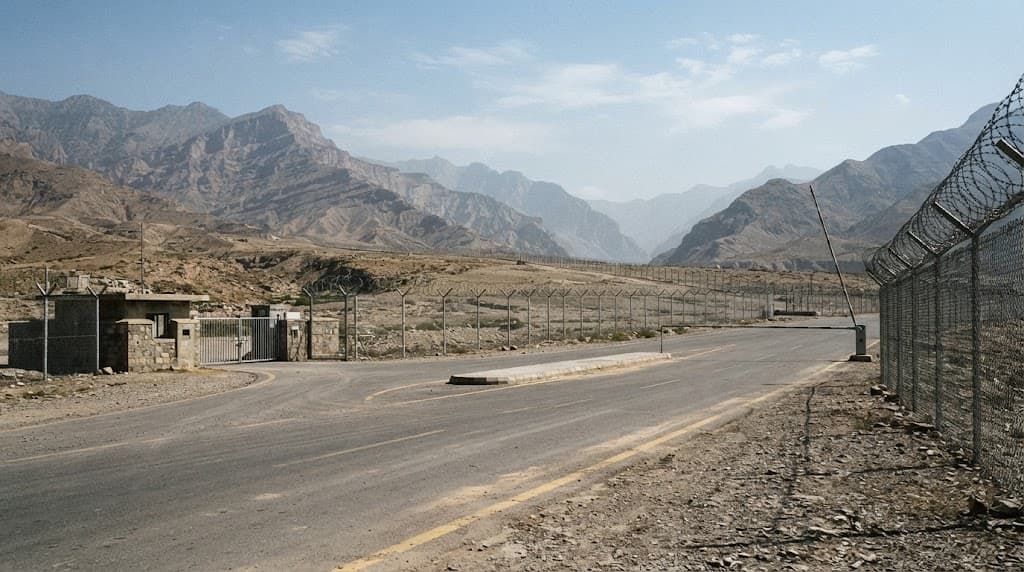
The exchange fits a longer pattern. Pakistan has repeatedly accused the Afghan Taliban of allowing the Pakistani Taliban, also known as Tehreek-e-Taliban Pakistan (TTP)—a banned militant network that has claimed attacks inside Pakistan—to use Afghan territory. The Taliban authorities deny that Afghan soil is used against other countries.
What the disagreement means for talks
Islamabad and Kabul still disagree over militant activity and over the conditions needed before dialogue can ease tensions. Until that gap narrows, Pakistani officials are framing Afghan terrorism—not a lack of Pakistani willingness to talk—as the issue that must be faced first.
Aasan alfaaz mein
Pakistan ne kaha hai ke Afghanistan se aane wali dehshatgardi hi dono mulkon ke normal taaluqat ki asl rukawat hai. Taliban ke mukhalif bayan ke jawab mein Islamabad ne clear kiya ke yeh masla baat cheet se pehle hal hona chahiye. Amn aur shehriyon ki hifazat Pakistan ke liye red line hai. Border ke qareeb rehne walon ke liye yeh matlab hai ke tension tab tak kam nahi hogi jab tak militant hideouts ka masla hal na ho.