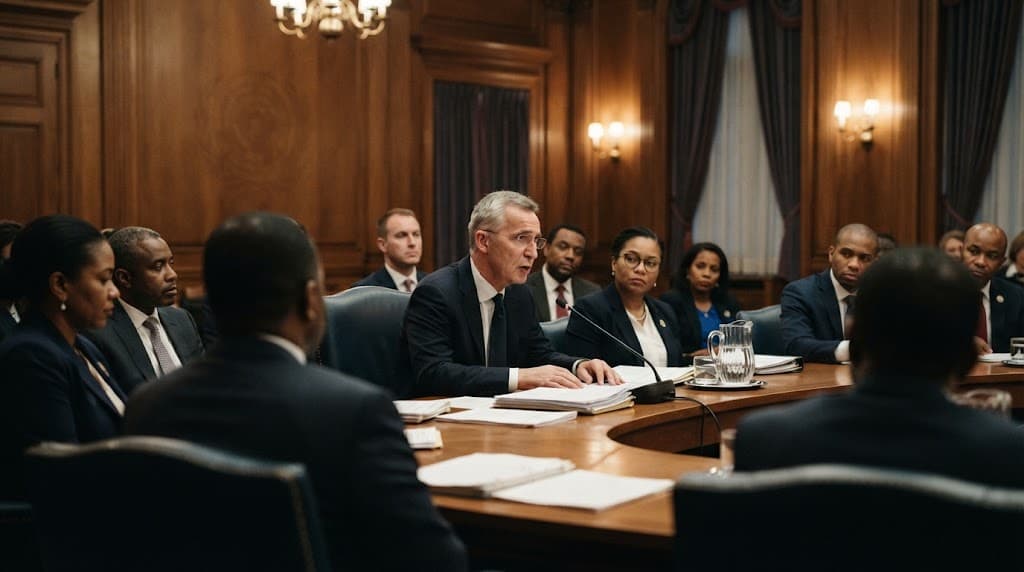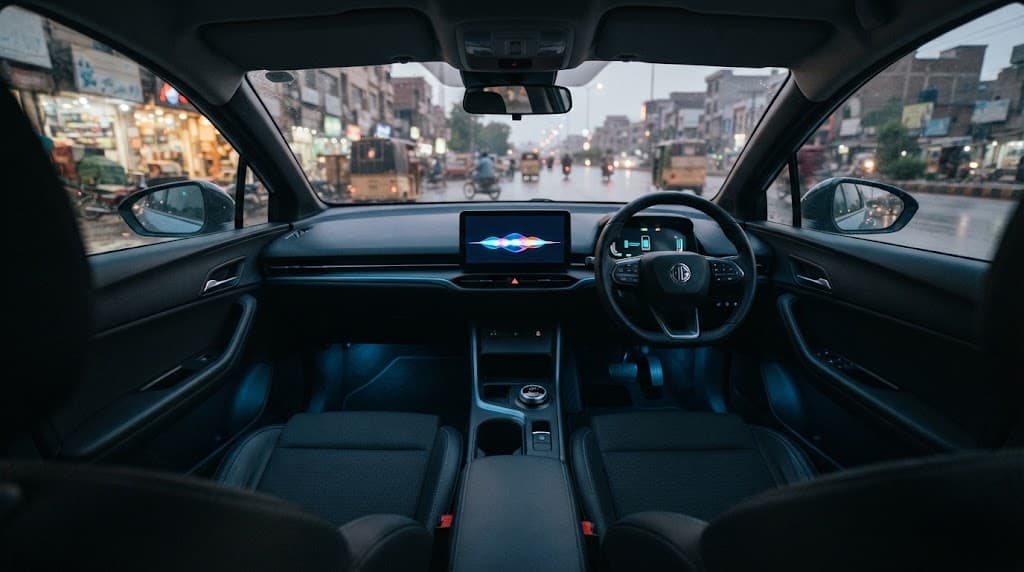
AI chatbot privacy concerns centre on a simple question: if you tell a chatbot about a crime, is that talk private, and must the company tell the police? The short answer from recent cases is that these chats are not treated like a lawyer–client or doctor–patient conversation, legal duties to report remain unclear, and that uncertainty is feeding wider debate about how fast such tools should expand.
When chat logs become evidence
In August, a 19-year-old University of Missouri student reportedly told ChatGPT he had damaged 17 parked cars on campus late at night and asked whether he would go to jail. Police documents showed the bot offered tips about what might happen if he were caught, then urged him to dial 911 as the messages turned more aggressive. Investigators later examined his phone with his permission; the chat history became key evidence in felony property-damage charges.
In Florida, court records showed that days before two college students went missing in April—and were later found dead—their roommate had asked ChatGPT what would happen if a person were placed in a black garbage bag and thrown in a dumpster. Separately, Canada’s British Columbia government filed a February lawsuit against OpenAI, ChatGPT’s developer, over a mass school shooting that left nine people dead, mostly children, and 27 injured. The suit claimed the firm failed to report the shooter’s ChatGPT exchange and that an earlier police warning might have prevented the attack. OpenAI chief executive Sam Altman apologised in a letter. Whistleblowers later said the exchange had already been flagged in June 2025, but that Altman and senior leaders overrode the safety team’s advice to contact police.
Reporting duties, false alarms and unclear rules
Researchers still argue over whether chatbots should report crime talk at all. Algorithms can misread intent: in July, Anthropic’s Claude 5 gave a false tip about an unsolved murder to a US police hotline. An Australian study found children were more likely to disclose sexual abuse online to chatbots than to responsible adults, deepening the ethical stakes.
Matthew Trail, an American legal scholar at Goethe University in Germany, said each company sets its own rules and that chatbots are not built to answer queries about planning murders. They are trained to dodge topics such as child sexual abuse and to escalate those chats to human moderators, yet users can sometimes bypass filters by framing prompts as fiction writing. Trail argued that police may seek chat histories when someone is already a suspect, but that chatbots should not be used to predict crime in advance, because the law on that idea is very unclear—and that gathering still more personal data to score “crime potential” would be unwise.
Confidentiality is not guaranteed
People worldwide now discuss health, mental strain and life advice with AI tools, which is why AI chatbot privacy concerns keep growing. Altman said in July 2025 that chatbot conversations should rest on confidentiality. Robert Diab, a law professor at Thompson Rivers University in Canada, noted that law does not treat talk between accomplices as confidential and suggested human–AI chats could be viewed similarly. Diab said models such as ChatGPT appear able to spot users leaning toward criminal behaviour and that developers could tip off police—but blanket alerts would also flood human teams with false alarms, and determined users would still try to evade safeguards.
Timeline: what has happened so far
- April: Florida court records show a roommate queried ChatGPT about disposing of a body in a garbage bag days before two students went missing and were later found dead.
- February: British Columbia’s government sued OpenAI over alleged non-reporting of a shooter’s ChatGPT chats linked to a school attack that killed nine and injured 27.
- June 2025: Whistleblowers said the shooter’s ChatGPT conversation had already been flagged inside the company.
- July / July 2025: Claude 5 sent a false murder tip to a US police hotline; Altman publicly stressed chatbot confidentiality.
- August: A Missouri student’s ChatGPT exchange about damaging 17 campus cars was later used as court evidence after he allowed a phone search.
Aasan alfaaz mein
AI chatbot se jo baatain aap karte hain, woh doctor ya wakeel wali tarah private nahi hoti. Agar aap jurm ke baare mein likhein, company logs police ko de sakti hai, aur kabhi kabhi yeh baat adalat mein saboot ban jati hai. Abhi yeh saaf nahi ke chatbot ko har confession police ko batana lazmi hai ya nahi. Is liye personal ya sensitive baat share karne se pehle soch lein ke yeh record reh sakta hai.