Pakistan food insecurity now touches nearly one in four homes, Pasban Democratic Party (PDP) chairman Altaf Shakoor said in Karachi on Sunday, citing the Household Integrated Economic Survey (HIES 2024-25). He said moderate-to-severe food insecurity has risen to 24.35 percent of households from 15.92 percent in 2018-19 — a relative jump of 53 percent in six years — as poverty and inflation squeeze family budgets.
Affordability, not empty shelves
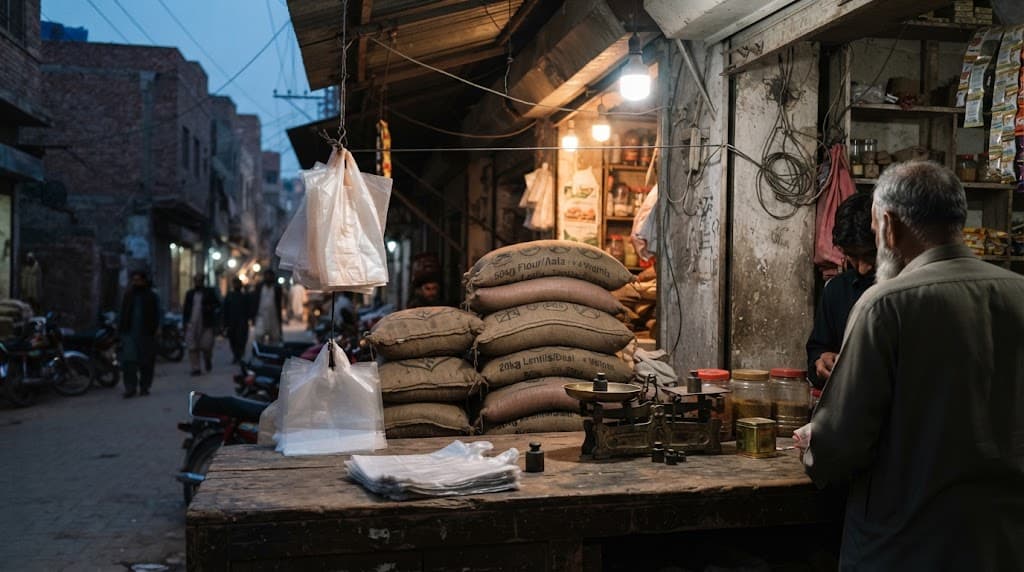
Shakoor argued the squeeze is not caused by a nationwide lack of food stocks. Instead, he described an affordability shock: families are putting a larger share of spending toward meals — 36.72 percent — yet consuming less. Within the affected group, severe food insecurity, marked by skipped meals and smaller portions as a recurring pattern, has more than doubled to 5.04 percent of households.
The gap by income is stark. He said the poorest income quintile faces a 45.9 percent food-insecurity rate, more than five times the 9 percent rate among the richest quintile. That pattern, he suggested, shows how prices and weak purchasing power, rather than empty markets alone, are driving household hunger risk.
Where the burden is heaviest
By province, he said the load is greatest in Balochistan at 30.3 percent and Sindh at 29.4 percent. Even so, every province now has at least one in five households in moderate-to-severe food insecurity. He tied the household picture to a wider poverty map: a World Bank assessment, he said, places Pakistan as home to nearly 48 percent of the extremely poor across the Middle East, North Africa, Afghanistan, and Pakistan (MENAAP) region. About 23 percent of people live below the USD3.00-a-day line, while roughly 49.9 percent fall below the USD4.20 lower-middle-income threshold. Multidimensional deprivation, he added, affects 38.3 percent of Pakistanis in health, education, and living standards, with another 12.9 percent at risk of acute poverty.
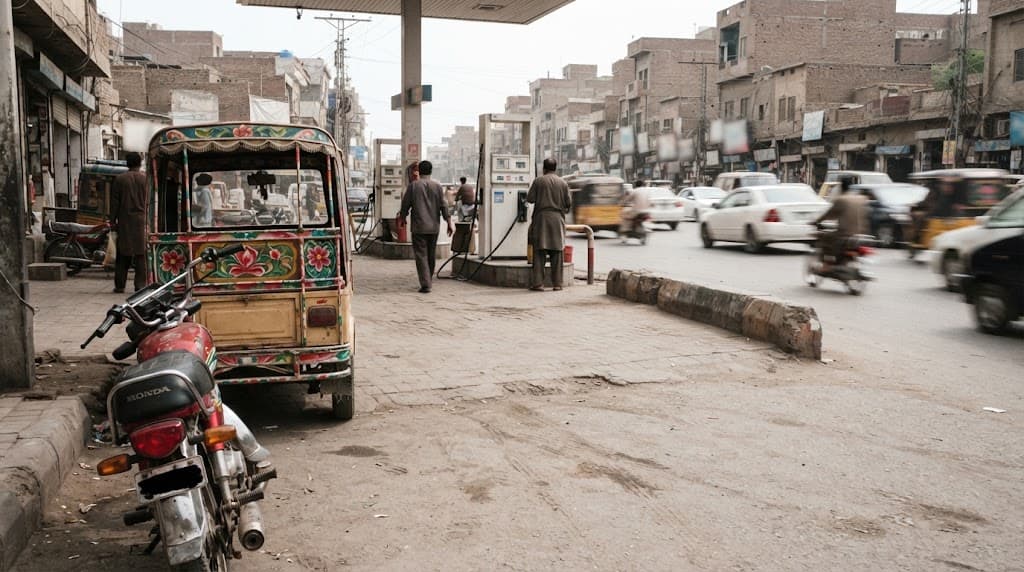
He also pointed to cost and job pressures that feed into Pakistan food insecurity. Headline inflation was 10.3 percent year-on-year in September 2026, nearly double the 5.8 percent a year earlier, with transport costs up 27.43 percent and wholesale inflation at 13.33 percent. Petrol remains above Rs377 a litre and high-speed diesel above Rs393 a litre, keeping pressure on transport, production, and food distribution. Unemployment, he said, has climbed to 7.1 percent — the highest in more than two decades — with 5.9 million people out of work and youth unemployment at 12.8 percent. Human costs he cited include stunting in over 40 percent of children under five, about 26 million children out of school, and 70 million people without basic sanitation.
Timeline: what has happened so far
- 2018-19: HIES recorded moderate-to-severe food insecurity in 15.92 percent of households.
- HIES 2024-25: The same measure rose to 24.35 percent; severe food insecurity reached 5.04 percent.
- September 2026: Headline inflation stood at 10.3 percent year-on-year, with transport and wholesale prices also rising sharply.
- Sunday (Karachi): Altaf Shakoor publicly linked the HIES figures to affordability stress and outlined policy responses.
- January 2027 (proposed): He cited a planned rise in Benazir Income Support Programme (BISP) quarterly cash assistance to Rs18,000.
On remedies, Shakoor called for inflation-indexed social protection. He said BISP currently reaches 12 million households with Rs14,500 in quarterly cash help, with a proposed increase to Rs18,000 from January 2027, and argued that transfer values must track food inflation so real support does not erode. He also urged stronger action against hoarding and cartelisation in essential goods, plus lower energy tariffs for industrial users to revive manufacturing and jobs.
Aasan alfaaz mein
Pakistan mein lagbhag har chautha gharana food insecurity ka shikar hai — HIES ke mutabiq 24.35 percent. Yeh masla stock khatam hone ka nahi, mehngai aur kam kharidari quwwat ka hai. Balochistan aur Sindh mein asar zyada hai, aur sab se gareeb tabqe mein rate 45.9 percent tak hai. Mehnat-mazdoori, petrol-diesel ke kiraye, aur BISP jaisi madad ki qeemat seedha aam gharane ke khane par asar dalte hain.