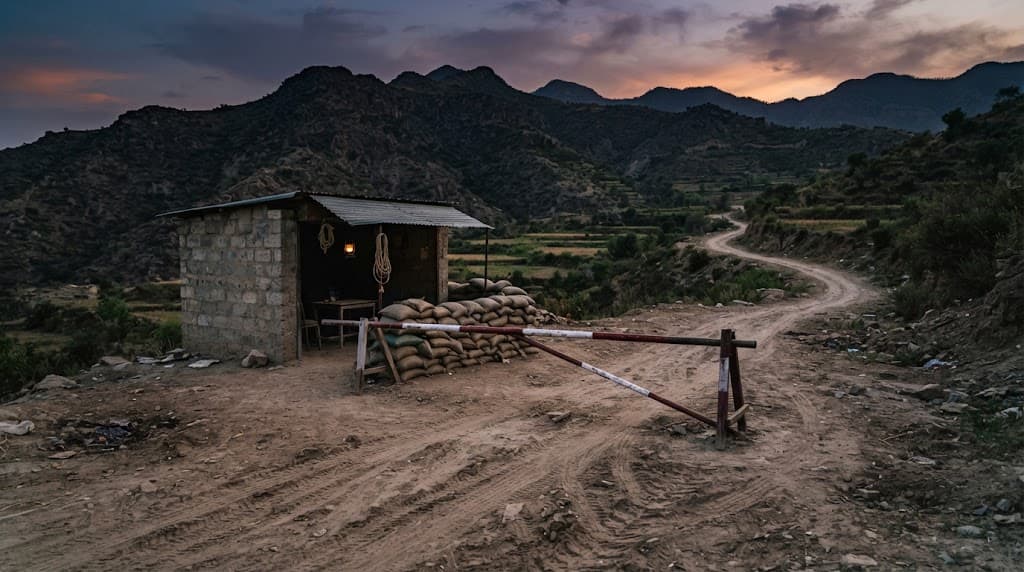
Pakistan and China have agreed to open a green channel at the Sost-Khunjerab border for agricultural and allied products, a step meant to make cross-border farm trade faster and cheaper along the China Pakistan Economic Corridor land link.
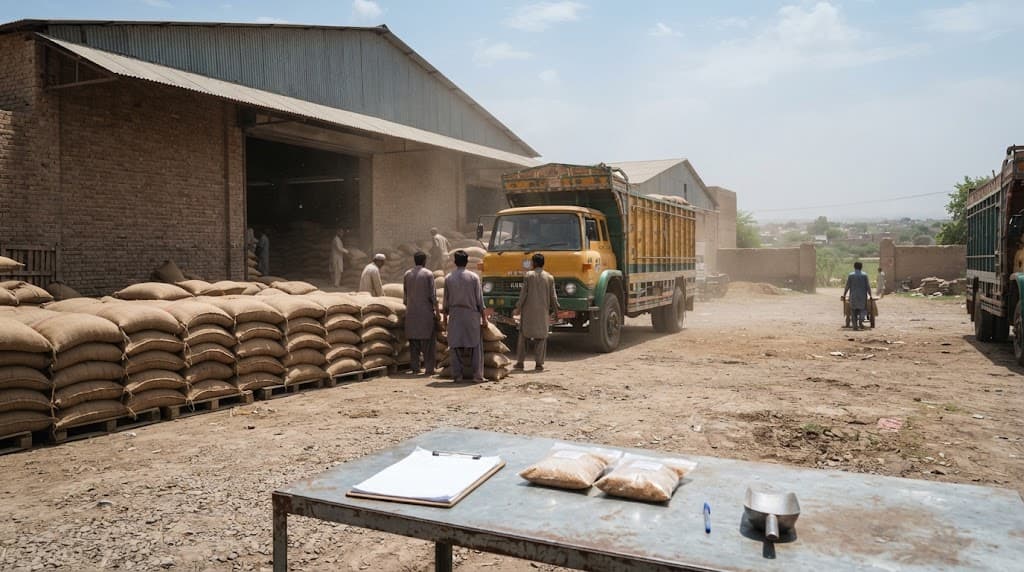
Customs on both sides are to give priority processing, use risk-based inspections and clear perishable goods more quickly. They will also share information, including risk alerts, so checks can move faster without dropping oversight. For fruit and vegetables that spoil in queues, shorter waiting times can mean less waste and lower logistics costs for growers and exporters.
Faster checks on the mountain route
The green channel is designed around the reality of the high-altitude crossing: farm produce loses value when held up, and reliable Chinese market access could help Pakistani suppliers find buyers and earn more foreign exchange. Electronic exchange of customs documents is also expected to cut procedural delays and help curb under-invoicing of Chinese imports, which officials and analysts treat as a serious revenue drain.
Beijing’s reported exports exceed Pakistan’s recorded imports from China by around $5bn. That gap is read as a sign of large-scale misdeclaration at the border and heavy losses for the treasury. More honest valuation, the argument goes, would better protect local producers and manufacturers from unfair competition.
Thin exports on a busy import path
Last year Pakistan Customs collected a record Rs15bn in revenue on imports through Khunjerab, while exports to China and Central Asia via the same route came to just Rs2.8bn. The two figures measure different things and cannot be lined up as a simple ratio, but they still underline how little Pakistan ships out through this corridor today.
Within the wider China Pakistan Economic Corridor relationship, Islamabad has often focused on infrastructure investment and imports from Beijing. The green channel is being framed as a push toward market access and two-way trade, not only inbound cargo.
What farm exporters still need
Fruit and vegetables from Gilgit-Baltistan and other northern areas are among the products that could benefit if clearance improves. Exporters still need cold storage, refrigerated transport, grading and packaging, and predictable logistics—and they must meet Chinese quality standards and build steady supply chains.
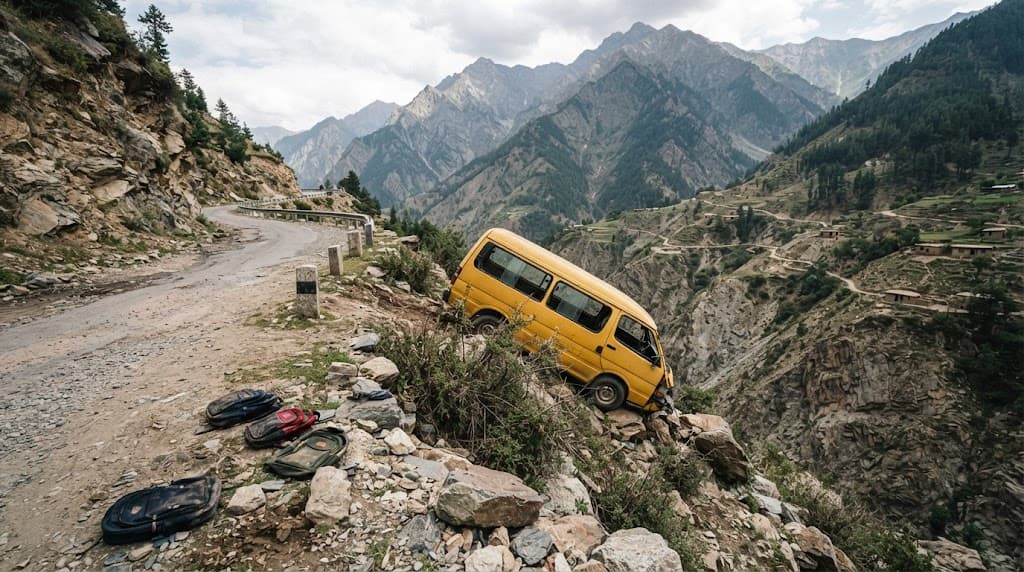
Weather remains a hard limit. The Khunjerab Pass is generally open for trade and travel from April to November; heavy snow usually shuts it in winter. A green channel helps little if consignments cannot move for months. Both sides are urged to work toward keeping the route usable year-round. Results will be judged by growth in Pakistani exports, how many firms reach Chinese buyers, and whether domestic producers’ incomes rise.
Aasan alfaaz mein
Pakistan aur China ne Sost-Khunjerab border par farm maal ke liye green channel banane ka faisla kiya hai. Iska matlab yeh hai ke phal sabzi jaisi cheezen customs se jaldi nikal sakti hain. Abhi is raste se Pakistan kam export karta hai, aur sardi mein pass band ho jata hai. Agar storage aur transport bhi theek ho, to shumali ilaqon ke kisanon ko China tak behtar pahunch mil sakti hai.