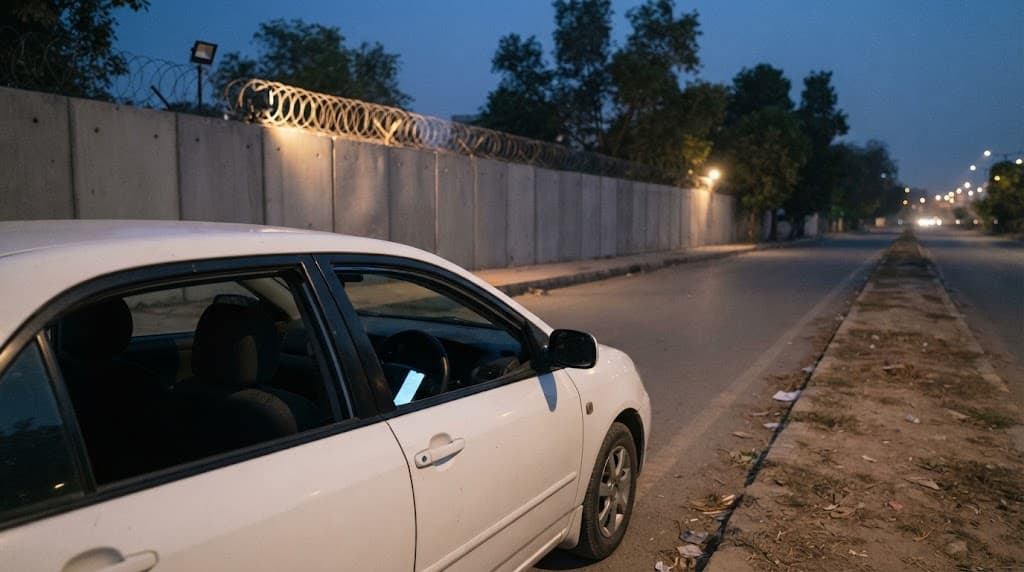
The National Cyber Crime Investigation Agency (NCCIA), Pakistan’s federal cybercrime body, says it has exposed a gang linked to taxi-driver scams in which online taxi fraud was used to target drivers. According to an NCCIA spokesperson, the suspects relied on fake SIM cards, WhatsApp and online accounts, then booked rides in areas near the Red Zone in Rawalpindi while posing as government officials.
How the scam unfolded
The spokesperson said the group used hospital bills and claimed medical emergencies to press drivers into transferring money. Once the payments arrived online, the suspects cancelled the rides and stopped all contact with the drivers. That sequence—book, persuade, take the transfer, then vanish—is the core of the taxi-driver scams pattern the agency described in this case.
Drivers were not asked for cash in hand, the account indicates; the money moved through online channels after the emergency story was told. Cutting contact after the transfer left victims with a cancelled trip and little immediate way to recover funds through the ride itself.
What the NCCIA has done
A case has been registered against the suspects, the spokesperson said, and further investigation is underway. The agency has not, in the material available on this episode, publicly named those arrested or said how many drivers lost money.
Separately, the NCCIA had earlier reported other cybercrime action in Lahore and across Punjab, Islamabad and Sindh under its Director General, Syed Ali Nasir Rizvi. That earlier work was described as part of a wider crackdown on international cyber fraud; it is not the same episode as the Rawalpindi taxi-driver case outlined above.
What drivers should note from this case
On the facts the NCCIA has shared, the risk sat in a booked ride near a sensitive area, a story about urgent medical costs, and a request for an online transfer before the trip was completed. Anyone facing a similar demand can treat it as a red flag until the agency’s investigation clarifies more about how widespread this method was.
Aasan alfaaz mein
NCCIA ne kaha hai ke kuch log online taxi ke zariye drivers ko dhoka de rahe thay. Woh sarkari afsar ban kar Rawalpindi Red Zone ke paas ride book karte, phir hospital aur emergency ka bahana de kar online paise mangte. Paise milne ke baad ride cancel kar dete aur rabta khatam kar dete. Is case mein FIR ho chuki hai aur investigation jari hai.