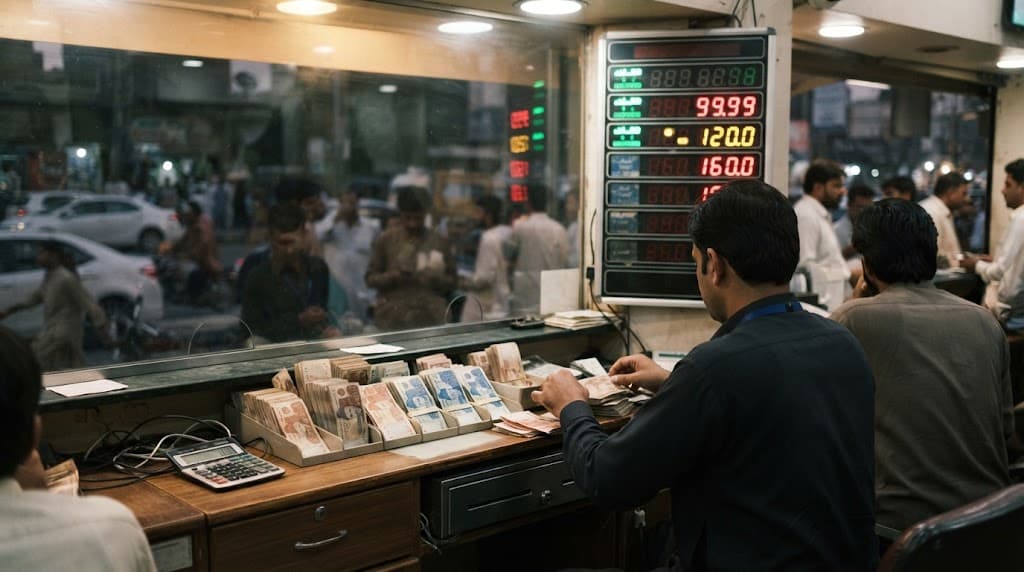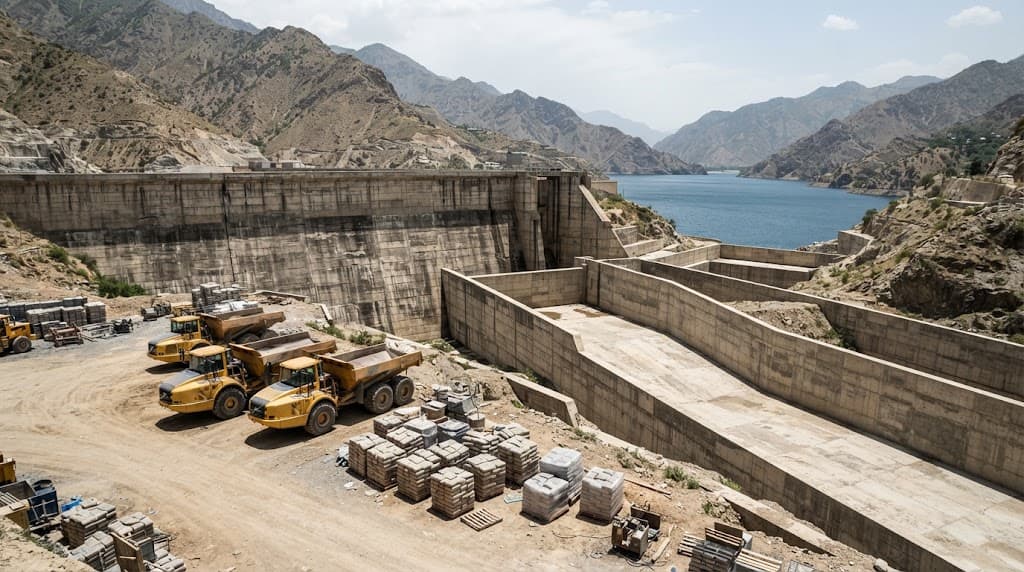
Currency pressure from a weaker Pakistani rupee against the US dollar has sharply raised the bill for two of the country’s largest hydropower schemes. Details shared by the Ministry of Water Resources in the National Assembly put the combined increase at Rs1.896 trillion in estimated costs for the Diamer-Bhasha Dam and the Dasu Hydropower Project.
Officials tied most of the revision to foreign-exchange movements. They also said higher petroleum and construction-material prices have added to the financial load on major infrastructure works.
How much each project now costs
For Diamer-Bhasha Dam, the ministry said the estimate rose by Rs642 billion. The figure moved from Rs479 billion to Rs1.121 trillion. It attributed the change to shifts in exchange rates and confirmed that a revised PC-I—the formal project cost document used for planning approval—had been submitted to the Ministry of Water Resources.
Dasu’s dam construction cost rose even more steeply. The estimated outlay climbed from Rs486 billion to Rs1.740 trillion. That is an increase of Rs1.254 trillion, or roughly 260% above the earlier figure.
Together, the two revisions account for the nearly Rs1.9 trillion surge highlighted in the Assembly briefing.
Why estimates have moved so far
Because large dams rely on imported equipment, foreign contracts, and dollar-linked spending, a weaker rupee lifts the rupee value of the same work. Currency framing in the Assembly material presents that exchange-rate effect as the main driver of the new totals.
The government also acknowledged a second layer of pressure: rising prices for fuel and building inputs used on site and in transport. Those domestic cost spikes sit alongside the currency effect rather than replacing it.
Material prices that add to the burden
Alongside the project totals, the ministry’s details recorded large jumps in key inputs. A bag of cement rose 204%, from Rs530 to Rs1,610. High-speed diesel rose 472%, from Rs72 to Rs414 a litre. Steel and iron bars rose 268%, from Rs72,000 to Rs265,000 per metric ton.
Those percentages help explain why contractors and public agencies face a heavier bill even before currency conversion. They also show how tightly dam budgets are tied to everyday construction markets.
What comes next in the Assembly record is limited to the revised estimates and the submitted PC-I. No further financing timetable or completion date was attached to the cost figures in the material shared.
Aasan alfaaz mein
Pakistan ke do bade hydropower projects—Diamer-Bhasha aur Dasu—ki estimated laagat mil kar lagbhag Rs1.9 trillion barh gayi hai. Ministry of Water Resources ne National Assembly mein bataya ke rupay ki kamzori dollar ke muqable mein badi wajah hai. Cement, diesel aur steel ki qeematain bhi bohat barh chuki hain. Is ka matlab yeh hai ke yeh bari qomi projects ab khazane par pehle se zyada bhoj daal sakte hain.