Pakistan is under growing United States pressure to shut Iran’s land trade routes, even as traffic on the Pakistan Iran border has begun to ease in a limited way. US Treasury Secretary Scott Bessent said earlier this month that Washington is working with Pakistan and Türkiye to “cut off all the land routes,” describing an “absolute isolation campaign” against Tehran. That push aims to extend a naval squeeze on Iranian ports onto land.
The diplomatic pressure sits beside a recent thaw. Pakistan and Iran had ended a border blockade after Field Marshal Asim Munir met senior officials in Tehran. About a week after Bessent’s remarks, however, trade was halted again at two Balochistan crossings.
Closures at Taftan and Gabd-Rimdan
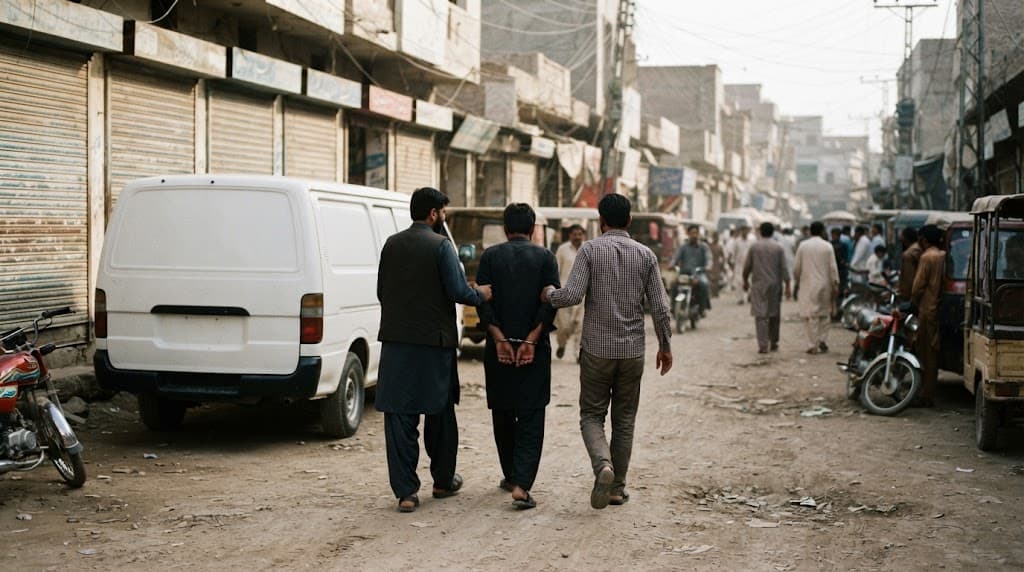
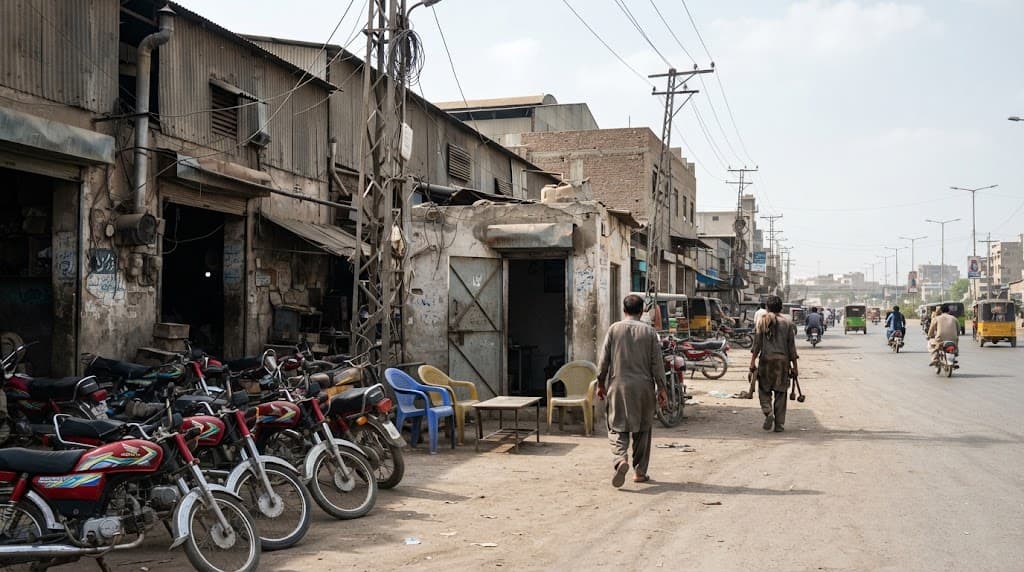
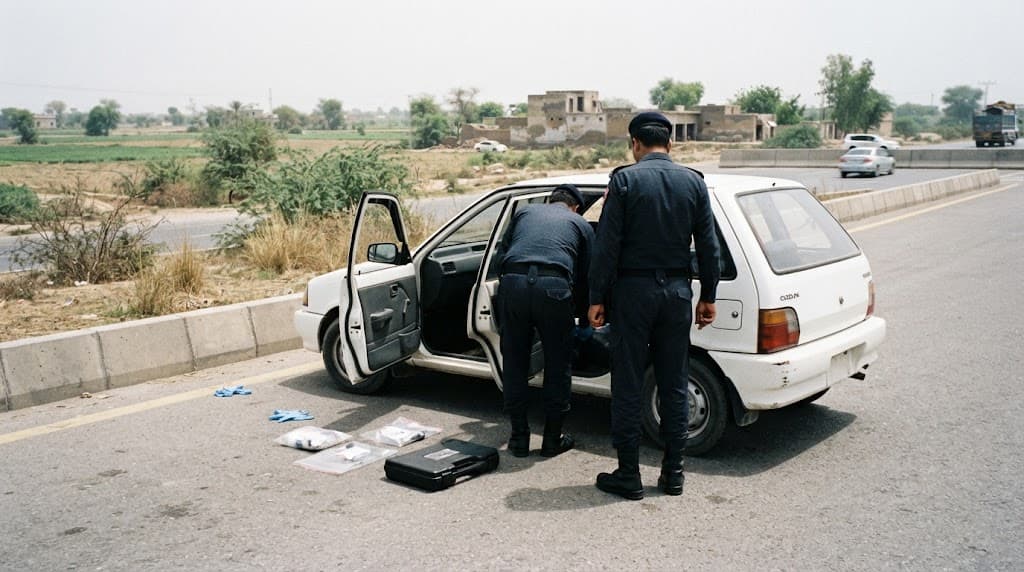
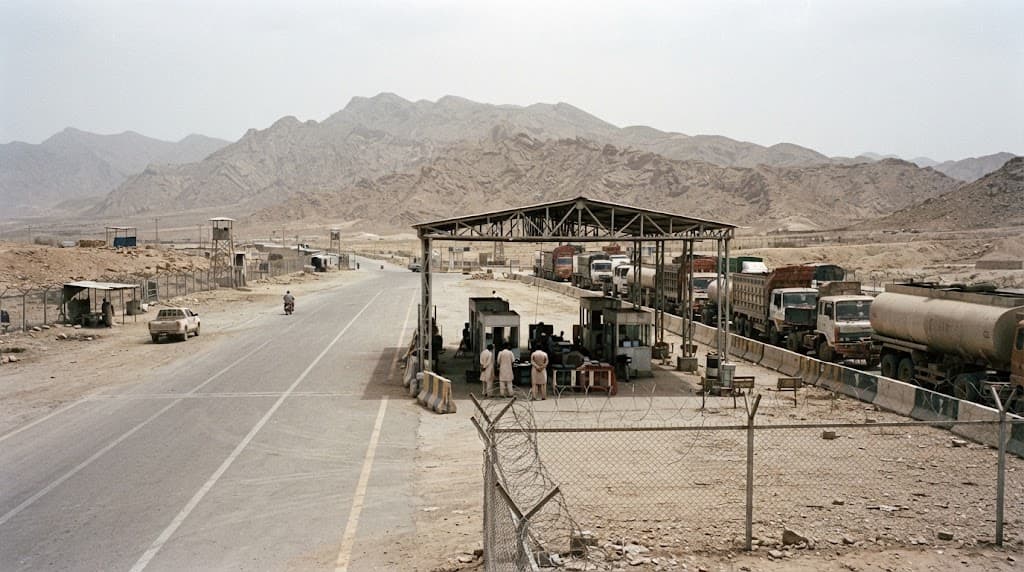
On 17 October, Pakistan closed trade at the Taftan and Gabd-Rimdan crossings. Provincial authorities cited security concerns. Iran blamed “technical problems” on the Pakistani side. The shutdown left hundreds of trucks stranded and disrupted liquefied petroleum gas (LPG) imports used for cooking and heating.
Pakistan imports around 7,000 tons of LPG from Iran every day. More than 4,000 tons of that volume normally comes through Gabd-Rimdan alone, so the halt hit a major supply channel. Reports say the United States had asked countries that border Iran to close their crossings; Iraq shut its Sheeb crossing with Iran on 21 October.
What Islamabad has said
Asked whether US pressure drove the Pakistani closures, the Foreign Office did not answer directly. Spokesperson Sajjad Haider Khan said Pakistan “adheres to and shall continue to adhere to all applicable sanctions regimes.” Online, Iranian academic Seyed Mohammad Marandi wrote that Pakistan is “under pressure from Trump to shut its border with Iran.”
Partial reopening on the Pakistan Iran border
Pakistan has since reopened the Gabd-Rimdan crossing for LPG tankers and essential goods. Officials have not said when full commercial traffic will return. For now, the Pakistan Iran border remains only partly open, with normal trade still unresolved and the wider US campaign to isolate Iranian land routes continuing.
Timeline: what has happened so far
- Earlier this month: Scott Bessent said the US is working with Pakistan and Türkiye to cut off all land routes to Iran.
- After Field Marshal Asim Munir’s meetings in Tehran: Pakistan and Iran ended a prior border blockade.
- 17 October 2026: Pakistan closed trade at Taftan and Gabd-Rimdan; trucks stranded and LPG flows disrupted.
- 21 October 2026: Iraq shut its Sheeb crossing with Iran amid wider calls for neighbouring states to close crossings.
- By 25 October 2026: Pakistan reopened Gabd-Rimdan for LPG tankers and essential goods; full normal trade not yet restored.
Aasan alfaaz mein
America Pakistan se keh raha hai ke Iran ke zameeni trade routes band kiye jayein. 17 October ko Taftan aur Gabd-Rimdan crossings band ho gaye thay, jis se trucks atak gaye aur Iran se aane wali LPG disturb hui. Ab Gabd-Rimdan LPG tankers aur zaroori saman ke liye dobara khula hai. Poori normal trade kab shuru hogi, abhi clear nahi.