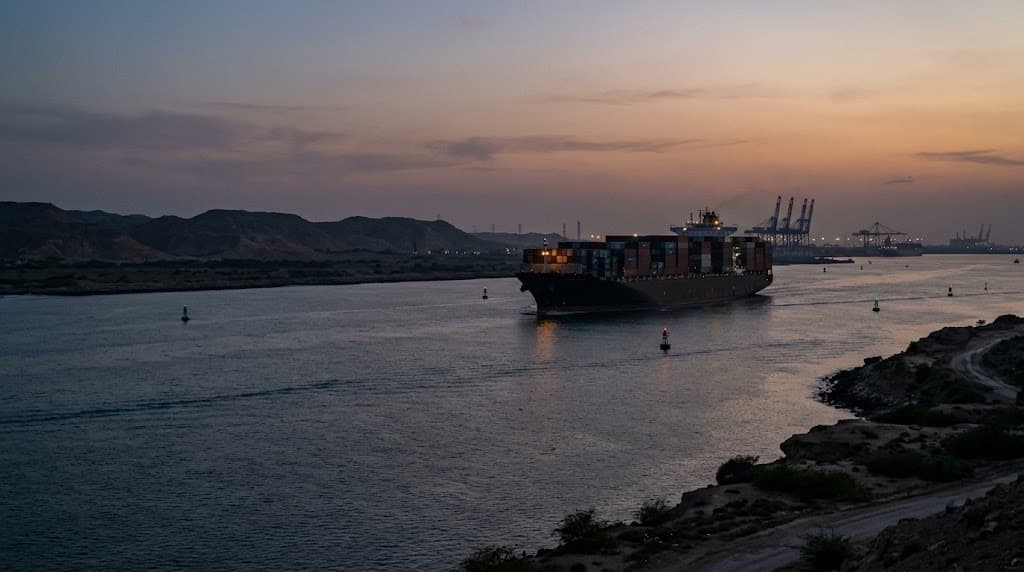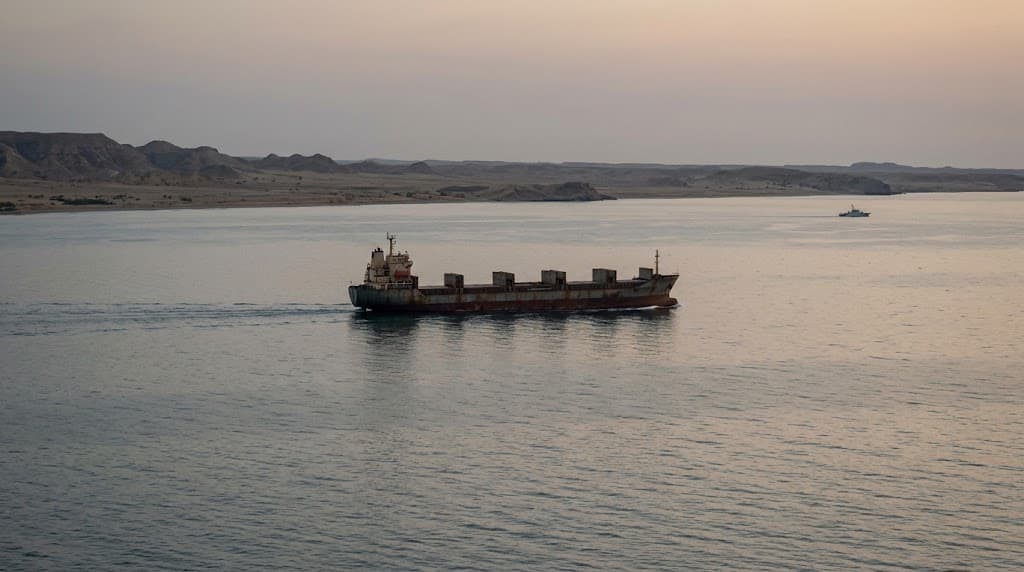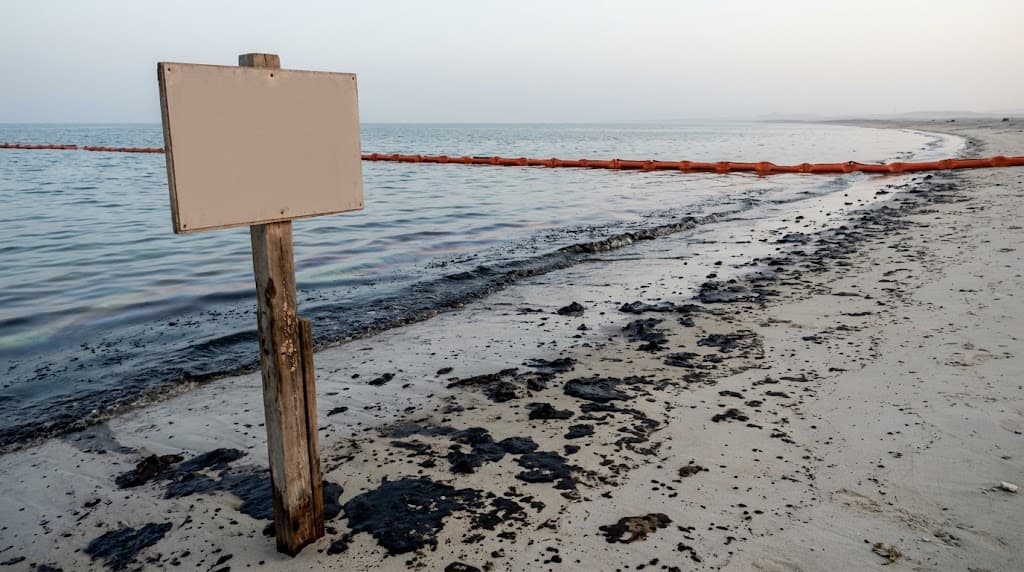
A UAE oil spill from a crude oil tanker damaged near the Strait of Hormuz is still spreading along the United Arab Emirates coastline, and some beaches and coastal areas have been closed. Satellite images showed the slick had moved more than 35km (22 miles) from the tanker by Wednesday. UAE authorities said the oil is affecting beaches near the northern city of Umm Al Quwain, and researchers say it is too early to measure the full damage.
Where the slick is and what officials say
Satellite images first showed the start of the spill from a ship whose location and dimensions match Gem No.2, a Panama-flagged crude oil tanker. That identification comes from analysis of the ship's size and position, not from an official statement. The vessel was damaged between 9 and 10 October, during a record surge of ship attacks in the area that security experts linked to Iran's effort to assert greater control over the strait.
A much smaller leak was first seen coming from the ship on 19 October. Radar satellite imagery reviewed by a verification team and the intelligence firm MAIAR shows the slick spreading rapidly over about two days. Verified video from Friday shows oil washing ashore and turning the water black.
The UAE’s Ministry of Climate Change and Environment said on Thursday that it “immediately began containment” in order to “limit environmental impacts.” The attacker has not been officially identified, and Iranian state media said the ship had been trying to leave the strait by an “unauthorized and dangerous route.”
Risks to marine life
Oil can kill marine animals quickly, for example by trapping turtles, smothering seabird feathers or damaging fish gills. Prof Steve Widdicombe, director of the Sharjah Marine Science Research Centre, said it was “inevitable that there will be an impact.” He warned that animals exposed to toxic compounds from the oil over time could struggle to reproduce.
The UAE oil spill now extends towards Siniyah and Khor Al Beidah islands, a globally recognised Key Biodiversity Area with corals, seagrasses, saltmarshes, green turtles and the critically endangered Halavi guitarfish. Eoghan Darbyshire, a scientist at the Conflict and Environment Observatory, called the nearness of the spill to that area the “most concerning environmental angle.” Researchers stress that the final impact depends on how much oil was spilled, what type it is, how fast it evaporates or breaks down, and how well the clean-up works.
The incident follows an earlier oil slick that washed up on Iran’s Qeshm Island in August, which experts said threatened wildlife, protected ecosystems and fishing communities.
Timeline: what has happened so far
- August: A major oil slick washes up on the shores of Iran’s Qeshm Island.
- 9 October: Vanguard, a maritime intelligence firm, says Gem No.2 was struck by an unknown projectile just north of Al Jazeera Al Hamra, causing a fire that was later put out.
- 10 October: Verified footage shows crew members running across the deck and putting on lifejackets as black smoke rises.
- 11 October: The Indian consulate in Dubai says all 22 Indian crew members were rescued.
- 19 October: A much smaller oil leak is first seen emerging from the ship.
Aasan alfaaz mein
UAE ke shumali sahil par tel ka risao phail raha hai, jo Strait of Hormuz ke qareeb ek tanker par hamle ke baad shuru hua. Umm Al Quwain ke qareeb kuch sahil aur coastal ilaqe band kar diye gaye hain, aur tel sahil par aa raha hai. Maahireen ka kehna hai ke samundar ke jaanwaron aur parindon ko khatra ho sakta hai, lekin asal nuqsan abhi tay nahi hua. Agar aap UAE ke in sahilon par jaane ka soch rahe hain, to pehle local notices zaroor dekh lein.