Pakistan is trying to bring foreign capital into its mining sector, betting that rising global demand for copper, lithium and gold will make its underground resources more attractive to investors. Pakistan mining sector investment opportunities are being pitched through regulatory changes, a large copper-gold project and a forum set for November, but the real test is whether announcements become funded mines. Here is what the plan involves, what it could mean for the economy, and where the uncertainties lie.
Is Pakistan rich in minerals? On paper, yes. An estimate puts the country's mineral wealth at $8 trillion, and 92 minerals have been identified, of which 52 are extracted commercially. Yet mining contributes only about 3.2 per cent of gross domestic product (GDP), the total value of goods and services produced in the economy, and closing that gap is the core of the government's plan.
Demand is the reason for the timing. Minerals such as copper and lithium feed electric vehicles, renewable energy systems and battery storage, and buyers are competing for dependable supplies. Turning that potential into income, however, requires regulatory reform, infrastructure and patient long-term capital rather than geology alone.
Reko Diq and a new lithium lead
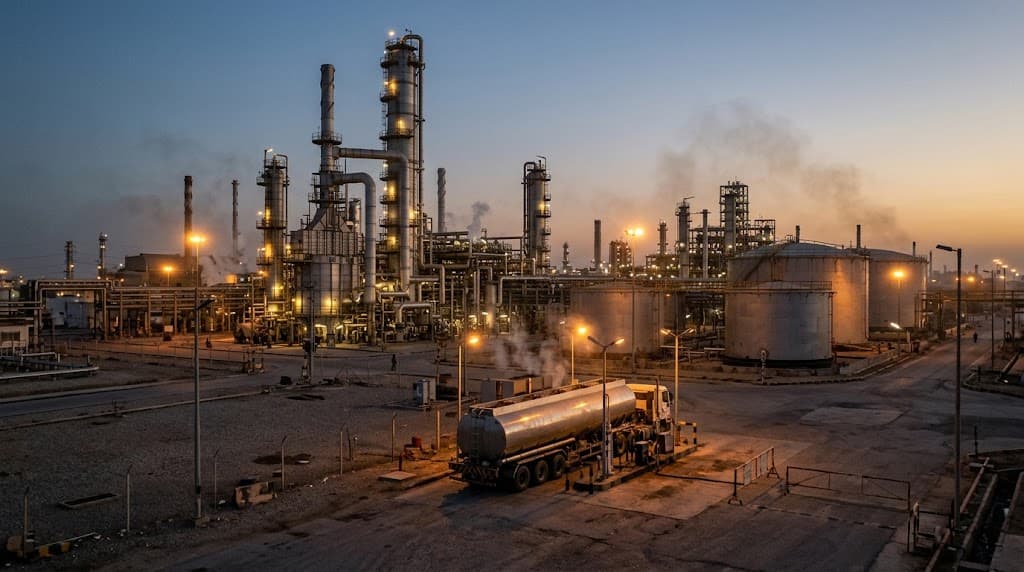
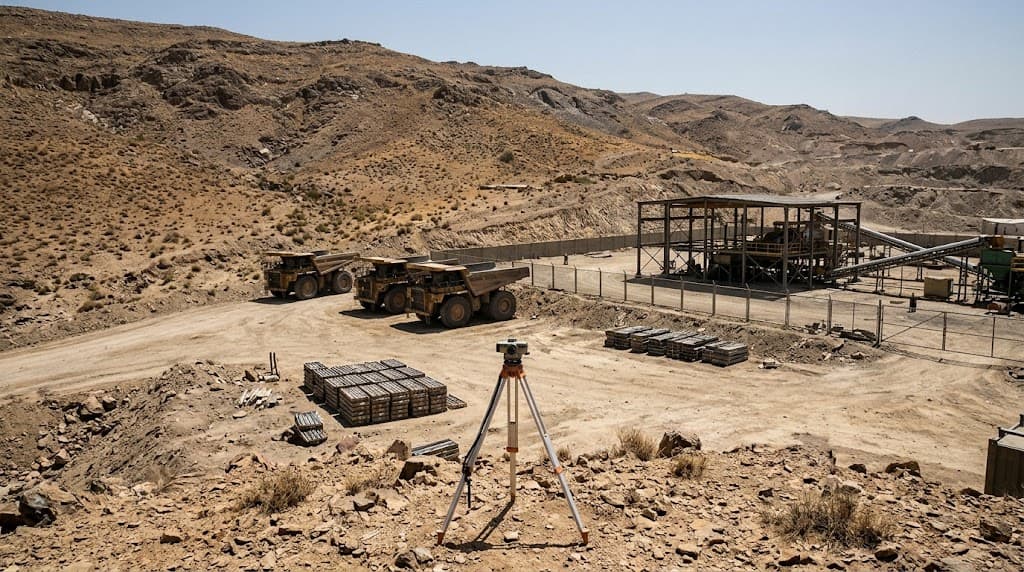
The Reko Diq copper-gold project sits in Chagai district of Balochistan and is central to the effort. Barrick Mining Corporation holds half the stake, Balochistan's provincial government holds a quarter, and three Pakistani state-owned enterprises together hold the rest. The updated study, completed in February 2025, puts the upfront cost at $8.83 billion and projects a 37-year operating life, with first output projected for late 2028.
These are projections, and real returns will hinge on build costs, how the mine performs once running and global commodity prices. The project could support exports, government revenue and jobs, but those benefits depend on execution.
In July 2026, OGDC, a state-owned oil and gas firm, reported finding lithium in water brought up alongside geothermal energy from a well in Sindh. The company said more technical work was under way to gauge how large the find is. It is not yet clear whether producing the metal from it would make economic sense.
Rules, data and the November forum
The National Minerals Harmonisation Framework, introduced in 2025, aims to get federal and provincial authorities working in step, simplify licensing and make mining rules more uniform. Officials are also trying to make geological data easier to reach and to push more processing and refining inside the country, so that more of the value stays at home.
Investors will look for steady rules, clear permits, dependable infrastructure, safety on the ground and workable ways to settle disputes. Environmental protections and dialogue with communities near mineral-rich areas are also treated as central to growing the sector responsibly.
The Pakistan Minerals Investment Forum is set for November 12-13 this year at Islamabad's Jinnah Convention Centre. Investors and mining firms, along with officials, are expected to discuss exploration, processing and investment. The inaugural edition drew more than 5,000 delegates from over 50 countries and produced 16 memorandums of understanding and agreements, according to figures provided for that event.
For anyone tracking Pakistan mining sector investment opportunities, the forum is the next checkpoint. The true measure will be whether signed deals turn into financed mines and actual production.
Aasan alfaaz mein
Pakistan apni madni dolat ke liye bahar se sarmaya lana chahta hai. Ek andaze ke mutabiq mulk mein 8 trillion dollar ki madni daulat hai, lekin mining ka GDP mein hissa abhi lagbhag 3.2 fisad hai. Reko Diq aur Sindh mein lithium ki khoj se umeed barhi hai, lekin naukriyan aur paisa tab aayega jab kaam shuru hoga. Pakistan Minerals Investment Forum 12-13 November ko Islamabad mein hoga.