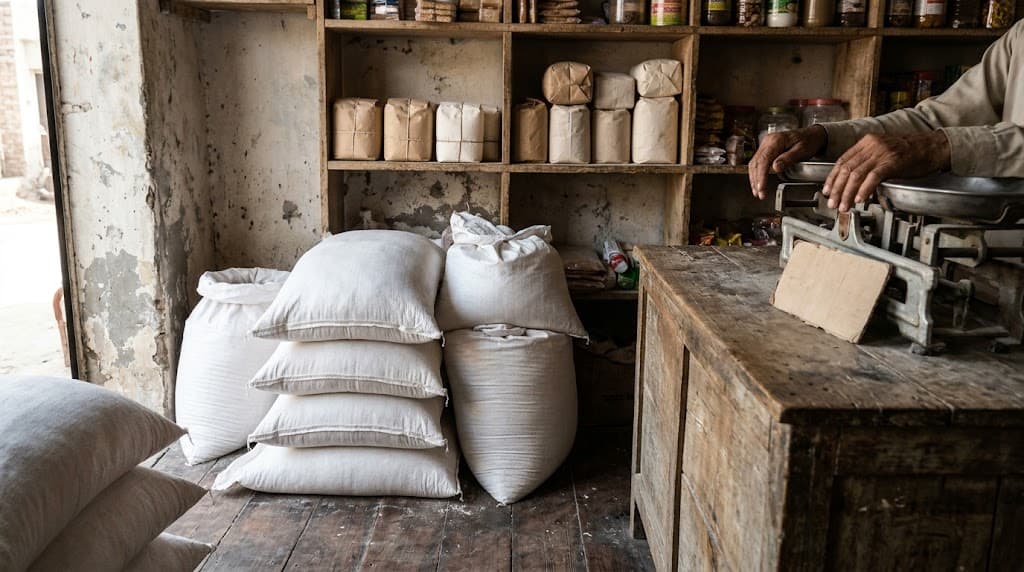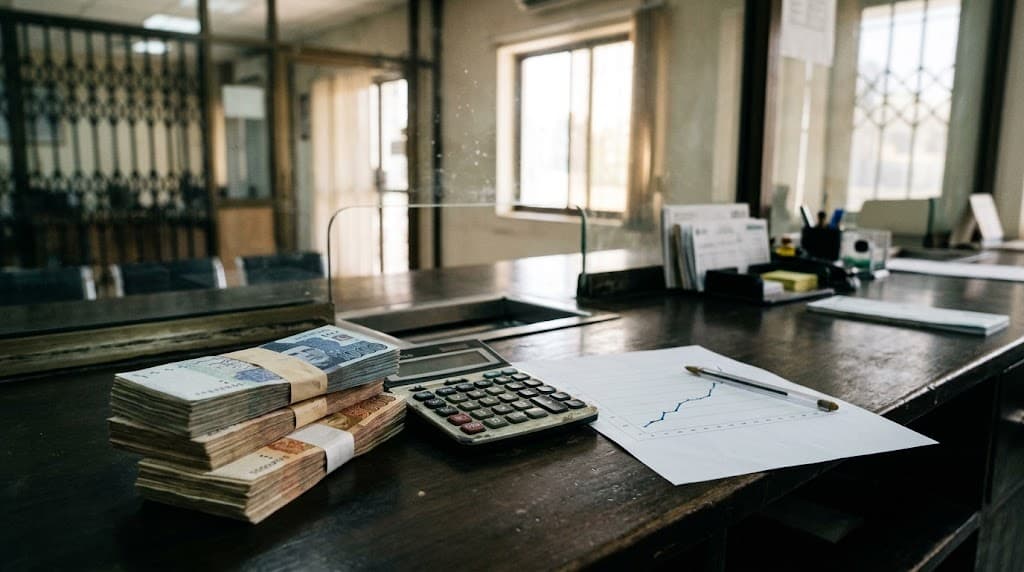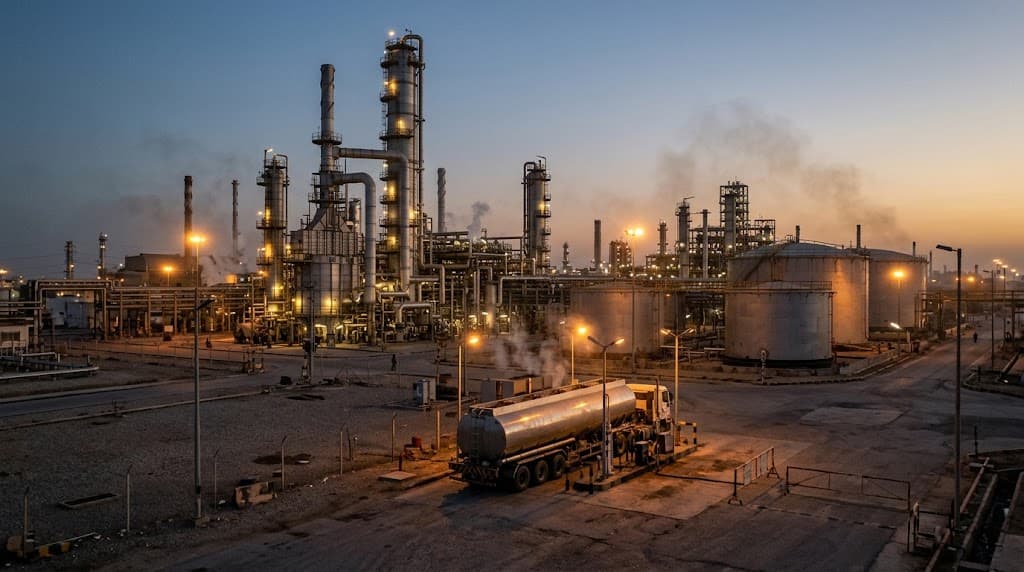
Pakistan oil refineries profit rose sharply in the July-September quarter, with the country's three listed refineries reporting year-on-year growth of more than 1,000 percent. The period is labelled 1QFY27, meaning the first quarter of fiscal year 2027, since Pakistan's fiscal year runs from July to June. Pakistan Oilfields and Attock Petroleum also reported higher earnings for the quarter, although their increases were much smaller.
How much each refinery earned
Pakistan oil refineries profit growth was uneven across the three companies. Pakistan Refinery posted the sharpest percentage jump, with net profit of Rs13.97 billion against Rs1.02 billion a year earlier, a rise of about 1,274 percent. Attock Refinery Limited earned the largest amount, Rs18.65 billion, up about 1,184 percent from Rs1.45 billion in the same quarter last year. National Refinery Limited's profit reached Rs11.57 billion, compared with Rs1.03 billion, which works out to growth of about 1,029 percent.
The two other listed companies grew more modestly. Pakistan Oilfields reported net profit of Rs8.19 billion, up from Rs5.43 billion, an increase of about 51 percent. Attock Petroleum's net profit rose roughly 74 percent, to Rs6.64 billion from Rs3.81 billion.
What drove the jump in earnings
Company results point to a windfall for the refining sector that began after the Petroleum Division moved to daily fuel price updates on 18 July 2026. The main drivers were stronger international refining margins, inventory gains and higher product sales, as global supply worries linked to the US-Iran and Russia-Ukraine wars pushed up prices. A refining margin is roughly the gap between what a refinery earns from its products and what it pays for crude oil, while inventory gains arise when fuel bought at lower prices is later valued at higher ones.
According to Arif Habib Limited, total refinery upliftment rose 37.3 percent year-on-year to 3.192 million tonnes during the quarter. Industry capacity utilisation reached 59.5 percent in September, compared with 50.7 percent a year earlier. Brokerage estimates released before the results put average gross refining margins at about $30 per barrel, with diesel the strongest contributor at an estimated $55 to $57 per barrel.
These figures are pre-results estimates, not company-reported numbers. The earnings of oil producers and petroleum marketers have different drivers, so their profit increases should not be attributed entirely to refining margins.
Diesel pricing ceiling could tighten margins
The government lowered the maximum high-speed diesel (HSD) crack spread, the margin allowed in domestic diesel pricing, to $38 per barrel from $41.89 on October 20. The revised ceiling replaced an earlier arrangement that was due to expire around that date. Topline Securities reported the change after it appeared in pricing data from the Oil and Gas Regulatory Authority (OGRA), and the change was confirmed with a refinery company. The revised limit could put pressure on refining margins in the next quarter.
Aasan alfaaz mein
Teen listed refineries ka munafa July-September quarter mein 1,000 percent se zyada barh gaya hai, jabke Attock Refinery ka munafa Rs18.65 billion raha. Yeh tezi zyada tar refining margins aur stock ki qeemat barhne se aayi hai. Yeh company ka munafa hai, is se ghar mein petrol ya diesel ki qeemat khud nahi badalti. Lekin hukumat ne 20 October se diesel ke pricing ceiling ko $38 per barrel kar diya hai, jis se agle quarter mein refinery munafe par dabao aa sakta hai.