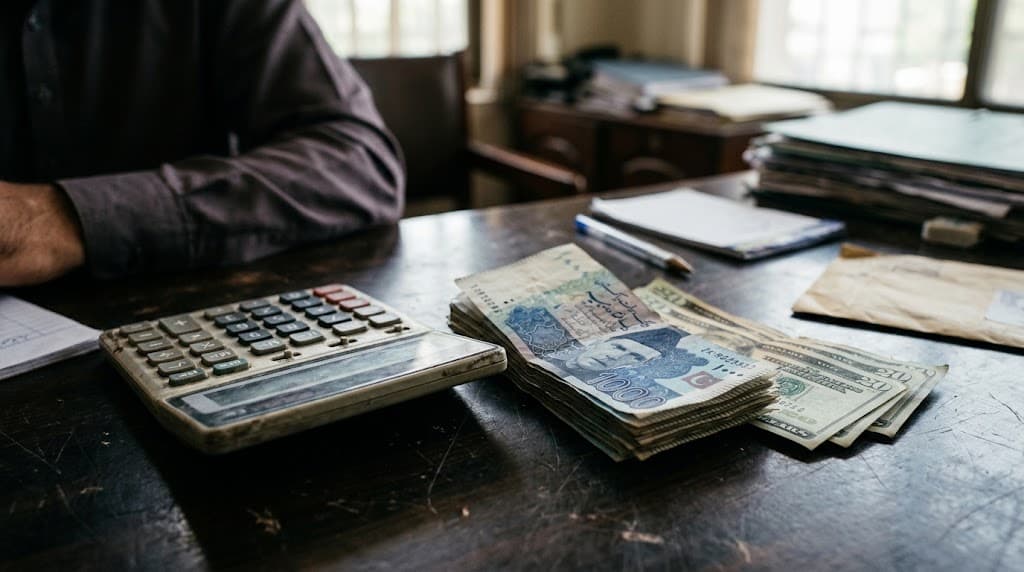
Pakistan's debt interest payments reached Rs490 billion in the first nine months of the last fiscal year, according to documents submitted to the National Assembly, the country's lower house of parliament. The figure, covering both domestic and foreign debt, points to a growing burden of debt servicing on the national exchequer, meaning the government's funds. The Ministry of Finance submitted the papers, which also set out how foreign loans are being used and how large projects funded from abroad are moving ahead.
Where the foreign loans went
The largest share of external borrowing went to balance of payments and cash support, with $11.42 billion allocated for these purposes. Balance of payments is the gap between what a country pays abroad and what it receives from overseas, and loans of this kind help the state meet those payments. Another $3.09 billion went to energy projects, and $1.69 billion was used for flood rehabilitation.
Major projects financed from abroad
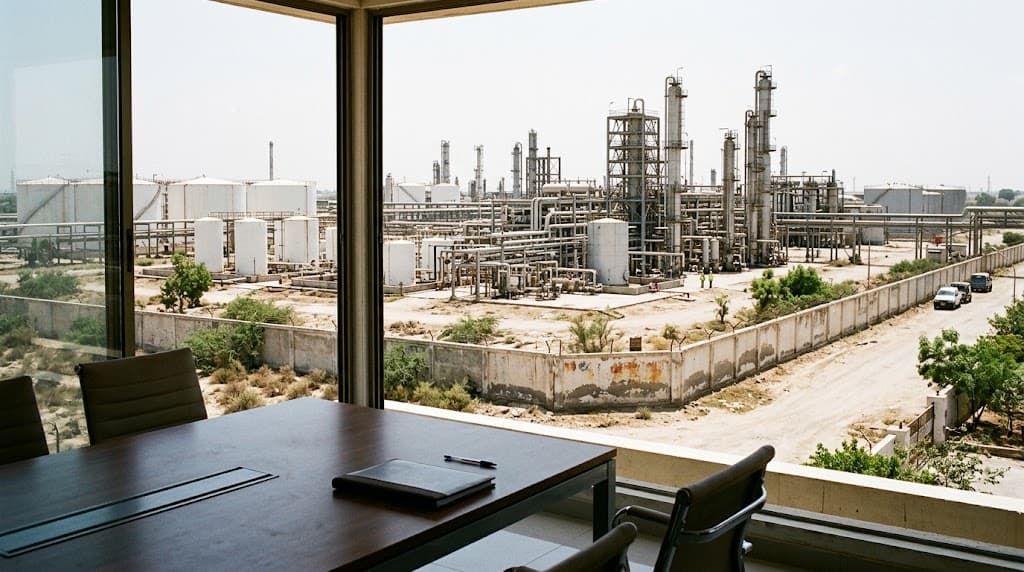
The Ministry of Finance said 14 major national projects are being financed through external borrowing, with a combined value of $11.86 billion. Seven major projects under the Ministry of Energy are also being developed with foreign loans. The documents list a $3.38 billion Saudi Oil Facility programme and a $2 billion financing programme from the International Islamic Trade Finance Corporation for oil and liquefied natural gas (LNG).
Several energy and infrastructure schemes are on the list. They include $247.6 million for the Jamshoro power project, $475 million for the Tarbela extension, $225 million for the Dasu hydropower project and $93.22 million for the Mohmand Dam project. A $192.87 million loan supports the Transmission Modernisation Project, while the Sukkur-Multan Motorway and the Karachi Mobility Project are also being financed through foreign borrowing. A $1.5 billion Building Resilience programme is among the initiatives backed by external financing, and projects in higher education, climate change and natural disaster management are also supported.
Debt servicing in context
Pakistan has relied on foreign borrowing for many years and is currently in an International Monetary Fund (IMF) programme, a lending arrangement with the global lender that comes with economic conditions. Debt servicing covers the interest and principal a government must pay on money it has borrowed. The documents show that the cost of this borrowing is now a large and visible part of federal spending, which is why the timing and value of each project matters.
Aasan alfaaz mein
Pakistan ne pichle mali saal ke pehle nau mahinon mein domestic aur foreign qarz par Rs490 billion sood ada kiya, jo National Assembly mein pesh kiye gaye documents mein bataya gaya. Bahar se liye gaye qarz ka zyada hissa balance of payments aur cash support par kharch hua, jab ke kuch hissa energy aur sailab ke baad ki bahali par gaya. Sarkar ke 14 bade projects bhi bahar ke qarz se chal rahe hain. Aam shehri ke liye iska matlab hai ke qarz ka bojh bajat aur development ke faislon par asar daal sakta hai.