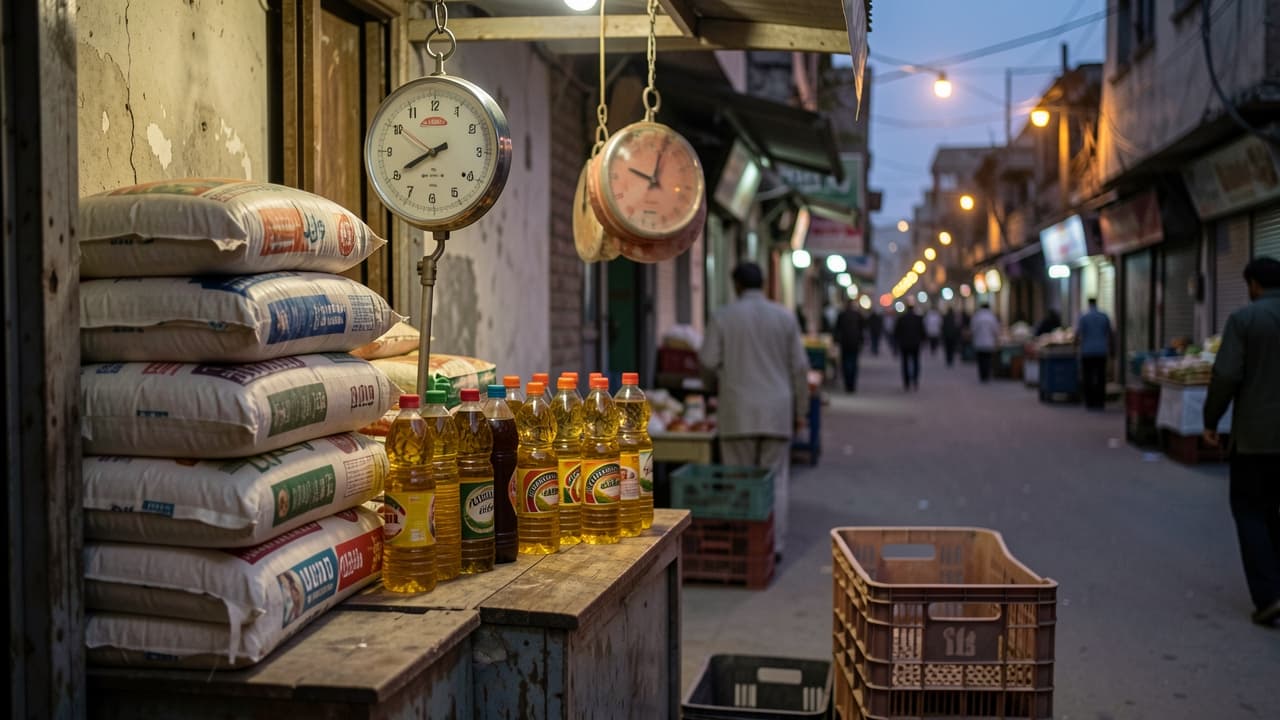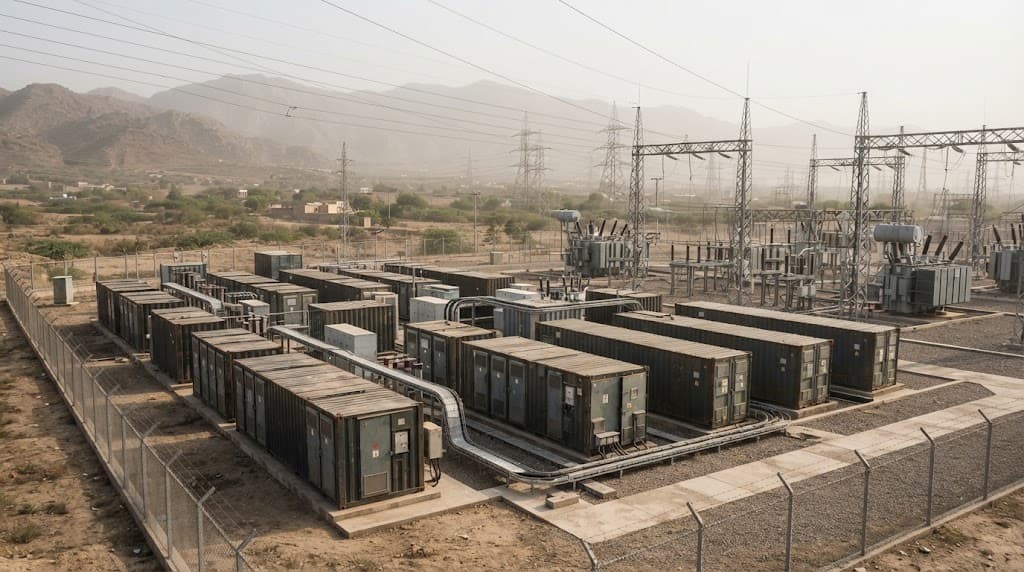
Pakistan imported more than 4.5 gigawatts (GW) of battery storage equipment in the first six months of 2026 alone — almost half of the country’s entire cumulative historical imports of 9.5GW — a Pakistan Solar Association representative told a parliamentary energy dialogue in Islamabad.
The surge in battery storage imports, speakers said, is being driven by households and factories trying to escape high electricity tariffs. The figures framed a sitting of the Parliamentary Forum on Energy & Economy on how storage should be planned, taxed and regulated.
Why imports are rising so fast
Convener Sher Ali Arbab, MNA, called battery storage central to power-sector planning for the next two decades. He said the country is generating costly electricity that sits underused in daytime peaks, even as electric vehicles spread and more than 40 data centres expand. He urged a transparent legislative framework built on cross-party consensus rather than short-term fixes.
Industry members described a parallel squeeze. Chaudhry Mubeen Arif Jutt, MNA, speaking with Asad Alam Niazi, MNA, said factory owners are putting up to twice as much capital into captive solar and battery systems as into production machinery, just to keep power affordable and stay competitive with foreign rivals. He warned that without market-driven procurement signals from the Energy Division, utilities may end up punishing both off-grid users and poorer consumers who cannot buy storage.
Safety, tariffs and who can afford batteries
Co-convener Dr Nafisa Shah, MNA, cautioned against an unregulated rush. Pakistan, she said, must not become a dumping ground for sub-standard, dangerous battery imports lacking safety standards, testing capacity or recycling rules, and policy should keep clean-energy gains within reach of low-income households.
Moderator Usama Mela flagged “grid defection”: battery energy storage systems (BESS — large batteries that store and release electricity) could pull more consumers off the national grid each year, he said, raising financial pressure on utility tariffs unless the shift is managed.
Engr. Chaudhry Uzair, vice chairman of the Pakistan Solar Association, challenged claims that storage is widely affordable. He said storage equipment faces a cumulative tax and customs burden of about 35% to 40%, while a basic 5 kilowatt-hour (kWh) battery costs upwards of Rs250,000 — unrealistic, he argued, for lower-income homes.
Power Division plans pilot projects
Syed Faizan Shah, advisor to the Power Division, said that within 15 days the ministry would launch competitive tenders for four 10 megawatt-hour (MWh) pilot BESS projects across LESCO, MEPCO, IESCO and PESCO — the Lahore, Multan, Islamabad and Peshawar-area distribution companies. He added that NEPRA, the power regulator, is formally treating battery storage as a regulated asset, which he said would let distributors ease overloaded transformers at about half the capital cost of building new grid stations.
Amir Zia, chairman of LESCO, described daytime stress on the network: distribution transformers face up to 70% reverse solar flow by day, then sharp evening demand. Batteries, he said, are needed to store daytime surplus and release it at night peaks.
Timeline: what has happened so far
- Cumulative to date: Historical battery storage imports stand at 9.5GW, according to the association figure cited at the dialogue.
- January–June 2026: Pakistan imported over 4.5GW of battery storage equipment — nearly half of that all-time total.
- Parliamentary dialogue (Islamabad): Lawmakers, utilities and industry debated standards, taxation, grid defection and industrial capital diversion into captive solar-plus-storage.
- Within 15 days of the Power Division announcement: Competitive tenders planned for four 10 MWh pilot BESS projects at LESCO, MEPCO, IESCO and PESCO; NEPRA moving to recognise storage as a regulated asset.
Aasan alfaaz mein
Pakistan ne 2026 ke pehle chheh mahine mein 4.5 gigawatt se zyada battery storage import kiya hai — yeh ab tak ki kul imports ke qareeb aadha hissa hai. Log aur factories mehengi bijli se bachne ke liye batteries laga rahe hain. Ek chhoti 5 kWh battery Rs250,000 se upar padti hai, is liye gharib gharanon ke liye abhi bhi mehngi hai. Sarkar char chhote pilot projects tender karne wali hai, lekin safety rules aur sasta power system dono zaroori hain.