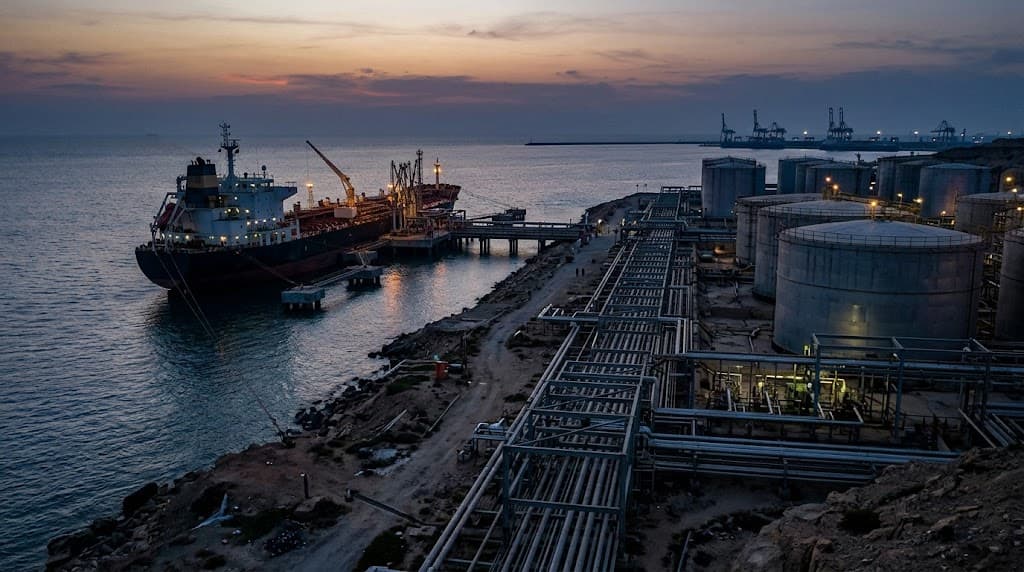
The World Bank warns Pakistan that a prolonged Middle East conflict could add to economic pressure by keeping energy prices high, raising import costs and draining foreign exchange reserves. In its Pakistan Development Update, the lender says the conflict is the largest near-term risk to the country's macroeconomic outlook.
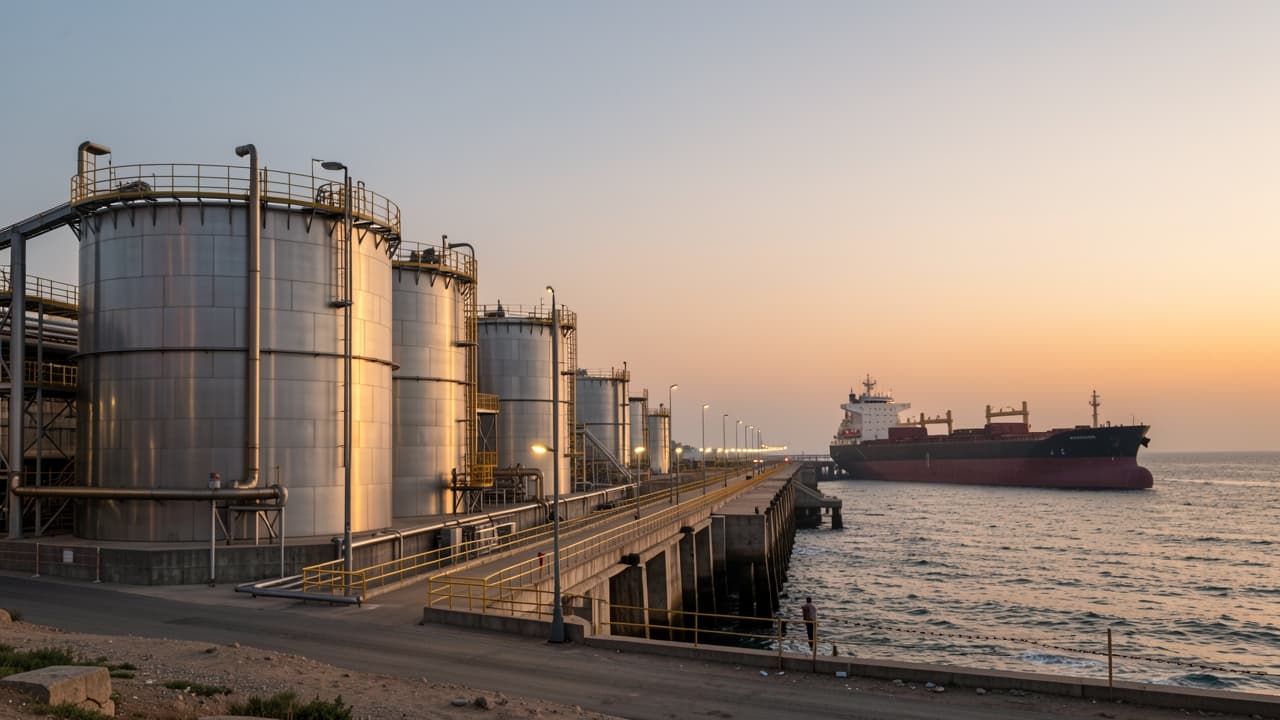
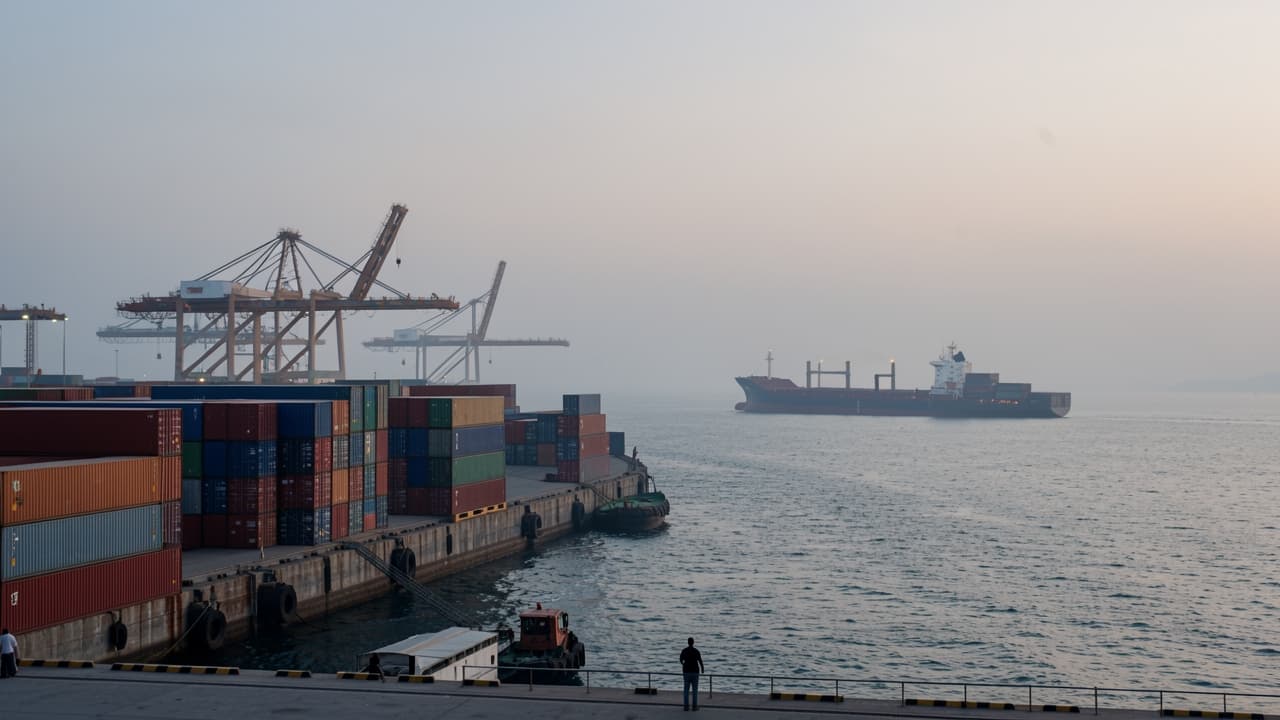
The fighting started on February 28, 2026, when the US and Israel launched strikes on Iran. Tehran retaliated with attacks on Israel and on American assets elsewhere in the region. Traffic in the Strait of Hormuz, a passage that carries energy cargoes vital to the world, was thrown into disruption.
Energy imports and the external account
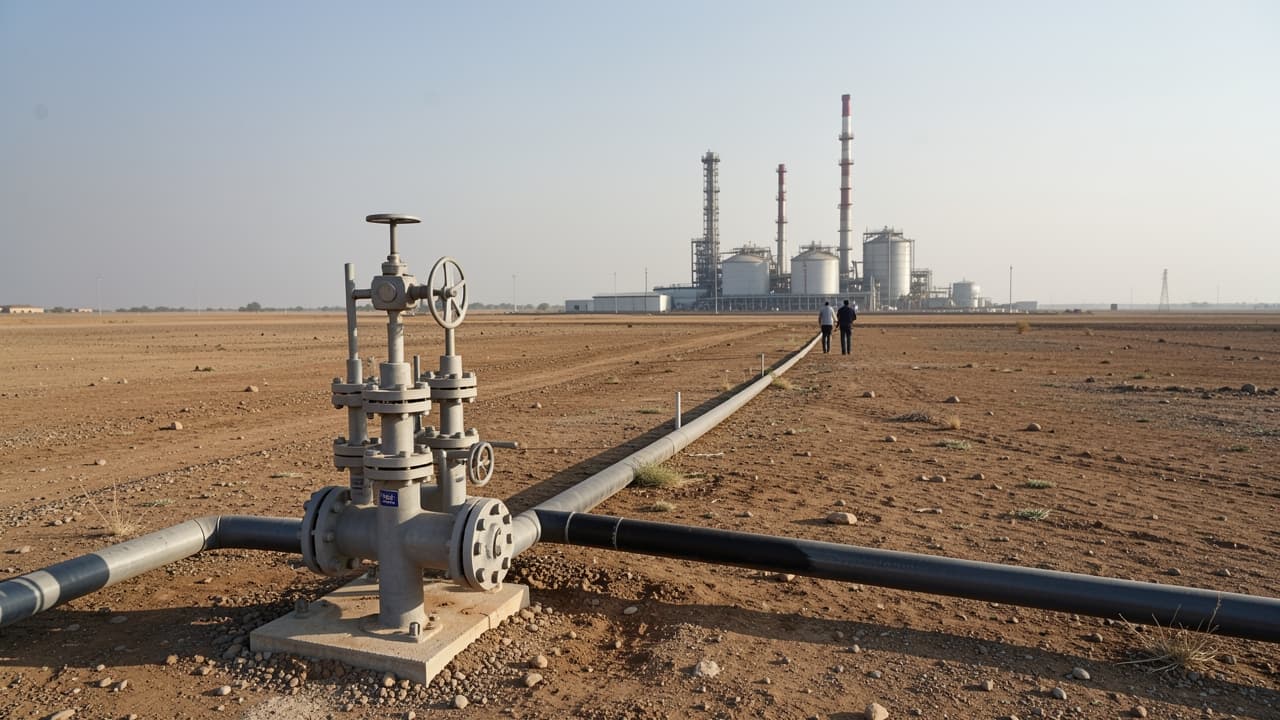
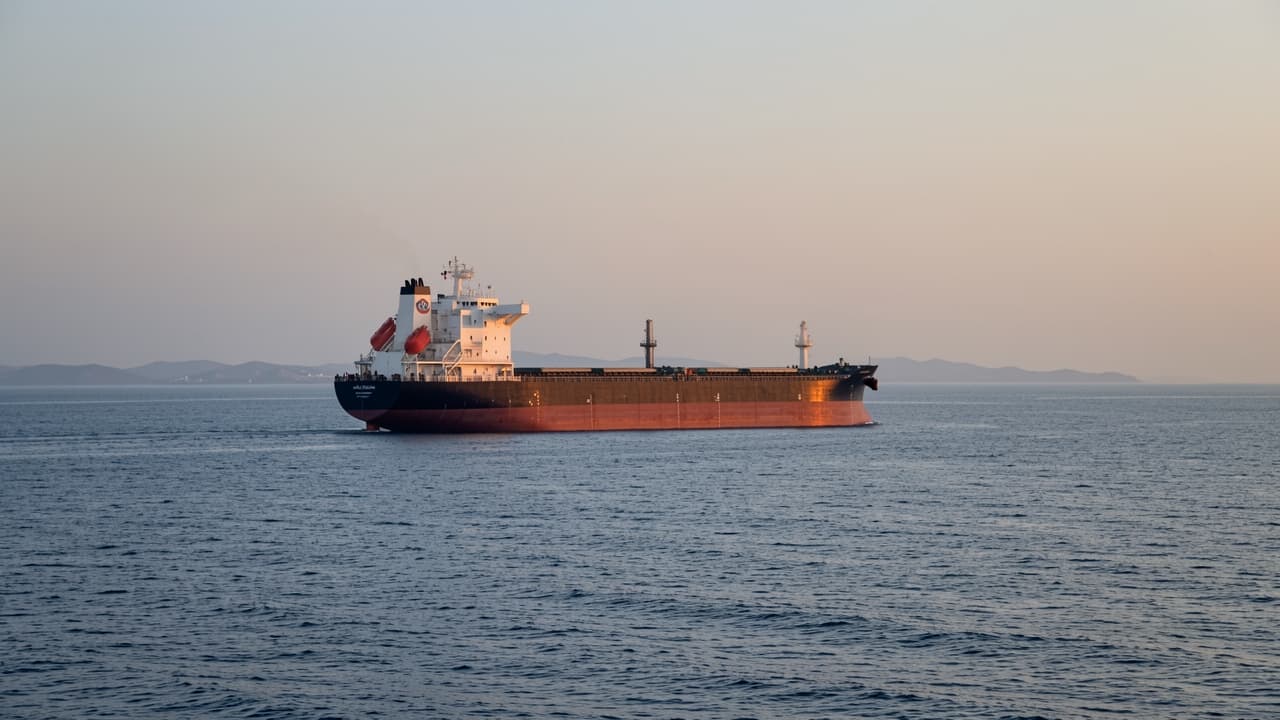
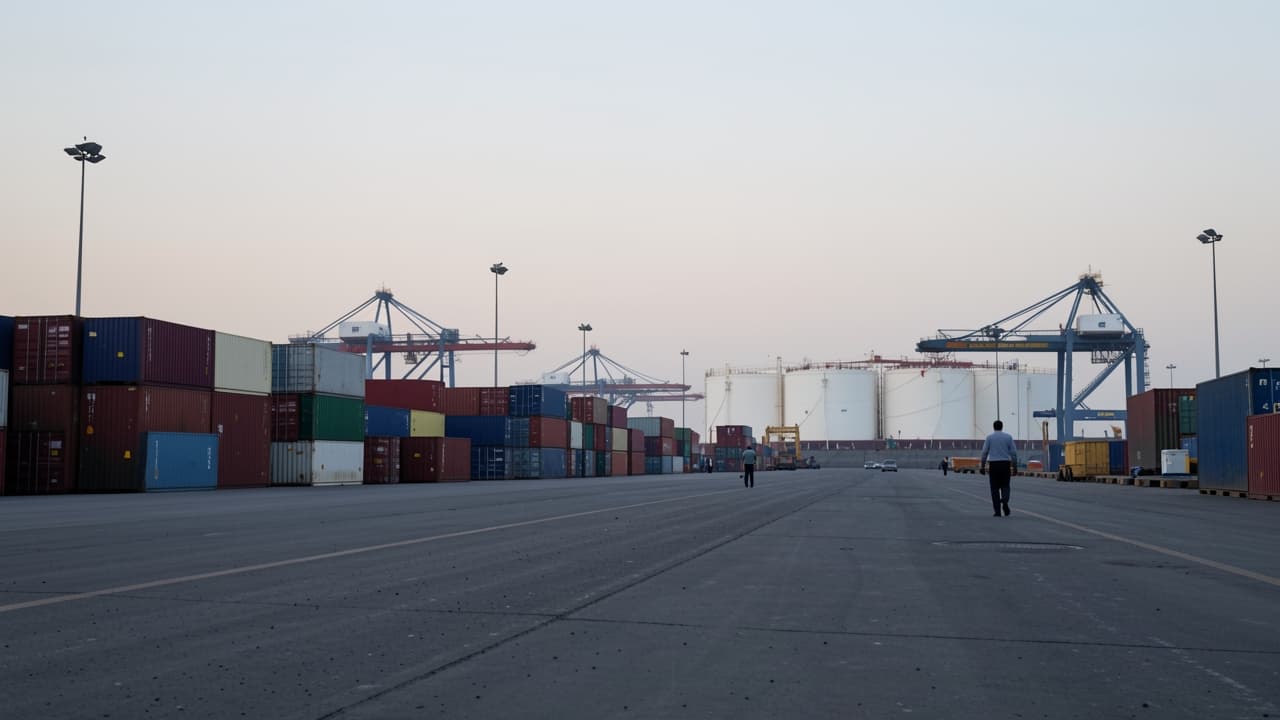
In fiscal year 2025, which runs from July to June in Pakistan, energy products made up about a quarter of what the country imported, equal to 3.7% of gross domestic product (GDP, the total value of goods and services produced in a year). A group of Gulf states, known as the Gulf Cooperation Council (GCC), supplied roughly 80% of those energy imports.
Between January and June 2026, the petroleum import group grew 9.2% from a year earlier, and the crude petroleum import bill jumped 46.4% in the same months. By the close of June 2026, oil and liquefied natural gas (LNG, gas chilled into liquid form for shipping) prices were well above their levels before the conflict.
The World Bank cautioned that prolonged high prices could push up the gap between what Pakistan pays abroad and what it earns, known as the current account deficit. Such pressure could also draw down foreign exchange reserves, the foreign currency held by the central bank.
Inflation, trade and the El Nino risk
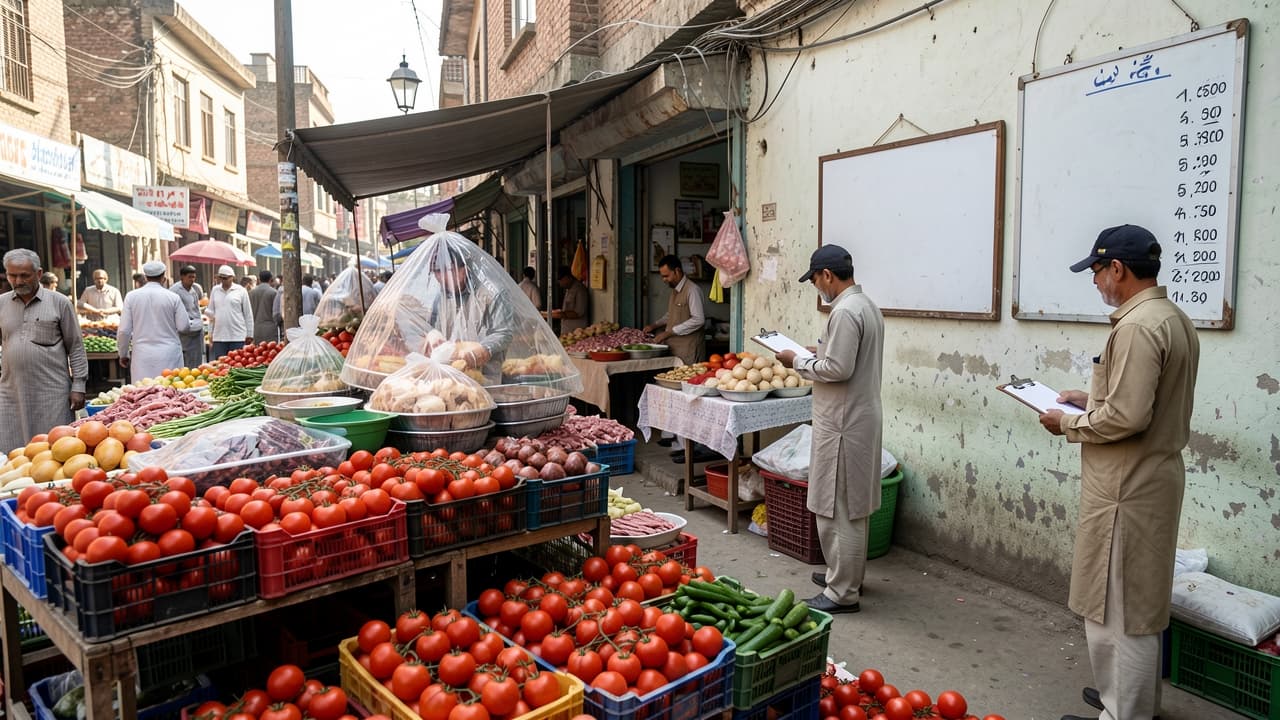
Higher costs for imported inputs could fuel inflation and reduce what households can afford. Trade disruptions, combined with softer demand for Pakistani exports, could also slow economic activity.
The World Bank warns Pakistan of a second risk as well: a stronger-than-expected El Nino could hurt farm output and growth. El Nino is a recurring climate pattern in which Pacific Ocean surface waters warm, shifting rainfall and temperatures in different regions and raising the chance of droughts, heatwaves or heavy rain.
The bank's central forecast has real GDP growth at 3.8% in FY2027. In a conditional scenario, if crop output stops growing altogether, growth would fall by 0.2 percentage points, to 3.6%. That case is a what-if, not the baseline forecast.
The bank also noted that Pakistan's existing reserve cushion might cover extra imports after a farm shock, but using it could heavily drain foreign currency reserves.
Timeline: what has happened so far
- February 28, 2026: The US and Israel launch strikes on Iran, and Tehran retaliates against Israel and US assets in the region.
- January to June 2026: Pakistan's petroleum import group rises 9.2% year on year, while the crude petroleum import bill rises 46.4%.
- End of June 2026: Oil and LNG prices stand well above pre-conflict levels.
- FY2027: The World Bank's baseline projects real GDP growth of 3.8%, with a 3.6% outcome in its crop-shock scenario.
Aasan alfaaz mein
Middle East ki jang se Pakistan mein tel aur gas ki qeematon mein izafe ka khatra hai, kyunke mulk apni zaroorat ka bada hissa bahar se mangwata hai. World Bank ke mutabiq agar jang lambi chali to import ka bill aur barhega, dollar ke zakhiray par dabao aayega aur mehngai barh sakti hai. Zarai paidawar par El Nino ka asar bhi growth ko kam kar sakta hai. Yeh abhi khatre hain, pakke faisle nahi.