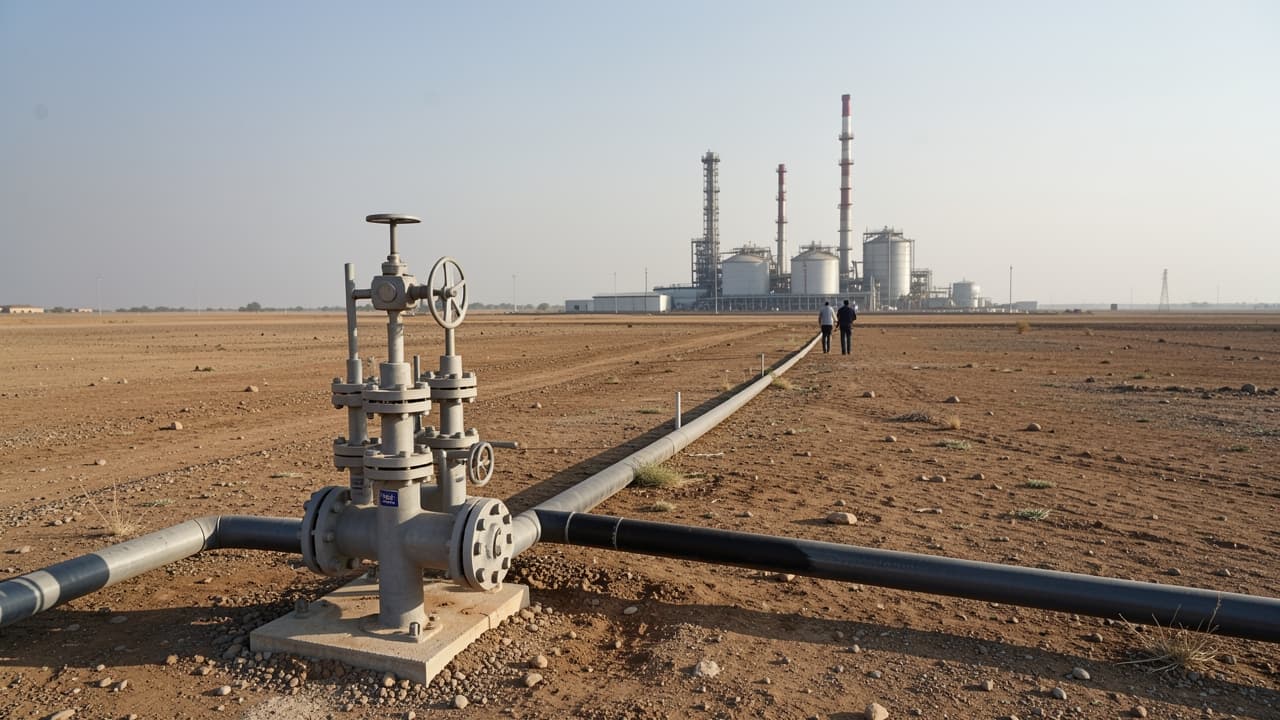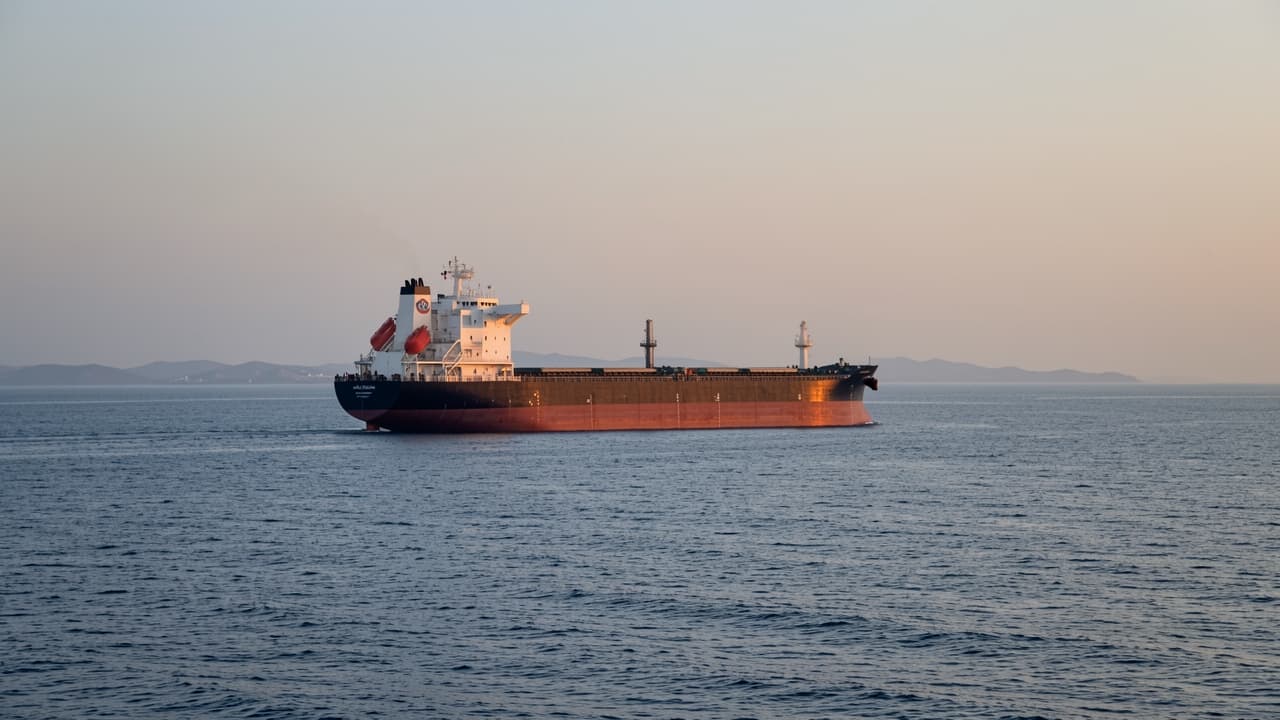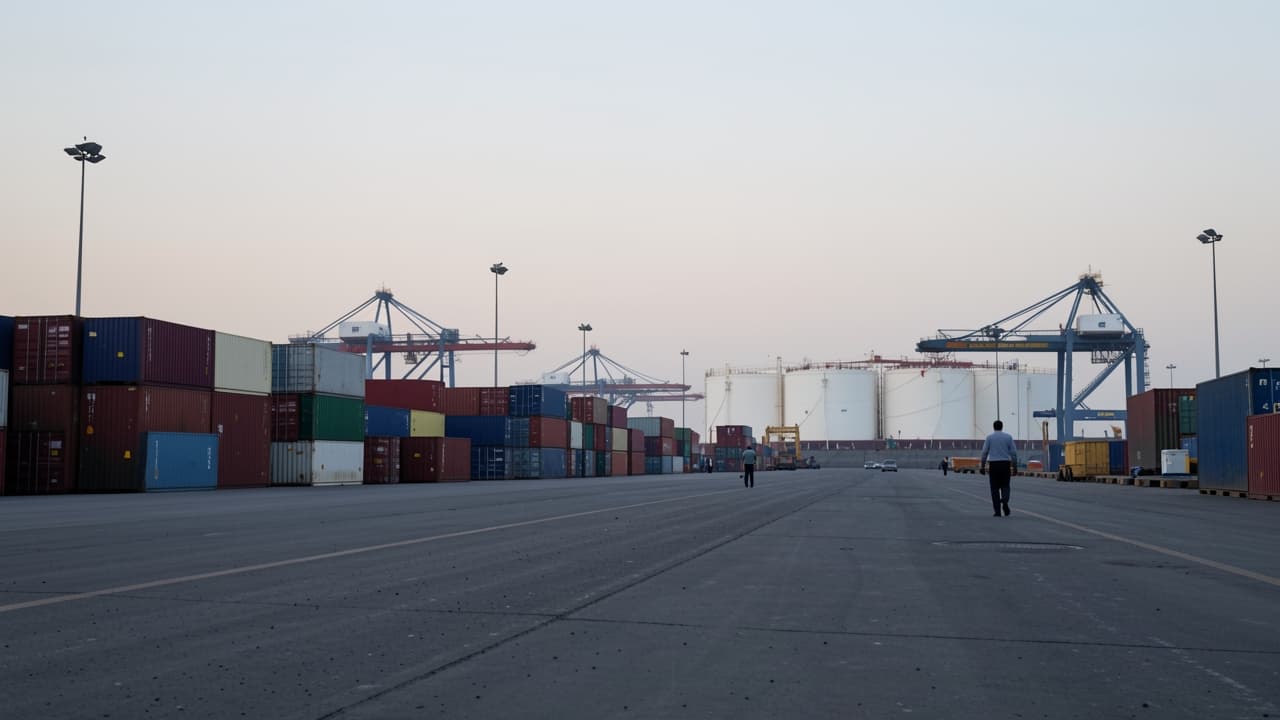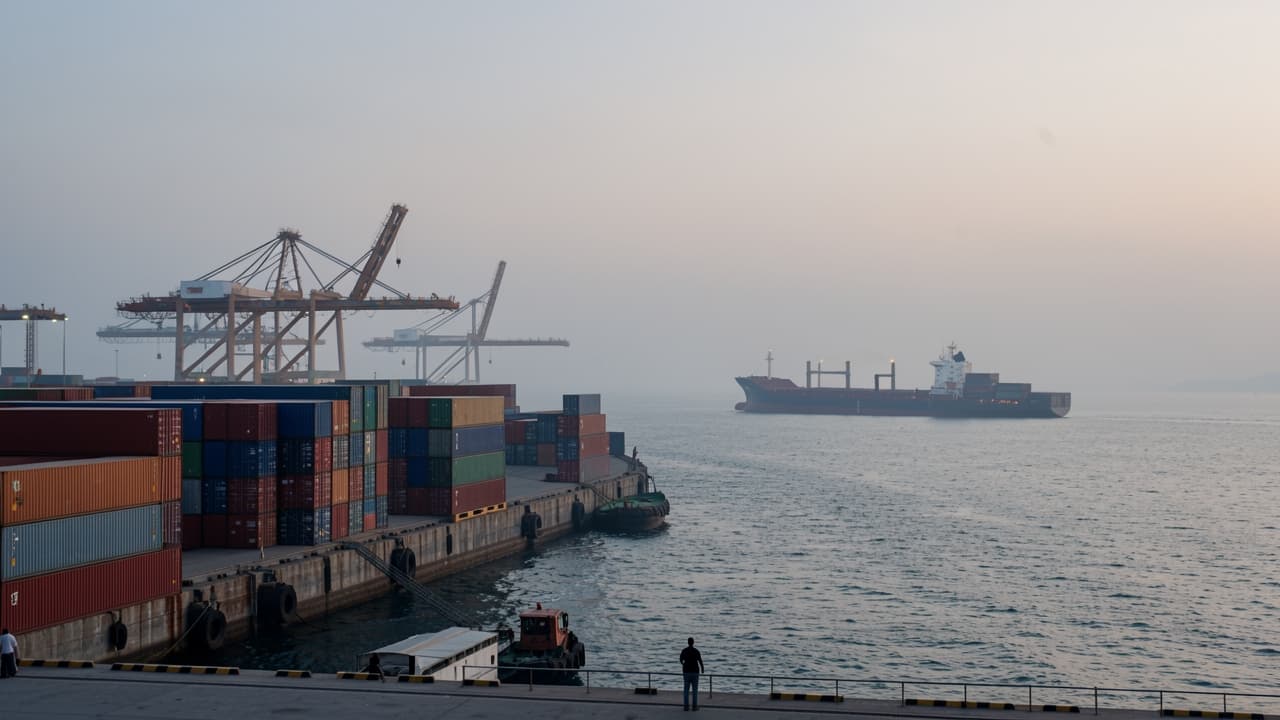
The International Monetary Fund (IMF), the global lender that publishes regular economic assessments of its member countries, expects economic output across the Middle East, North Africa and Pakistan to shrink 1.3% in 2026. The forecast was released in a regional economic outlook in Dubai on Thursday, 22 October. The IMF links the downturn to the war involving Iran, which it says has hurt energy output, shipping lanes, tourism and trade across the region.
What the forecast shows
The fund expects the region to bounce back in 2027, with output projected to grow 6.6%. Even with that recovery, the IMF said output in the affected economies would generally remain below the levels it had projected before the war. Its baseline scenario assumes the fighting eases in early 2027 and that trade gradually returns to normal over the course of the year.
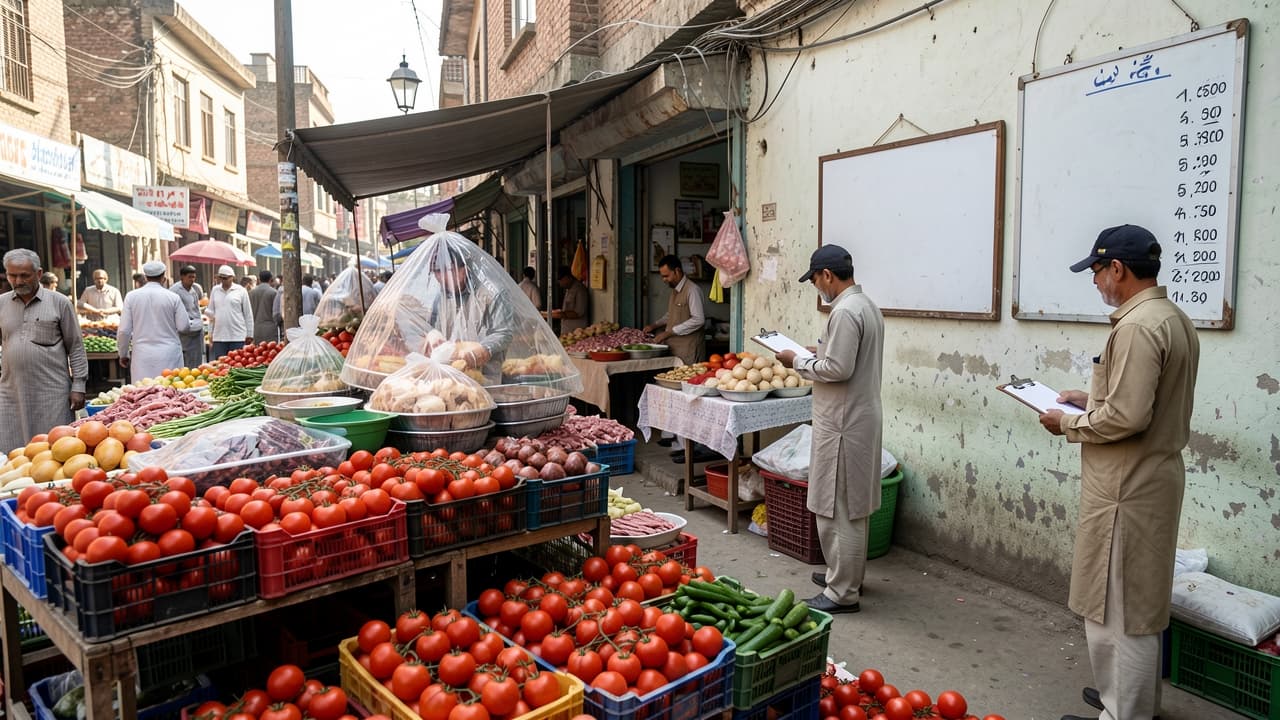
The impact has been uneven. Oil exporting countries have faced greater strain from disruptions to energy production and shipping. Economies that import oil have proved more resilient, the IMF said, supported by domestic demand, remittances from workers abroad, tourism income, favourable financial conditions and policies meant to shield consumers from higher commodity prices.
The 1.3% figure is a combined estimate for the whole region, not a standalone forecast for Pakistan. Pakistan is a net importer of oil, a widely known feature of its economy, but the IMF's remarks on resilience refer to oil importing economies as a group.
Risks and what could change the outlook
The IMF warned that the outlook remains subject to exceptionally high uncertainty. Further disruption to energy production and trade routes could push energy prices higher. Tighter external financial conditions, higher interest rates and concerns about inflation and government finances could add further pressure. The fund also flagged that investors might reassess productivity gains linked to artificial intelligence, which could affect financial conditions.
The IMF urged policymakers to give priority to price stability.
Timeline: what has happened so far
- 22 October 2026: The IMF releases its regional economic outlook in Dubai, forecasting a 1.3% contraction in 2026.
- Early 2027: The IMF's baseline assumes the conflict eases and trade begins returning to normal.
- 2027: Regional output is projected to grow 6.6%, though still below pre-war projections.
Aasan alfaaz mein
IMF ke mutabiq Middle East, North Africa aur Pakistan ki maeeshat 2026 mein 1.3 faisad sikar sakti hai, jis ki wajah Iran jang ke asraat hain. Tel aur shipping par dabao ki wajah se tel pedaar mulkon ko zyada mushkil ka saamna hai, jabkay tel mangwane wali maeeshatein behtar chal rahi hain. IMF ka andaza hai ke 2027 mein behtri aa sakti hai, lekin is ka daromadar jang ke jaldi khatam hone par hai. Aap ke liye iska matlab hai ke qeemton aur rozgar par nazar rakhna zaroori hai.