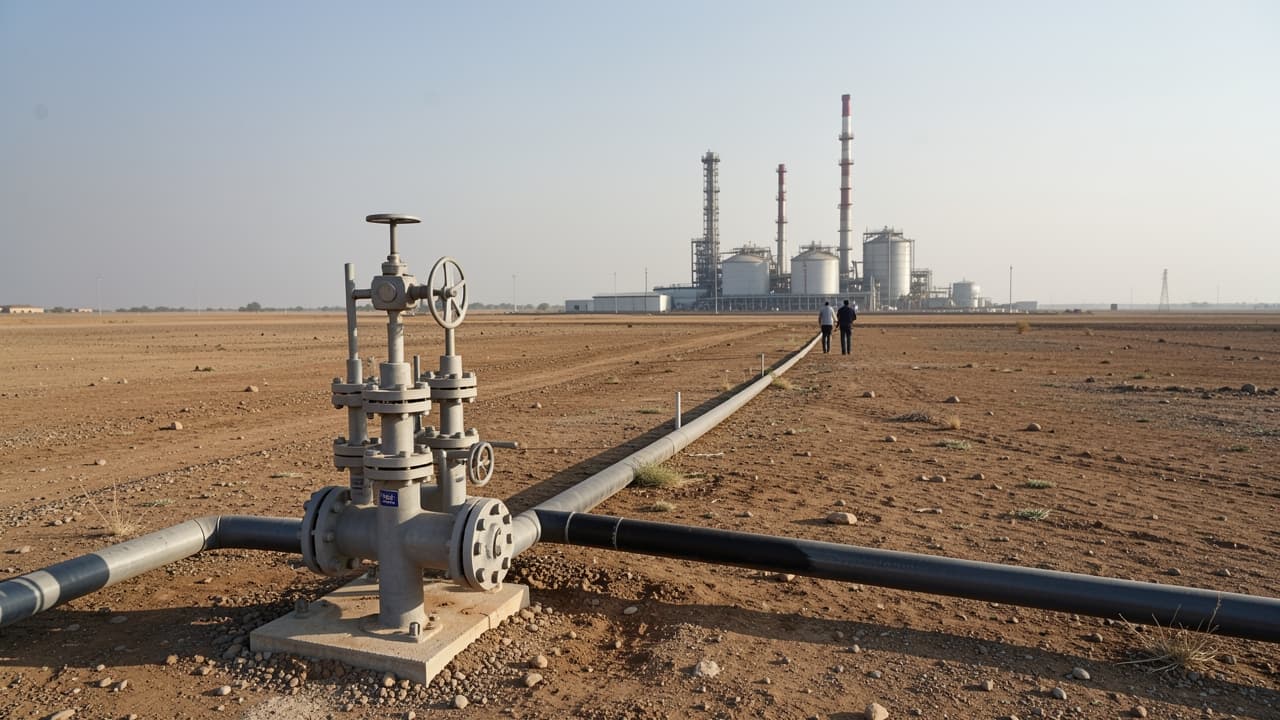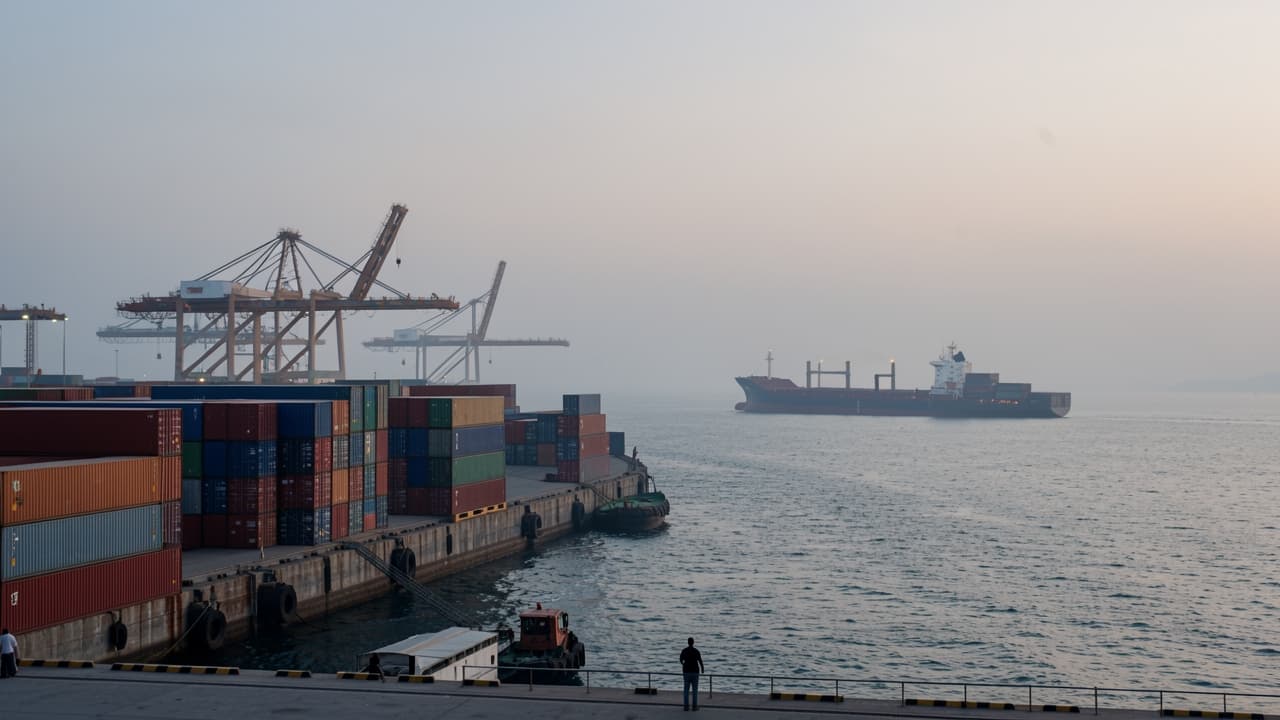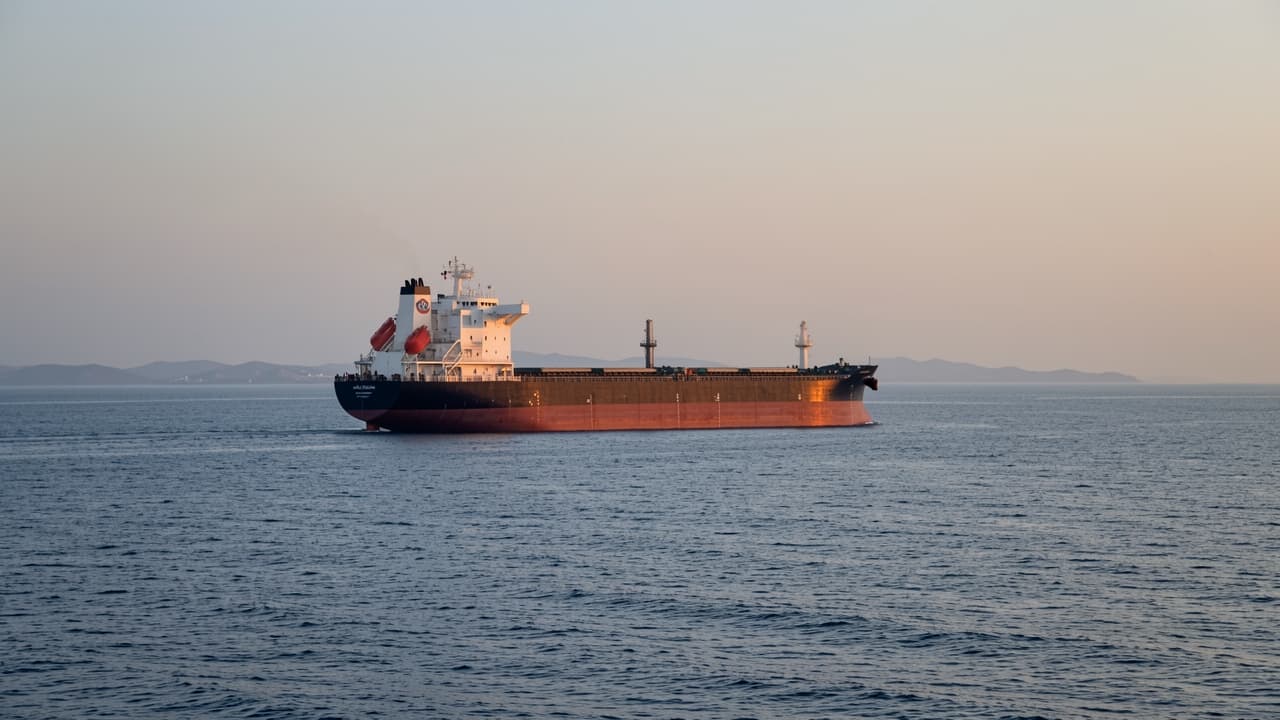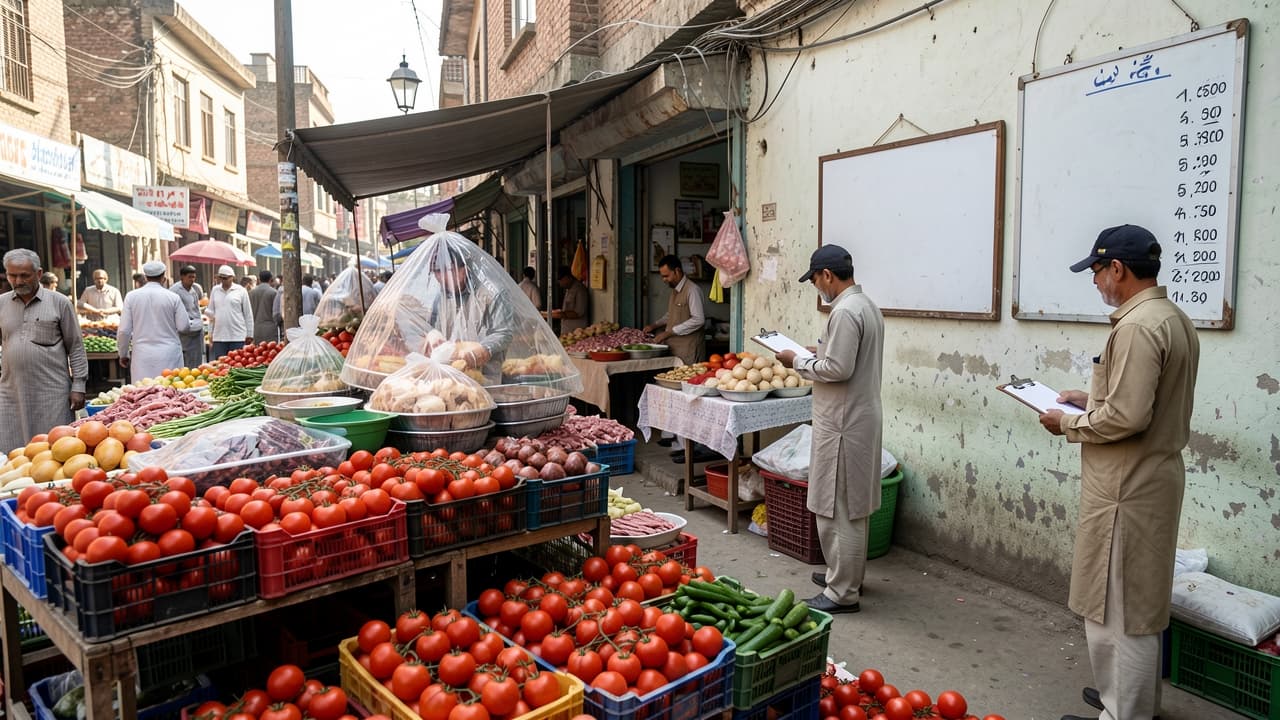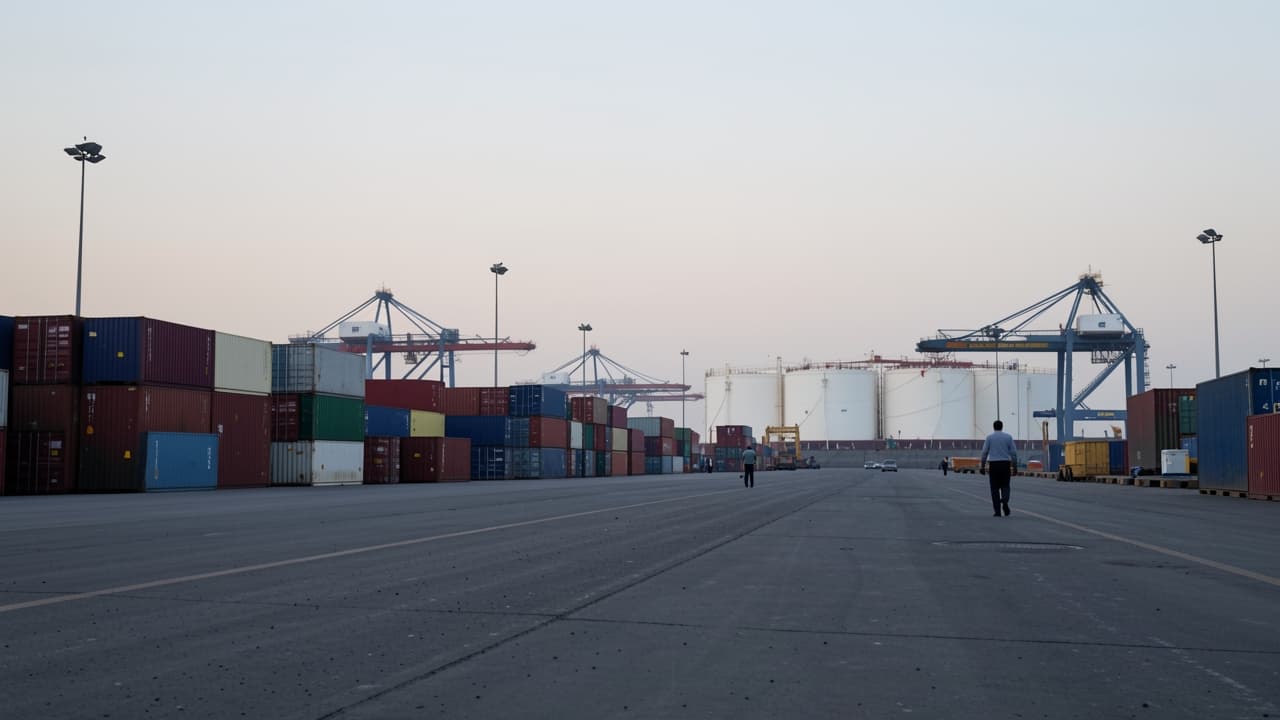
The International Monetary Fund projects that the combined economies of the Middle East, North Africa and Pakistan will shrink by 1.3 percent in 2026. The forecast appears in the fund's regional economic outlook, which was unveiled in Dubai on Thursday, 22 October. The IMF links the decline to the war that the United States and Israel have waged against Iran, which has disrupted energy output, shipping lanes, tourism and trade.
Forecast for 2026 and the 2027 rebound
The fund expects the region to recover in 2027, with output projected to grow 6.6 percent. Even so, the IMF said output in many affected economies is likely to remain below the levels it had projected before the war. Its baseline scenario assumes the conflict eases in early 2027 and that trade gradually returns to normal over the course of the year.
The 1.3 percent figure applies to the grouping as a whole, and Pakistan is part of that grouping. The outlook does not split the estimate by country in the material available, so readers should treat the number as a regional projection rather than a Pakistan-specific forecast.
Oil importers have held up better
The IMF said oil-exporting countries have faced heavier strain, because the conflict has disrupted their energy production and shipping. Oil-importing economies, by contrast, have shown greater resilience. The fund pointed to domestic demand, remittances from workers abroad, tourism receipts, relatively favourable financial conditions and policy measures designed to shield consumers from higher commodity prices.
Pakistan imports most of its oil, and remittances are a major source of foreign exchange for the country. These are widely known features of its economy, and they help explain why the IMF's broader point about importers matters to households here.
Risks the fund flagged
The IMF warned that the outlook carries exceptionally high uncertainty. Further disruption to energy production or trade routes could push energy prices higher, while tighter external financial conditions could add to pressure. The fund also pointed to possible shifts in investor views on productivity gains from artificial intelligence, along with higher interest rates and concerns about inflation and government finances. It urged policymakers to prioritise price stability.
Aasan alfaaz mein
IMF ke mutabiq Pakistan aur Middle East-North Africa ke mulkon ki mili julli maeeshat 2026 mein 1.3 feesad sikarne ka andaza hai, jis ki wajah Iran ki jang se energy, shipping aur tourism par pari chot hai. 2027 mein 6.6 feesad behtari ka tawaqqa hai, lekin jang se pehle wali satah tak jaldi wapas aana mushkil hai. Tel import karne wale mulkon ka haal kuch behtar hai, magar mehngai aur sood ki sharah ka khatra barqarar hai. Aam shehri ke liye iska matlab hai ke qeemton aur naukri ke mauqon par nazar rakhna zaroori hai.