The petrol price in Pakistan today will not rise after local refineries agreed to absorb an expected Rs15 per litre increase, Petroleum Minister Ali Pervaiz Malik said in Islamabad on Monday. Speaking with Information Minister Atta Tarar, he said the deal keeps the current pump rate in place while placing an extra burden of about Rs15 billion a month on the refineries.
Malik said the government was trying to limit the effect of higher fuel procurement costs, weighing international market conditions and Pakistan’s economic constraints, including commitments to the International Monetary Fund (IMF), the lender whose programme sets fiscal conditions for the country.
Why rates were under pressure
He said the petrol price approved before 31 October included an import premium of about $20 a barrel. Later Pakistan State Oil (PSO) tenders, he said, saw premiums climb to $25–$30 a barrel and higher. The government had sought cheaper procurement, but the regional situation had made imports more expensive.
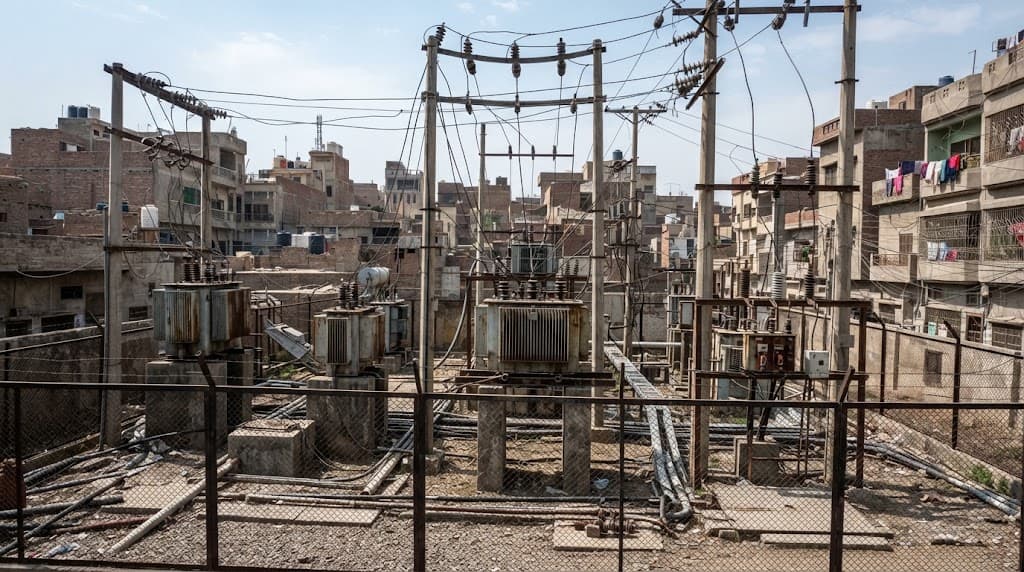
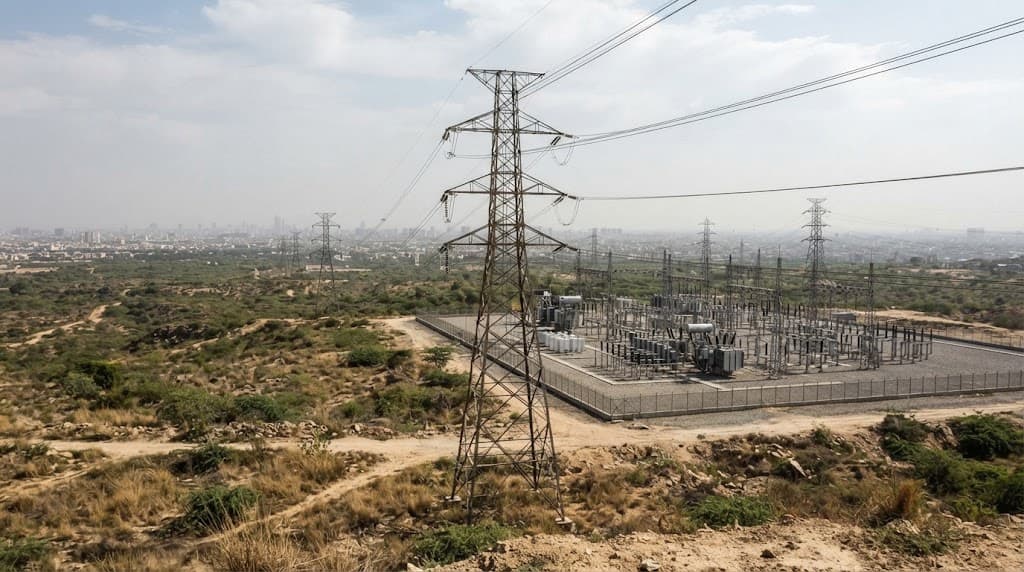
Roughly 30% of Pakistan’s petrol comes from local refineries and about 70% is imported, Malik said. Officials looked at intervening in the price of locally made petrol without creating rules that might discourage imports and risk shortages. After a request from Prime Minister Shehbaz Sharif, the refineries agreed to take on the expected Rs15 a litre rise so consumers would not face that increase at the pump.
Malik linked the step to an earlier diesel arrangement based on a crude-oil pricing formula. He thanked refineries for earlier help on diesel relief, for supplying aviation fuel for Hajj flights at pre-war rates after conflict began, and for providing JP-8 fuel to the Pakistan Air Force at pre-war prices until 30 June. The government, he said, had helped keep crude available so plants could raise output and earn more than in previous years.
Premiums, deregulation and possible cuts
The minister said a maximum petroleum premium of $20 a barrel had been set for local refineries, against about $5 a barrel before the crisis. He warned that the government would step in if any sector tried to take excessive profits while shifting costs to the public. Once conditions ease and petrol import premiums move back toward $15–$20 a barrel, he said, the government would aim to resume deregulation and promote competition for better service and cheaper fuel. Talks with refineries would continue.
Malik also indicated that petrol and diesel prices could fall if international oil prices keep declining, expressing hope of further consumer relief.
Subsidy scheme and public relief
Tarar said the prime minister had directed officials from the start to limit the public burden from higher fuel costs, including when a Rs15 a litre petrol rise was expected on Friday. He cited disruption linked to the Strait of Hormuz and Bab el-Mandeb, and said Pakistan’s main macroeconomic indicators had largely stayed stable compared with some other economies.
He described a fuel subsidy scheme under which registered motorcyclists get Rs500 a week, while owners of vehicles with engines up to 800cc can buy 10 litres every 10 days at a Rs100 per litre discount. The scheme has more than 15 million unique registrations and has delivered about Rs27 billion in relief so far, he said. Pumps are reimbursed the next day for subsidised sales to motorcyclists, rickshaw and Qingqi users, and small-engine car owners. It runs in all four provinces, Gilgit-Baltistan and Azad Jammu and Kashmir, with the IT Ministry, Petroleum Ministry, the Oil and Gas Regulatory Authority (Ogra, the fuel pricing regulator) and the State Bank of Pakistan involved. Tarar said the government plans to keep the scheme going.
Timeline: what has happened so far
- Before 31 October: Petrol pricing included an import premium of about $20 a barrel, Malik said.
- Later PSO tenders: Petrol import premiums rose to $25–$30 a barrel and higher.
- Until 30 June: Refineries supplied JP-8 to the Pakistan Air Force at pre-war prices, according to the minister.
- Friday (as cited by Tarar): A Rs15 per litre petrol increase had been expected.
- Monday: Malik and Tarar said local refineries would absorb that Rs15 rise so the petrol price in Pakistan today stays unchanged, at a cost of about Rs15 billion a month to the plants.
Aasan alfaaz mein
Petrol ki qeemat abhi nahi barhegi. Local refineries ne qareeban Rs15 litre ka izafa khud uthaya hai. Is se unhen mahine ke qareeban Rs15 billion ka bojh parega. Sarkar ke mutabiq, agar dunya mein oil sasta hota raha to petrol aur diesel aur saste ho sakte hain.