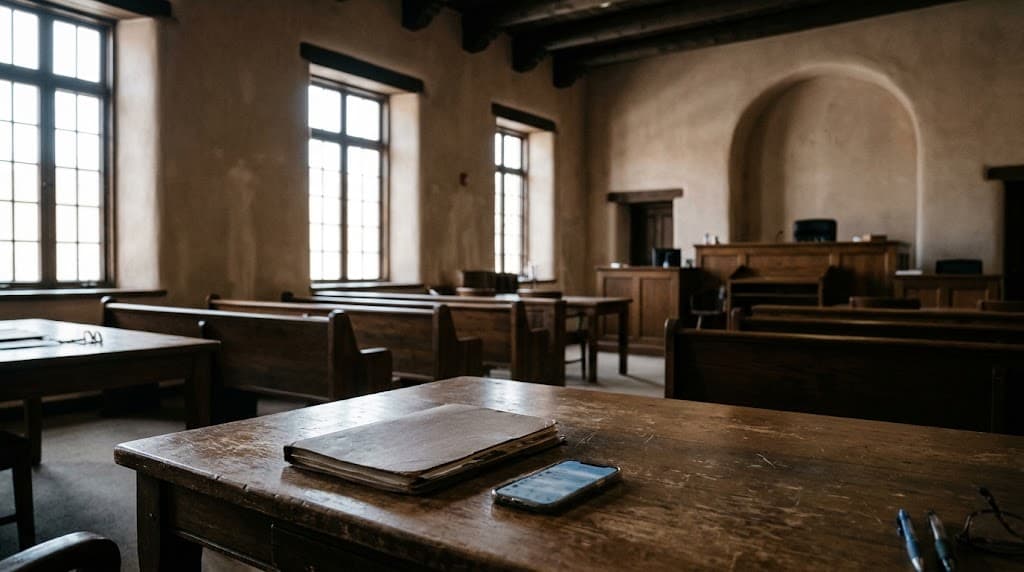
A judge in New Mexico has ordered Meta Platforms to pay $25 billion after a jury found the company misled consumers about how it handled their personal data. The order, issued on Wednesday, reduced a penalty that the judge had calculated at more than $219 billion under state law. The case grew out of the Cambridge Analytica affair, in which a political consulting firm that worked on Donald Trump's 2016 presidential campaign obtained personal information from Facebook users without their consent. The firm has since closed.
How the jury and judge reached the ruling
Jurors found on September 25 that 26 of 29 statements made by the company and its leadership on these issues were misleading. Based on the number of Facebook users or New Mexico residents who saw each statement, they said Meta had committed more than 43 million violations of the state's consumer protection laws. New Mexico Attorney General Raúl Torrez said the verdict was one of the largest, if not the largest, single-state verdict against the company in American history.
In his written order, Judge Francis Mathew said Meta's misconduct was willful and stretched over more than 11 years, from 2010 to 2021. He wrote that the wrongdoing went to the heart of the company's core business practices. He also said communications between senior executives, including Mark Zuckerberg, were designed to mislead the public. The state had accused Meta of misleading users in New Mexico about who could access their data and about how the platform handled hate speech and misinformation.
The lawsuit was filed in 2021, after it emerged that Cambridge Analytica had gained access to data from as many as 87 million Facebook users through a third-party app. Torrez said the ruling showed the state intends to protect its residents and consumers, calling it a clear warning to companies in the sector.
Penalty figure and Meta's response
State law allows a penalty of up to $5,000 per violation, and Torrez told reporters that all of the money must go to New Mexico's school system. At an October 1 hearing, the state's lawyer, Randi McGinn, asked the judge to award between $35 billion and $40 billion. Mathew instead settled on $25 billion, an amount that reports on the ruling describe as roughly equal to Meta's profits for each quarter.
In court filings, Meta had asked the judge to cap penalties at $3.45 billion, arguing that a higher figure could scare businesses out of the state. The company said the evidence showed it does not sell user data and that New Mexico had not proved any consumer was actually misled. A spokesperson for Meta did not immediately respond to a request for comment on the ruling.
Gil Luria, head of technology research at D.A. Davidson & Co, called the ruling costly. He said Meta, which he valued at nearly two trillion dollars, would likely keep appealing the cases, and he did not expect the current cases to have a material impact on the company's value.
Timeline: what has happened so far
- 2010 to 2021: The judge said Meta's misstatements about user data spanned this period.
- 2021: New Mexico's attorney general sued Meta after the Cambridge Analytica revelations.
- March: A Santa Fe jury found Meta misled users about young users' safety on Facebook, Instagram and WhatsApp, and ordered $375 million in civil penalties.
- After a second phase of that trial: A judge directed Meta to pay $567 million into a New Mexico fund for teen mental health.
- September 25: Jurors found 26 of 29 statements by the company and its leadership misleading.
- October 1: At a hearing, the state asked for between $35 billion and $40 billion.
- Wednesday: Judge Francis Mathew ordered Meta to pay $25 billion.
Aasan alfaaz mein
New Mexico ki ek adalat ne Meta ko 25 arab dollar jurmana dene ka hukm diya hai. Jury ne paaya ke company ne Facebook users ko data ke baare mein ghalat maloomat di. Judge ne pehle 219 arab dollar se zyada jurmana hisab kiya tha, lekin use kam karke 25 arab dollar kar diya. Pakistani users ke liye yeh US state ka case hai, is liye apni app permissions aur apna data share karte waqt ehtiyaat zaroor karein.