Pakistan has told the Afghan Taliban that progress on Taliban women's rights, an end to curbs on girls, and a real crackdown on militants launching attacks from Afghan ground are non-negotiable, and that Islamabad will defend itself if those threats continue.
Counsellor Muhammad Jawad Ajmal delivered that message on 29 October 2026 in New York during an interactive exchange with the United Nations special rapporteur on Afghanistan’s human rights record, in the General Assembly’s Third Committee. He said conditions for basic rights inside Afghanistan were worsening and urged other states to share the burden of aiding vulnerable Afghan refugees.
Freedoms for women and shared refugee duty
Ajmal argued that shutting women and girls out of ordinary liberties and dignity shows how far the authorities have stepped back from pledges made to the world. Those measures, he said, also clash with Muslim teaching, custom and core religious values—an argument that framed Taliban women's rights as both a legal and a faith-based concern.
He pointed to July 2026, when Pakistan hosted the Organisation of Islamic Cooperation’s ninth ministerial meeting on women in Islamabad. That gathering adopted the Islamabad Declaration, which flagged worry about limits placed on Afghan females. For decades, he added, Pakistan has sheltered vast numbers of Afghans seeking safety, often with limited help from abroad, and still assists vulnerable arrivals within its means—yet other countries must do more.
Militancy across the border
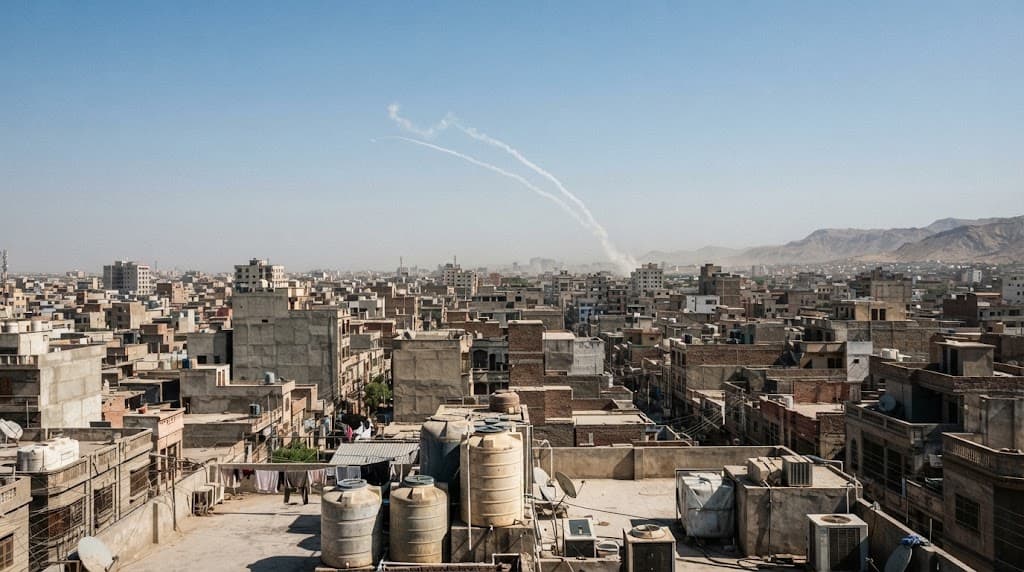
Militant violence, Ajmal said, sits at the centre of Afghanistan’s troubles. He voiced deep alarm at groups operating from Afghan ground, naming Tehreek-e-Taliban Pakistan (TTP), the Balochistan Liberation Army (BLA), the Majeed Brigade, Al-Qaeda, ISIL-K, ETIM and allied factions. He alleged bonds between the Taliban and those outfits, and said outside actors back proxy elements that hit Pakistan and other neighbours. Kabul’s refusal to publicly condemn the groups, he maintained, leaves open serious questions about collusion.
Violence has risen sharply in the Afghan-border provinces of Khyber Pakhtunkhwa and Balochistan since the Taliban regained control in 2021. Over the past three years alone, Ajmal stated, Afghanistan-origin attacks had killed more than 4,700 Pakistani people. On 16 March, he said, Pakistani forces struck selected military sites and militant logistics hubs—including stores for drones and munitions that the TTP reportedly used against civilians. Separate official accounts that day described precision airstrikes under Operation Ghazab lil-Haq against military installations in Kabul and Nangarhar; Information Minister Attaullah Tarar said the armed forces had carried those strikes out successfully.
Islamabad, Ajmal stressed, will not stand idle if assaults continue and reserves the option of lawful self-defence to protect its people and security. He again urged the Taliban to keep international pledges and restated Pakistan’s wish for a stable Afghanistan at peace with its neighbours.
Timeline: what has happened so far
- 2021: After the Taliban returned to power, Pakistan recorded a sharp rise in militant incidents in Balochistan and Khyber Pakhtunkhwa.
- 16 March: Pakistani forces struck military and militant support sites in Kabul and Nangarhar under Operation Ghazab lil-Haq; Ajmal later said the targets included drone and ammunition stores linked to TTP attacks on civilians.
- July 2026: Islamabad hosted the OIC’s ninth ministerial conference on women; the Islamabad Declaration voiced concern over curbs on Afghan women and girls.
- 29 October 2026: Ajmal pressed Taliban women's rights, refugee burden-sharing and action against Afghan-based militants at the UN dialogue in New York.
Aasan alfaaz mein
Pakistan ne UN mein kaha ke Afghan Taliban khawateen aur larkiyon par pabandiyan hatayein. Saath hi Afghan zameen se chalney wali dehshatgardi band karni hogi. Envoy ne bataya ke teen saal mein 4,700 se zyada Pakistani is tarah ke hamlon mein jaan se gaye. Agar khatra jari raha to Pakistan apni hifazat ka haq istemal kar sakta hai.