Omen AI folds Aquatic Labs into one cooling-water sensor
Omen AI is buying Aquatic Labs for $16 million in cash and stock, merging two young firms that build real-time sensors for the water and cooling fluids that keep data-centre chips from overheating. The deal follows Omen’s $31 million Series A fundraising in June and brings Aquatic Labs’ alkalinity tests together with Omen’s elemental analysis under one product roadmap.
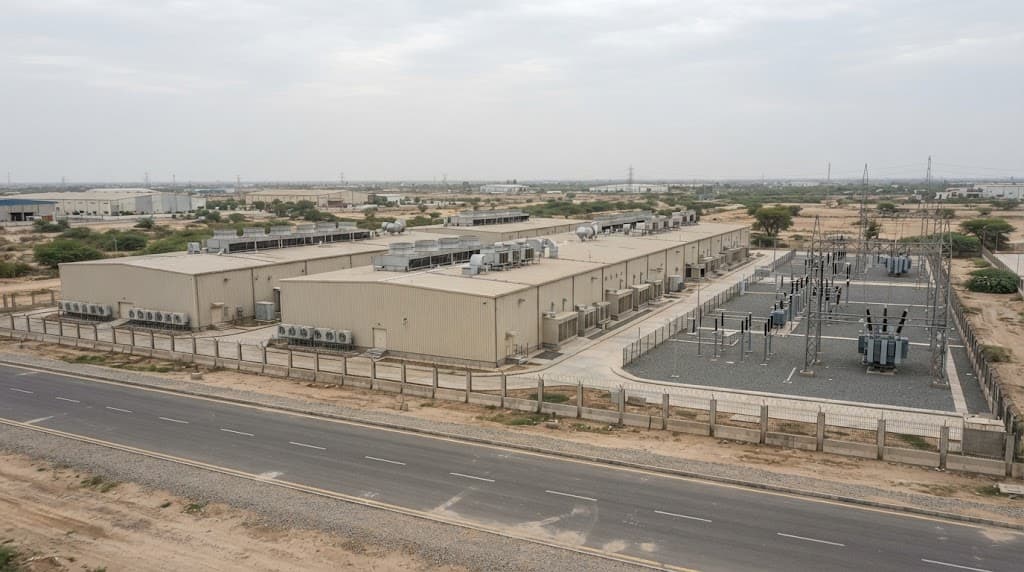
US data centres already draw an estimated 17 to 19 billion gallons of water a year to cool processors, a figure the Water Foundation says could triple within five years. That volume is costly for operators and politically sensitive for investors funding large AI build-outs. Today, checking whether cooling fluid is still safe often means shipping samples to a lab and waiting days for results.
Why the two sensors fit together
Omen AI, founded in 2024, has been developing sensors meant to flag problems in place—failing valves, or bacterial growth that could choke flow—without the multi-day wait. Aquatic Labs took a complementary path: its hardware focuses on alkalinity, while Omen’s looks for elements in the water. An investor in filtration introduced Omen founder Zach Laberge to Aquatic Labs chief executive Allan Adams, and the companies concluded that one device carrying both readings would give operators a fuller view of the fluid.
Adams, who will become chief science officer, has described the merge as creating a “much richer picture of the water and the fluid,” with both teams chasing the same goal of automating slow, manual checks. The combined groups are integrating the technologies and expect a market-ready sensor early next year.
The founders come from different routes. Laberge dropped out of high school to build fluid-analysis tools for large construction machines that rely on hydraulics. Adams, a physicist, spent years on advanced ocean sensing as an MIT professor and Woods Hole Oceanographic Institution researcher before launching his company.
Uptime, water reuse, and near-term targets
For data-centre operators, the commercial pitch is uptime as much as conservation. When cooling chemistry drifts, sites often dump the water rather than risk damage to expensive hardware, then pause work until the system is restored. Continuous monitoring is meant to stretch the life of the same fluid and cut the cost of those clean-outs.
Laberge said Omen’s first sensors should be watching chips that draw 250 to 300 megawatts of power by the end of this year—capacity he valued at roughly $5 to $7 billion—with an aim of covering the equivalent of 1 gigawatt of chips by the end of 2027. Adams has also argued the same measurement habits matter beyond the campus fence: water that enters a data centre is later released into municipal systems, and he says that cycle should be as safe and responsible as possible, which requires measuring what is happening.
Some investors have grown wary of AI infrastructure spending that was once projected as high as $4 trillion by 2030, and hyperscaler shares have slipped in recent sessions. Laberge said Omen is focused on centres already built or financed about a year ago, so near-term sentiment swings matter less to its order book. Even if the market were cut in half, he argued, it would still be enormous.
Aasan alfaaz mein
Omen AI ne Aquatic Labs ko 16 million dollar mein kharid liya hai. Dono companies data centre ke cooling paani ke liye real-time sensors banati hain. Ab ek hi sensor zyada cheezein measure karega, taake paani zaya kam ho aur machines band na padain. Pakistani readers ke liye yeh is liye zaroori hai ke AI aur data centres ka bojh paani par barhta ja raha hai, aur behtar pehchan is masle ko kam kar sakti hai.